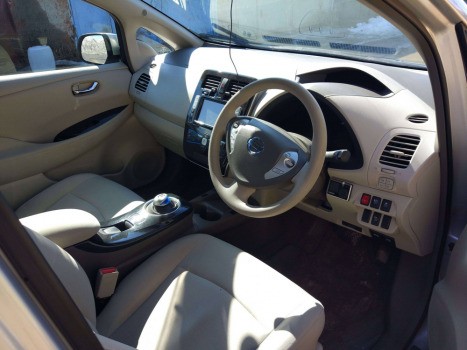
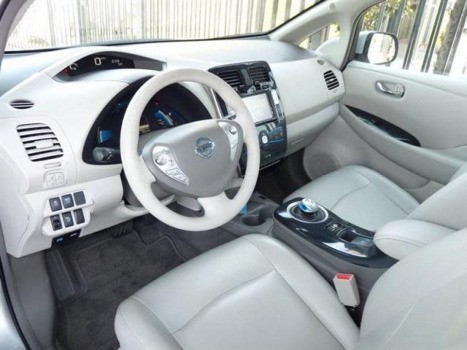
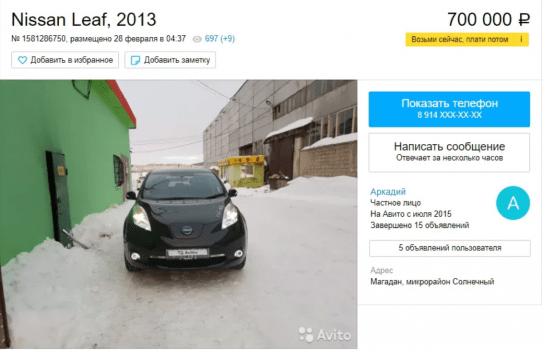
So, SEVEN HUNDRED THOUSAND rubles for a Nissan Leaf. Is it a good deal? Let’s dive in. First, we need to talk about something crucial: right-hand drive versus left-hand drive. This is HUGE in Russia, and it significantly impacts the price and availability of used Leafs. Right-hand drive Leafs are often imported, which can mean higher import costs and potentially more difficulty finding parts. Left-hand drive models, if you can find them, are generally going to be easier to maintain and potentially cheaper to buy, but they’re less common. Think carefully about which one you’d prefer and how that affects your budget and the potential hassle of repairs. It’s a major factor at this price point.
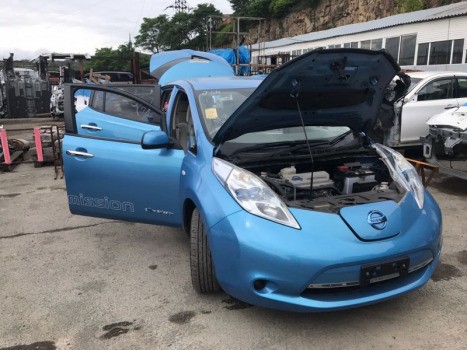
Next, let’s look at the body. For SEVEN HUNDRED THOUSAND rubles, you’re likely looking at a Leaf that’s seen some use. Thoroughly inspect the body for any signs of damage – dents, scratches, rust. Pay close attention to areas prone to damage like the bumpers, wheel arches, and lower panels. Check the paintwork for consistency. Uneven paint could indicate previous repairs, which might be a red flag. Don’t just look at the exterior; open all the doors and check for any signs of wear and tear inside. A well-maintained Leaf will show minimal wear, but at this price, you should expect some level of cosmetic imperfections. Remember, you’re buying a used car, not a brand-new one.
Now, let’s talk about the mechanics and maintenance. Electric cars are generally simpler than gasoline cars, but that doesn’t mean they’re maintenance-free. You’ll still need to have regular checks on things like the brakes, tires, and suspension. With a used Leaf, you should get a pre-purchase inspection from a qualified mechanic specializing in electric vehicles. This is absolutely crucial. They can check the battery health, the motor, and other critical components. This inspection could save you from buying a car with hidden problems that could cost you a fortune down the line. Don’t skip this step; it’s an investment that pays off. Also, research the availability of parts and service centers in your area that are familiar with the Nissan Leaf. This is especially important if you’re dealing with a right-hand drive import.
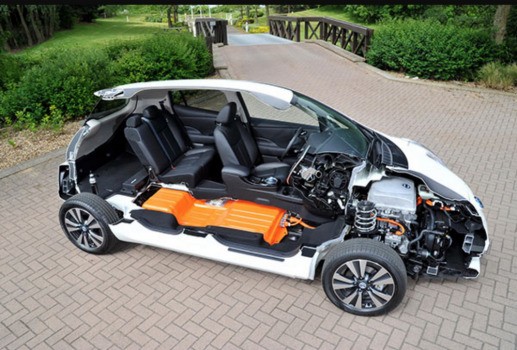
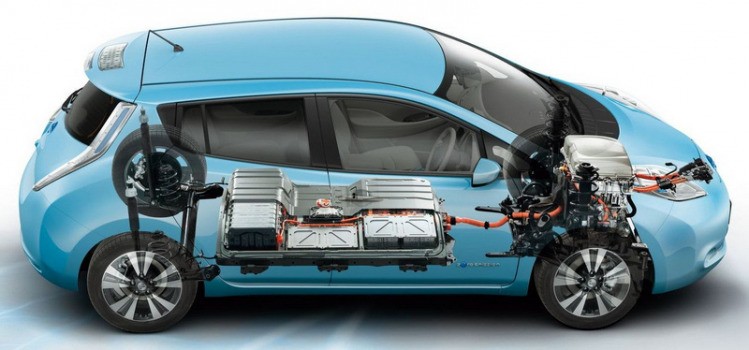
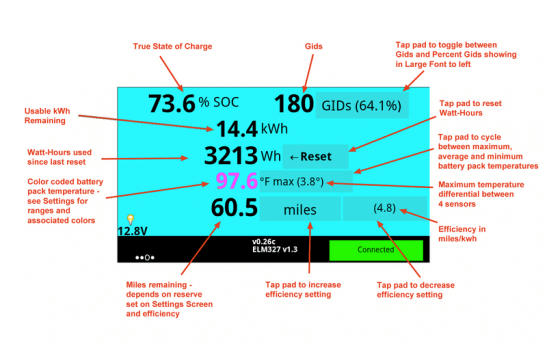
Finally, and arguably the most important aspect, is the battery. The battery is the heart of an electric vehicle, and its condition directly impacts the car’s range and overall performance. A used Leaf’s battery health is paramount. You need to find out the battery’s state of health (SOH). A lower SOH means reduced range and potentially a shorter lifespan. Ask the seller for the battery’s SOH report, if available. If they can’t provide it, that’s a major red flag. A good mechanic during the pre-purchase inspection will also be able to assess the battery’s health. Remember, battery replacement can be incredibly expensive, so a healthy battery is essential, especially at SEVEN HUNDRED THOUSAND rubles. Don’t underestimate the importance of this factor. A significant reduction in range due to battery degradation could make the car less practical for your needs.
Okay, so you’re thinking about buying a Nissan Leaf for SEVEN HUNDRED THOUSAND rubles. That’s a big decision, and there’s a lot to consider. Let’s dive in, starting with something crucial: avoiding scams.
When buying a used car, especially an electric one like the Leaf, fraud is a real risk. You need to be incredibly vigilant. Watch out for sellers who are overly vague about the car’s history, or who pressure you into a quick sale. They might try to hide accident damage, or worse, tamper with the odometer to make the car seem less worn than it actually is. Always get a full vehicle history report – there are services that can provide this information, and it’s worth the investment. Don’t just rely on what the seller tells you. Independent verification is key. Also, be wary of deals that seem too good to be true. If the price is significantly lower than comparable Leafs, there’s probably a reason.
Next, let’s talk about inspecting the car itself. This is where you really need to be thorough. Don’t just glance over it; take your time. Check the bodywork for any signs of damage – dents, scratches, rust. Pay close attention to the paintwork – inconsistencies could indicate a poorly repaired accident. Open and close all the doors and windows to check for smooth operation. Test all the lights, wipers, and other electrical components. Don’t forget to check the tires – are they worn unevenly? This could point to suspension problems. And critically, examine the battery. Look for any signs of damage or leaks. A pre-purchase inspection by a qualified mechanic specializing in electric vehicles is absolutely essential. It’s an investment that could save you thousands in the long run.
Now, let’s talk specifically about the Nissan Leaf itself. For SEVEN HUNDRED THOUSAND rubles, you’re likely looking at an older model. This means you need to be aware of potential issues common to older Leafs. These can include battery degradation – the battery’s capacity to hold a charge will decrease over time. This will affect your range. Research the specific year and model you’re considering to understand the typical battery degradation rate. Also, check the charging port and charging system thoroughly. Make sure it’s functioning correctly and isn’t showing any signs of wear and tear. Look for any error messages on the dashboard. And finally, consider the overall condition of the interior. Is it well-maintained? Are there any signs of excessive wear?
Charging a Nissan Leaf is a key aspect of ownership. You’ll need access to a charging point, whether that’s at home or through public charging stations. Research the availability of charging stations in your area. Charging times vary depending on the charger’s power output. A home charger will typically provide a slower but more convenient charging experience, while fast chargers at public stations can significantly reduce charging time, but they might be more expensive to use. Understand the charging infrastructure before you buy the car.
- Читайте также:
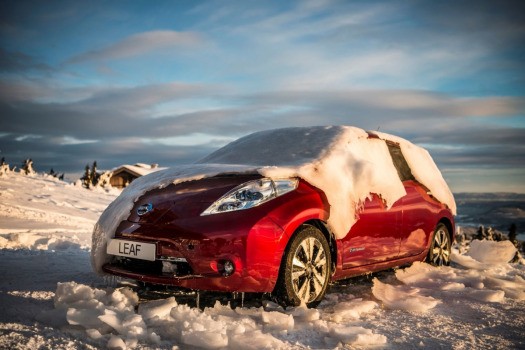
Finally, let’s talk about winter operation. Cold weather significantly impacts the range of electric vehicles. The battery’s performance decreases in cold temperatures, meaning you’ll get less range than in warmer weather. You might need to adjust your driving habits and pre-condition the car’s cabin before driving to minimize the impact of the cold on the battery. Consider the climate where you live and how this will affect your daily driving. If you live in an area with particularly harsh winters, you might need to factor in additional charging stops or consider supplementary heating options. This is a crucial factor to consider when evaluating the practicality of a Leaf in your specific circumstances.