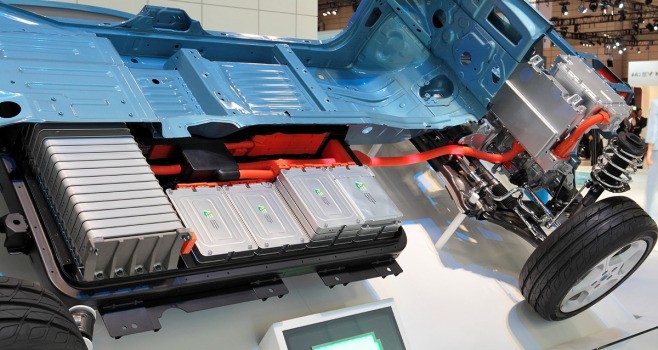
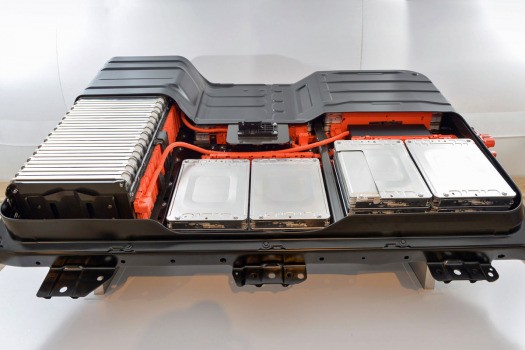
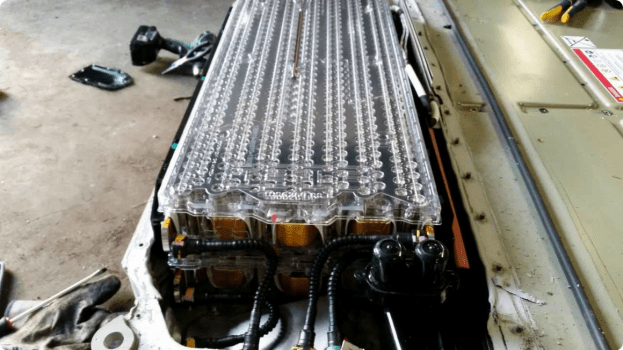
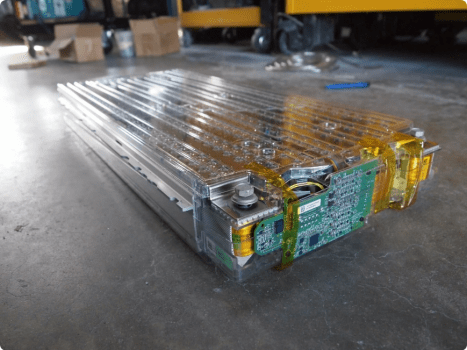
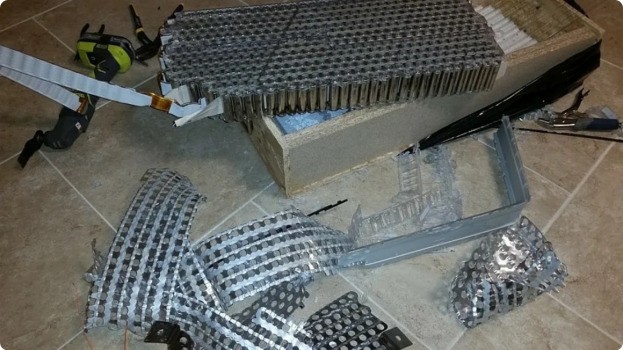
So, let’s dive into the world of electric car batteries. First off, can you actually repair an electric car battery? The short answer is… it’s complicated. Unlike a simple car battery you might find in a gasoline-powered vehicle, EV batteries are incredibly complex systems. They’re made up of hundreds, sometimes thousands, of individual battery cells all working together. If ONE cell fails, it can impact the performance of the entire battery pack. While some minor repairs might be possible, like replacing a single faulty cell, it’s often not economically viable. The labor involved in diagnosing the problem and accessing the individual cells within the massive battery pack is incredibly intensive. Plus, the cost of replacing even a single cell can be surprisingly high. In most cases, replacing the entire battery pack is a more practical and cost-effective solution. Think of it like this: if you had a huge LEGO castle and ONE tiny brick broke, would you try to find that exact brick and replace it, or would you just rebuild a section? For EV batteries, rebuilding the whole thing is usually the better option.
Now, let’s talk about the elephant in the room: cost. How much does a new battery pack actually cost? Well, that’s a HUGE range. It depends heavily on the make and model of your electric vehicle. We’re talking anywhere from TEN THOUSAND DOLLARS to FIFTY THOUSAND DOLLARS or even MORE for a complete replacement. Factors like battery capacity (how much energy it can store), the complexity of the battery pack’s design, and the specific manufacturer all play a significant role in the final price. It’s definitely a substantial investment. And remember, this is just the cost of the battery itself; you’ll also need to factor in the labor costs for installation, which can add several THOUSAND DOLLARS to the total bill. It’s always a good idea to get multiple quotes from different repair shops specializing in electric vehicles to get a better understanding of the price range.
Where can you actually buy a replacement battery? This isn’t like buying a new set of tires. You won’t just find them at your local auto parts store. Most often, you’ll need to go through the manufacturer of your electric vehicle or an authorized dealer. They’re the ones who have the proper parts and the expertise to handle the installation. Some third-party companies are emerging that specialize in EV battery replacements and repairs, but it’s crucial to do your research and make sure they’re reputable and experienced. Buying a used battery is also an option, but proceed with caution. You need to ensure it’s been properly tested and comes with a warranty to avoid further complications down the line. It’s a significant purchase, so you want to make sure you’re getting a reliable product.
Finally, let’s discuss what happens at the end of an EV battery’s life. You can’t just throw it in the trash! These batteries contain hazardous materials that need to be handled responsibly. Most manufacturers and governments have programs in place for recycling or responsible disposal of EV batteries. Check with your vehicle’s manufacturer to find out their specific recycling program. They’ll usually provide instructions on how to surrender your old battery and arrange for its safe removal and recycling. The process often involves taking the battery to a designated collection point or having it picked up by a specialized recycling company. What happens to the battery after you surrender it? Well, the recycling process aims to recover valuable materials like lithium, cobalt, and nickel, which can then be used in the manufacturing of new batteries or other products. It’s a crucial step in reducing environmental impact and promoting sustainable practices in the electric vehicle industry. So, don’t just toss it – recycle responsibly!
So, you need a new battery? Let’s talk about where you can find one. Finding a replacement battery really depends on what kind of battery we’re talking about. For your phone, laptop, or tablet, you’ve got a few options. You can often buy them directly from the manufacturer’s website. This is usually a good idea for quality and warranty reasons, but it might be a little more expensive. Alternatively, you can check out major electronics retailers – places like Best Buy, Amazon, or your local electronics store. They often carry a wide variety of batteries for popular devices, and you can usually compare prices easily. For smaller batteries, like those for your remote control or toys, you’ll find them at most drugstores, supermarkets, and hardware stores. Don’t forget about online marketplaces like eBay or Amazon – you can often find great deals there, but always check seller ratings to make sure you’re getting a quality product. And remember to always double-check the battery specifications to make sure it’s the right fit for your device! Getting the wrong one can be a real headache.
Now, let’s talk about what happens to your battery when it’s reached the end of its life. This is super important, because batteries contain materials that can be harmful to the environment if not disposed of properly. First, you absolutely should NOT throw your old battery in the regular trash. Many municipalities have specific recycling programs for batteries. Check your local government’s website – they usually have a dedicated page outlining the proper disposal methods. Often, you can drop off your old batteries at designated collection points, like community recycling centers or even some electronics stores. Some retailers even have battery recycling programs where you can bring in your old batteries when you buy a new one. It’s worth checking with your local stores to see if they participate. What happens to those batteries once they’re collected? Well, they’re sent to specialized recycling facilities. There, the valuable materials inside – things like metals and chemicals – are recovered and reused. This helps conserve resources and reduces the environmental impact of battery production. It’s a much better option than letting those valuable materials end up in a landfill. So, please, do your part and recycle your old batteries responsibly. It’s a small effort that makes a big difference.
And finally, let’s touch on some related news. There’s been a lot of talk lately about the increasing demand for batteries, especially with the growth of electric vehicles. This has led to concerns about the sourcing of raw materials and the environmental impact of battery production. Many companies are investing heavily in research and development to create more sustainable and environmentally friendly batteries. This includes exploring new materials, improving recycling processes, and developing more efficient manufacturing techniques. It’s a complex issue, but it’s encouraging to see so much focus on making the battery industry more sustainable. Staying informed about these developments is important, as it helps us make more conscious choices as consumers and advocate for responsible practices within the industry. Keep an eye out for news and updates on battery technology and sustainability initiatives – it’s a rapidly evolving field!