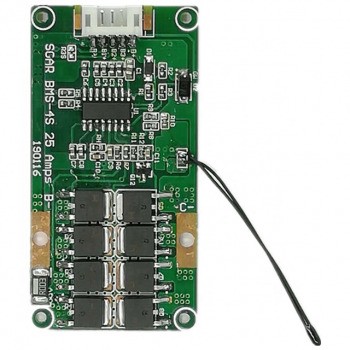
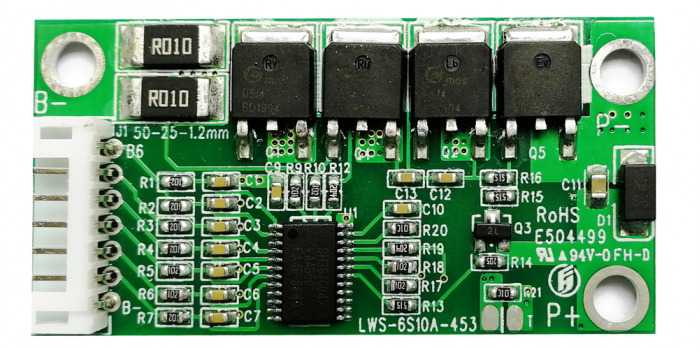
So, what exactly IS a Battery Management System, or BMS? Think of it as the brain of your battery pack. It’s not just a single component, but a sophisticated collection of electronics that monitor and control the performance and safety of your battery. It’s the unsung hero ensuring your batteries are working efficiently and safely, whether that’s in your electric car, your power tool, or even your smartphone. Without a BMS, you’d be dealing with a potentially dangerous and unreliable power source.
Now, what’s the basic purpose of a BMS? Simply put, it’s to protect your battery and maximize its lifespan. It does this by constantly monitoring various parameters and taking action to prevent damage or failure. Imagine a BMS as a highly skilled guardian, constantly watching over your battery, ensuring it’s operating within safe and optimal parameters. This is crucial because batteries, especially lithium-ion batteries, are complex and can be prone to issues if not properly managed.
Let’s dive into the specific functions of a BMS. First, it monitors the voltage of each individual cell within the battery pack. This is incredibly important because each cell has its own voltage, and imbalances can lead to premature aging or even dangerous situations. The BMS constantly balances these cell voltages, ensuring they remain within a safe operating range. Think of it like a meticulous conductor, ensuring every instrument in the orchestra (each battery cell) plays in harmony. Next, it monitors the current flowing into and out of the battery. This helps prevent overcharging, which can generate excessive heat and damage the battery, and also prevents over-discharging, which can permanently reduce the battery’s capacity. We’re talking about precise control, ensuring the battery neither receives too much power nor is drained completely.
Another critical function is temperature monitoring. Lithium-ion batteries generate heat during charging and discharging. Excessive heat can significantly reduce the battery’s lifespan and even pose a fire hazard. The BMS constantly monitors the temperature of the battery pack and takes action to keep it within a safe range. This might involve reducing the charging or discharging rate, or even shutting down the battery completely if temperatures get too high. Think of it as a built-in thermostat, protecting the battery from overheating.
Beyond these core functions, many BMS systems also include features like state-of-charge (SOC) estimation. This means the BMS constantly calculates how much charge remains in the battery, providing accurate information to the user or the device it’s powering. It also often includes state-of-health (SOH) monitoring, which assesses the overall health and remaining lifespan of the battery. This allows for proactive maintenance and replacement planning, preventing unexpected failures. Finally, many BMS systems incorporate sophisticated communication protocols, allowing them to communicate with other systems in the device, providing real-time data and enabling advanced control strategies. This ensures seamless integration and optimal performance of the entire system. So, the next time you use a device with a battery, remember the silent guardian working tirelessly to keep it safe and efficient – your BMS.
So, let’s dive into the fascinating world of Battery Management Systems, or BMS as they’re commonly known. Think of your battery pack, whether it’s in your electric car, your power tool, or even your smartphone – it’s a complex system of individual cells working together. A BMS is essentially the brain of that operation, the unsung hero keeping everything running smoothly and safely. Its primary function is to monitor and control the charging and discharging of each individual cell within the battery pack. This is crucial because each cell has its own unique characteristics and can behave differently under various conditions. Without a BMS, you risk overcharging some cells while others remain undercharged, leading to reduced battery life, performance issues, and even dangerous situations like overheating or fire. A BMS prevents all of that.
Now, let’s get into some of the more technical nuances. One key function is cell balancing. Imagine you have a battery pack made up of, say, EIGHT cells. If one cell charges slightly faster than the others, it could reach its maximum voltage before the rest, potentially damaging it. The BMS constantly monitors the voltage of each cell and actively balances them, ensuring they all charge and discharge at a similar rate. This significantly extends the lifespan of the entire battery pack. Another important aspect is temperature monitoring. Batteries generate heat during operation, and excessive heat can severely degrade performance and even lead to thermal runaway – a dangerous situation where the battery overheats and potentially catches fire. A high-quality BMS incorporates temperature sensors to monitor the temperature of individual cells and the entire pack. If temperatures get too high, the BMS can take action, such as reducing the charging or discharging rate, or even shutting down the system entirely to prevent damage. Furthermore, a BMS also monitors the current flowing into and out of the battery, preventing overcurrent situations that could damage the cells or the BMS itself. It also tracks the overall state of charge (SOC) and state of health (SOH) of the battery, providing valuable information for users and maintenance personnel. These are just some of the key technical aspects, but it gives you a good idea of the complexity and importance of a BMS.
Choosing a quality BMS is crucial for the longevity and safety of your battery system. So how do you identify a good one? Well, first, look for a BMS with a reputable manufacturer. Do your research, read reviews, and look for companies with a proven track record. Don’t just go for the cheapest option; a poorly designed or manufactured BMS can actually cost you more in the long run through battery damage or even safety hazards. Secondly, pay close attention to the specifications. Make sure the BMS is rated for the voltage and capacity of your battery pack. Using a BMS that’s not properly matched can lead to serious problems. Thirdly, consider the features. A good BMS will have robust cell balancing, accurate temperature monitoring, and effective protection mechanisms against overcharge, over-discharge, overcurrent, and short circuits. Finally, and this is a really important point, look for certifications. Some BMS manufacturers have their products tested and certified by independent organizations, providing an extra layer of assurance regarding safety and performance. Talking to experienced users or professionals in the field can also provide invaluable insights and recommendations. They can often point you towards reliable brands and models based on their own experiences.
And finally, let’s touch on some related news and developments. The BMS market is constantly evolving, with new technologies and advancements emerging all the time. We’re seeing improvements in cell balancing algorithms, more sophisticated temperature monitoring systems, and the integration of BMS with other battery management technologies, such as predictive maintenance systems. These advancements are leading to longer-lasting, safer, and more efficient battery systems across various applications. Keeping up with these developments is important, as it allows you to make informed decisions when choosing a BMS for your specific needs. The industry is also focusing on improving the efficiency of BMS themselves, reducing their energy consumption and improving overall system performance. This is particularly important for applications where energy efficiency is paramount, such as electric vehicles.
- Читайте также: