So, you’re ready to charge your electric car, but maybe you’re a little unsure about these electric refueling terminals, or «gas stations» as some people call them. Let’s dive in and demystify the process!
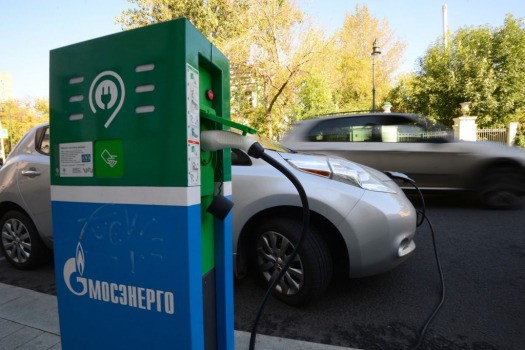
First off, what exactly is an electric refueling terminal? Think of it as the electric car equivalent of a traditional gas station. Instead of dispensing gasoline, these stations offer various charging connectors and power levels to suit different electric vehicles. You’ll find a range of options, from smaller, slower chargers perfect for overnight topping up, all the way to powerful fast chargers that can add a significant amount of range in just a short time – maybe THIRTY minutes or less, depending on your car and the charger’s capabilities. These terminals often have multiple charging points, sometimes TEN or more, allowing several cars to charge simultaneously. You might also find amenities like restrooms, coffee shops, or even small convenience stores located nearby, making your charging stop more comfortable. The location of these terminals is also strategically planned, often situated along major highways or in convenient urban locations to make charging on the go as easy as possible. They’re becoming increasingly common, so you’re likely to find one near you, or at least along your route.
Now, let’s talk about how to actually use one of these refueling terminals. The process is generally straightforward, but there are a few key steps. First, you’ll need to locate a compatible charging connector for your electric vehicle. Each car has a specific type of connector, so make sure you find the right one. The charging port on your car will usually be clearly marked, and the terminals themselves are usually well-labeled to indicate which connector type each station offers. Once you’ve found the right connector, you’ll need to plug it into your car’s charging port. This is usually a simple plug-and-play process, but some stations might require you to unlock the connector first. Check your car’s manual if you’re unsure. After plugging in, you’ll need to initiate the charging process. This usually involves using a payment method, either through a mobile app, a credit card reader at the station, or sometimes even through a RFID card. The specific method will vary depending on the network and the individual charging station. Once the payment is processed, the charging process will begin. You’ll typically see a display on the charging station itself that shows the charging progress, the amount of energy being delivered, and the estimated time until completion. Some stations even send you notifications to your phone. When charging is complete, simply unplug the connector from your car and you’re good to go! Remember to always check the charging station’s instructions and follow any specific guidelines provided. Each network and station might have slightly different procedures, so paying attention to the on-site information is crucial. And finally, remember to be mindful of other drivers waiting to charge – be respectful of their time and make sure to unplug promptly once your car is fully charged.
So, you’re wondering how much it costs to fill up your electric car at one of those electric gas stations, huh? It’s a great question, and honestly, there’s no single answer. The cost varies wildly depending on several factors. First, you have the location. Charging in a rural area might be cheaper than in a bustling city center, simply due to lower operating costs for the station itself. Think of it like gas stations – the ones on busy highways often charge a bit more.
Then there’s the type of charger. Level TWO chargers, which are slower but more common, usually charge by the kilowatt-hour (kWh). Think of a kWh as a unit of electricity, similar to a gallon of gas. You’ll see prices quoted in dollars per kWh, and this can range from around FIFTEEN cents to over FIFTY cents per kWh, depending on the location and the time of day. Some stations even offer time-of-use pricing, where it’s cheaper to charge during off-peak hours. Then you have the DC fast chargers, which are much quicker but also generally more expensive per kWh. You might be looking at prices ranging from TWENTY-FIVE cents to over SEVENTY-FIVE cents per kWh, sometimes even more.
And it’s not just the price per kWh; you also have to consider the size of your car’s battery. A smaller car will obviously take less electricity to «fill up» than a larger SUV or truck. A small car might use FIFTY kWh to fully charge, while a larger vehicle could easily need TWO HUNDRED kWh or more. So, even if the price per kWh is the same, the total cost will be significantly different.
Finally, some charging stations have different payment methods. Some might use a subscription service, where you pay a monthly fee for access to their network. Others might charge you directly per kWh, using a credit card or a mobile payment app. It’s always a good idea to check the station’s website or app beforehand to understand their pricing structure and payment options. You don’t want any surprises when you’re ready to leave!
Now, let’s touch on some related news. The electric vehicle charging infrastructure is rapidly expanding, which is great news for EV owners. However, this expansion isn’t uniform across the country, or even within a single city. There are ongoing debates about the best way to regulate pricing, ensure fair competition, and address concerns about accessibility, especially in underserved communities. You’ll often see news stories discussing government incentives for building more charging stations, as well as discussions about the environmental impact of electricity generation and its role in the overall carbon footprint of electric vehicles. Keeping up with these news stories can help you make informed decisions about where and when to charge your car, and even influence your choice of EV in the future. It’s a constantly evolving landscape, so staying informed is key.

- Читайте также: