So, you’re thinking about building your own electric car? That’s ambitious! Let’s dive into why people even attempt this crazy project.
Why do people make attempts to assemble an electric car with their own hands? Well, there are a few key reasons. For some, it’s the ultimate engineering challenge. They love the idea of taking something incredibly complex and building it from the ground up. It’s a massive puzzle, and the satisfaction of solving it, of seeing your creation actually drive, is immense. Others are driven by cost savings. While the initial investment can be substantial, building your own EV could potentially be cheaper than buying a new one, especially if you’re resourceful and can source parts at a discount. And then there’s the customization aspect. Building your own car allows for unparalleled personalization. You can tailor every aspect, from the battery size and motor power to the interior design and even the paint job, to perfectly match your needs and preferences. Finally, some people are motivated by a desire for sustainability and a hands-on approach to reducing their carbon footprint. They want to understand the technology behind electric vehicles and contribute to a greener future in a tangible way. It’s a blend of passion, practicality, and a desire for something truly unique.
Does it make sense to assemble an electric car with your own hands? This is the MILLION-DOLLAR question, and the answer is… complicated. It depends heavily on your skills, resources, and expectations. If you’re a seasoned mechanic with extensive electrical engineering knowledge, access to a well-equipped workshop, and a significant amount of free time, then it might be a feasible, albeit challenging, project. However, if you lack these things, it’s likely to be a frustrating, expensive, and potentially dangerous undertaking. You’re dealing with high-voltage electricity, complex mechanical systems, and stringent safety regulations. A mistake could lead to serious injury or even death. Furthermore, sourcing parts can be a major hurdle. Finding the right components, ensuring they’re compatible, and navigating the often-complex supply chain can be incredibly time-consuming and costly. Finally, consider the legal implications. Depending on your location, you might need to meet specific safety and emissions standards before you can legally operate your homemade EV on public roads. So, while the idea is appealing, a realistic assessment of your capabilities and resources is crucial before you even begin.
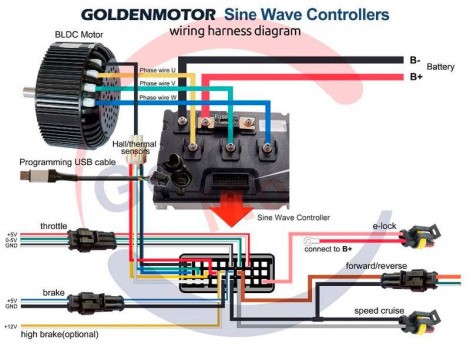
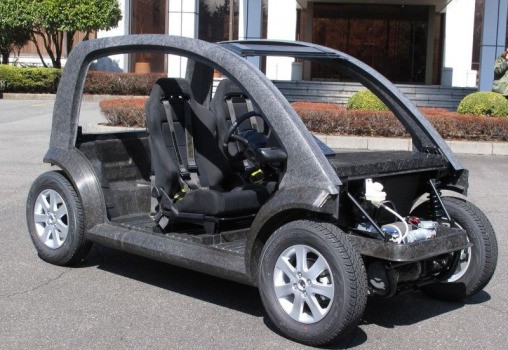
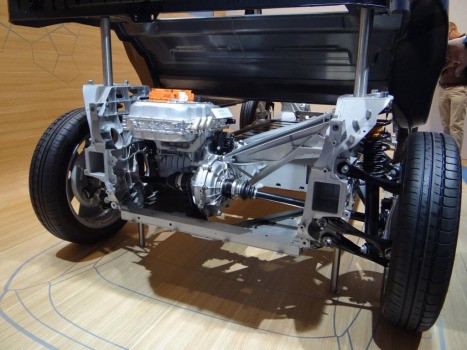
How to assemble an electric car with my own hands? This isn’t something you can cover in a single video, but I can give you a broad overview. First, you’ll need a comprehensive plan. This involves choosing a suitable chassis, selecting your motor, battery pack, and other essential components. You’ll need detailed schematics and wiring diagrams. Then comes the assembly itself. This is a multi-stage process involving mounting the motor, installing the battery pack, wiring the electrical system, integrating the control unit, and fitting the chassis with all the necessary components. You’ll need to carefully follow safety protocols throughout the entire process, especially when working with high-voltage systems. Testing and calibration are also critical steps. You’ll need to ensure that all systems are functioning correctly and safely before even considering a test drive. Remember, this is a complex undertaking requiring specialized tools, equipment, and a deep understanding of electrical engineering and automotive mechanics. It’s not a project for the faint of heart. And finally, you’ll need to address the legal requirements for registering and insuring your homemade vehicle.
Drawings. Now, I can’t actually show you drawings in this script, but I highly recommend searching online for detailed schematics and diagrams of electric vehicle components and assembly processes. There are many resources available, from technical manuals to enthusiast forums, that can provide valuable visual aids. Remember to always cross-reference information from multiple sources to ensure accuracy and safety. Finding reliable and detailed drawings is crucial for a successful build. Remember, safety should always be your top priority. Improperly assembled electric vehicles can be extremely dangerous.
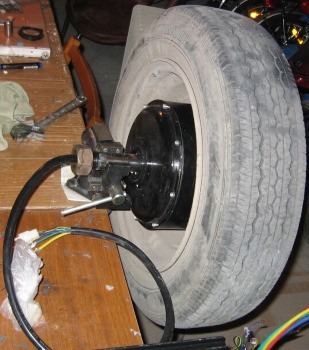
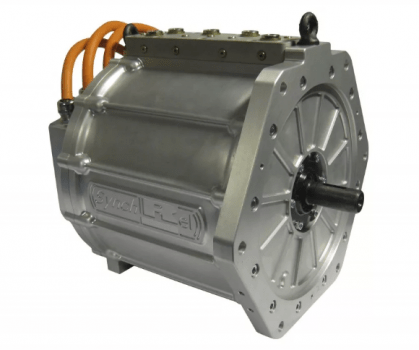
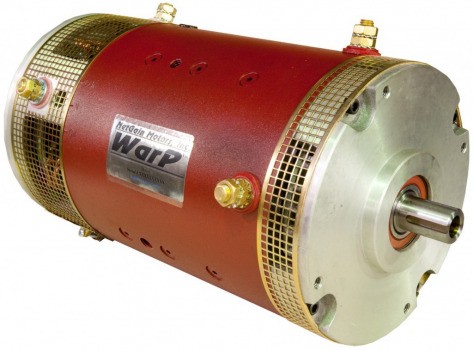
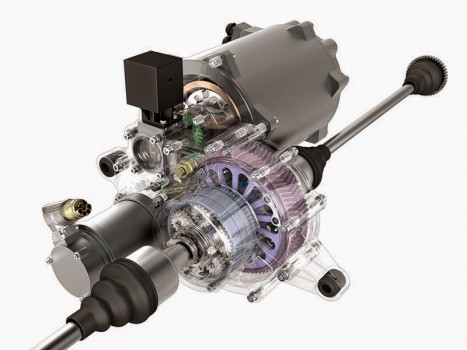
So, you’re thinking about building your own electric car? That’s ambitious! Let’s dive into the nitty-gritty of what that actually entails. First up: the electric motor. This is the heart of your EV, and choosing the right one is crucial. You’ll need to consider factors like power output – how much horsepower you want – and torque, which determines how quickly it accelerates. There’s a HUGE range of motors available, from salvaged units from old electric vehicles, which can be a cost-effective option, to brand new, high-performance motors that will cost you a pretty penny. You’ll also need to think about the motor’s voltage and current requirements, which will dictate the size and type of battery pack you’ll need. Don’t underestimate the importance of this decision; getting the wrong motor can lead to a frustrating and potentially dangerous build. Researching motor specifications thoroughly is absolutely essential. Think about things like continuous power versus peak power ratings – you need a motor that can handle sustained use without overheating.
Next, let’s talk about the transmission. Now, this is where things get interesting with electric cars. Unlike gasoline cars, electric motors often don’t require a traditional gearbox. Many electric vehicles use a single-speed reduction gear, essentially a set of gears that steps down the high RPM of the motor to a lower RPM suitable for driving the wheels. However, some more complex setups might involve multiple gears for different driving conditions. The choice here depends heavily on the motor you’ve selected and the performance characteristics you’re aiming for. You’ll need to carefully match the transmission to your motor to ensure optimal efficiency and performance. This is another area where getting expert advice is invaluable. Incorrectly matched components can lead to reduced efficiency, overheating, and even damage to your motor or transmission.
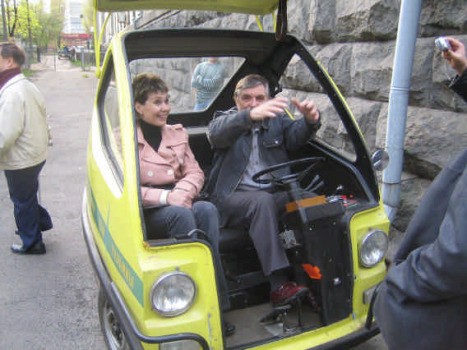
Then there’s the interior. This is where you get to personalize your creation, but it’s also a significant undertaking. You’re not just talking about seats and a steering wheel; you’re dealing with wiring harnesses, control systems, and potentially even custom fabrication. You’ll need to source all the necessary components, which could involve scavenging parts from junkyards, purchasing new components from specialized suppliers, or even designing and 3D-printing certain elements. Think about safety features – seatbelts, airbags (if you’re feeling ambitious!), and the overall ergonomics of the driving position. This is where your creativity and resourcefulness will really shine, but it’s also where you’ll likely spend a considerable amount of time and money. Don’t underestimate the complexity of integrating all the different systems – electrical, mechanical, and even the infotainment system if you’re going that route.
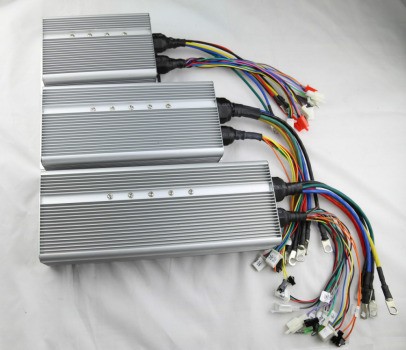
And finally, let’s address the elephant in the room: purchasing additional parts. Building an electric car from scratch is rarely a matter of simply assembling a few pre-made components. You’ll inevitably need a wide array of additional parts, from nuts and bolts to specialized connectors and wiring. This is where careful planning and budgeting are crucial. You’ll need to source everything from battery management systems (BMS) to controllers, inverters, and potentially even custom-made chassis components. Don’t forget about safety-critical items like fuses, relays, and circuit breakers. This phase of the project can be both exciting and frustrating, as you might find yourself searching for obscure parts or improvising solutions. Thorough research and a well-organized parts list are essential to avoid delays and unexpected costs. Remember, even seemingly small parts can significantly impact the overall performance and safety of your vehicle. This is a marathon, not a sprint, and meticulous planning is key.
- Читайте также: