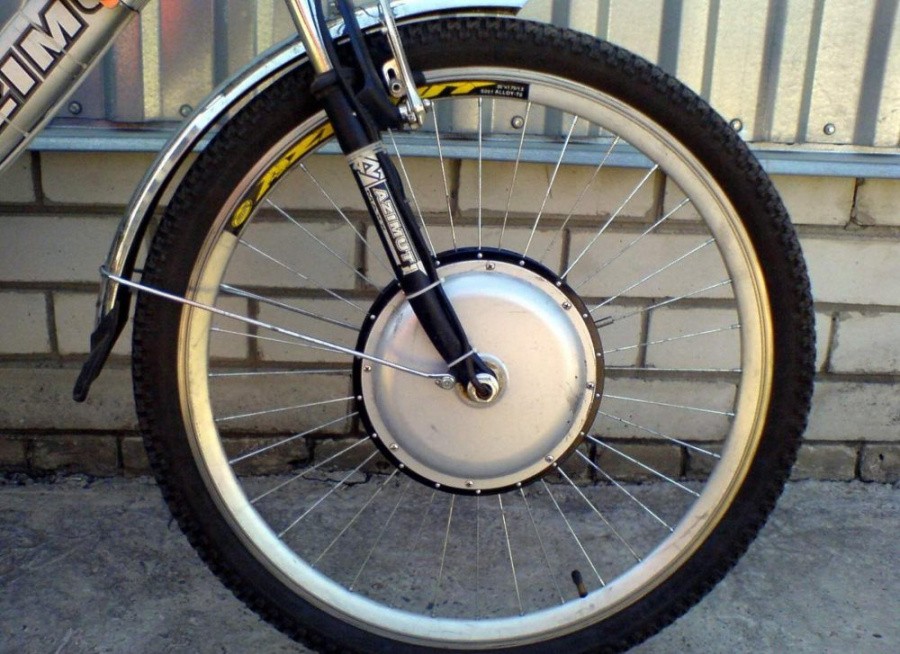
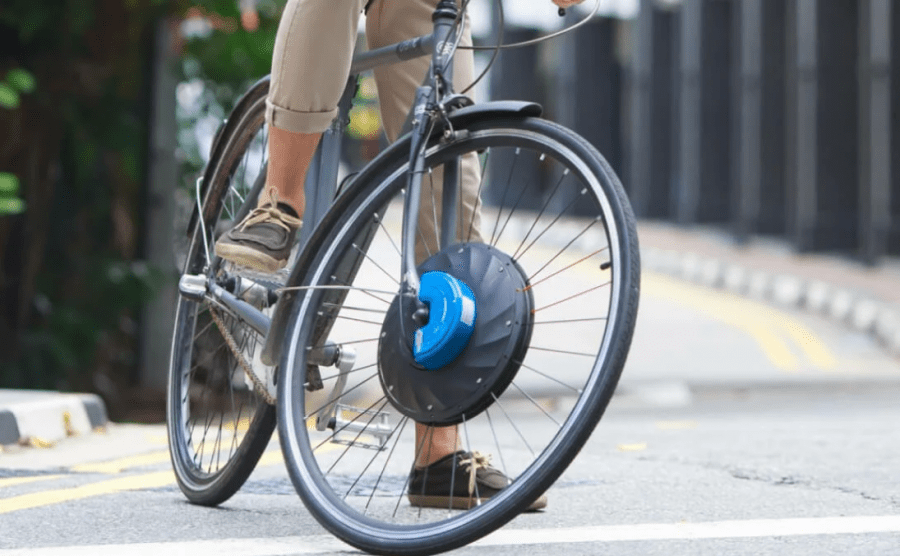
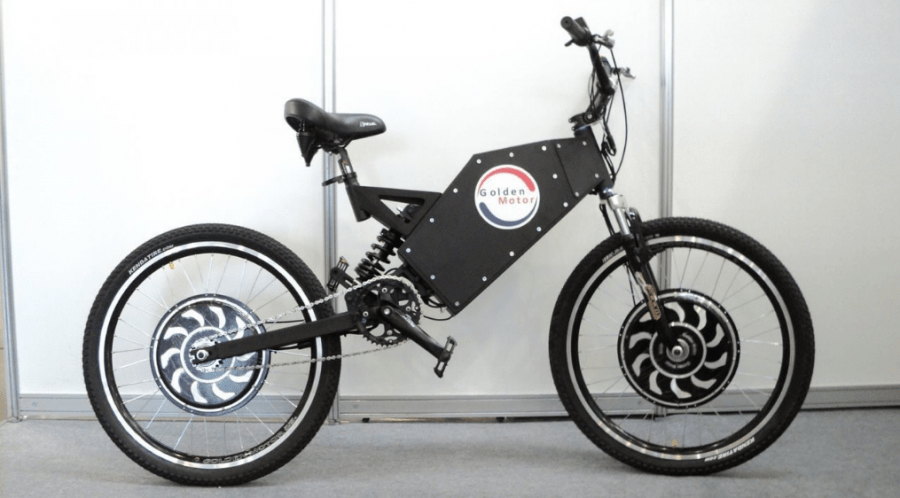
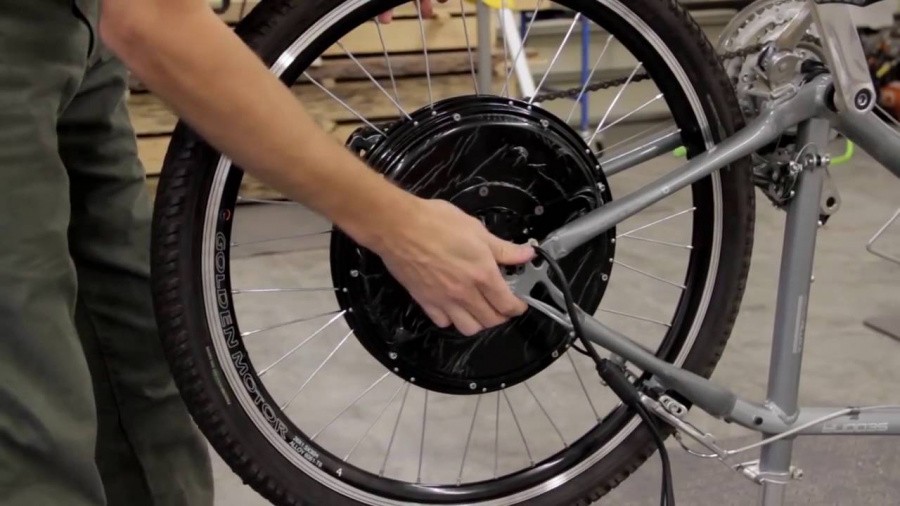
Hey everyone, let’s dive into the world of motor wheels for electric bicycles! First off, what exactly is a motorized wheel, or MK as we’ll call it for short? Essentially, it’s a wheel that has an electric motor built directly into it. This motor provides the power to propel your e-bike, replacing the need for a separate motor and complex drive train. Think of it as a self-contained power unit for your bicycle.
Now, let’s talk about the different classifications of motor wheels. There are primarily TWO main types: direct-drive and gear-driven. Direct-drive MKs are pretty straightforward. The motor’s shaft is directly connected to the wheel axle, meaning the motor rotates the wheel directly. This design is usually known for its simplicity, durability, and relatively quiet operation. However, they can be heavier and less efficient at higher speeds compared to their gear-driven counterparts.
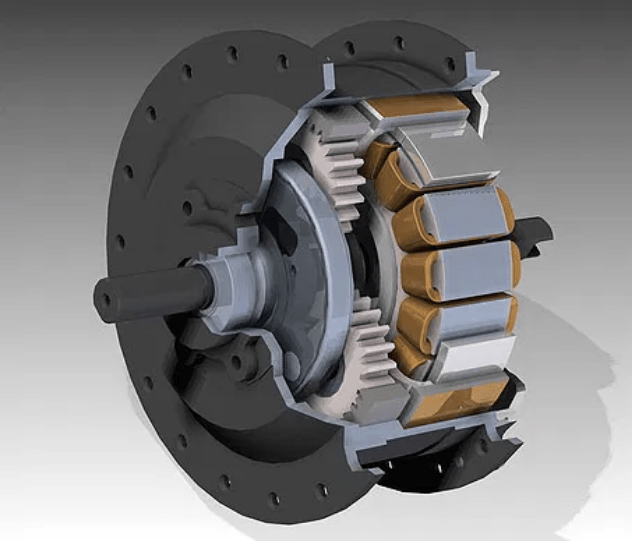
Gear-driven MKs, on the other hand, use a gear system to increase the motor’s rotational speed and torque. This allows for a smaller, lighter motor to achieve the same power output as a larger direct-drive motor. They can be more efficient at higher speeds, but the added gears can introduce some noise and potential points of failure. Think of it like the difference between a manual and automatic transmission in a car.
One popular example of a gear-driven motor wheel is the Copenhagen Bicycle Motor. This motor is known for its compact design and relatively high power output, making it a popular choice for many e-bike conversions and builds. It’s a great example of how gear-driven systems can pack a punch in a small package.
You’ll also find motor wheels designed for either the front or rear wheel of your bicycle. Front motor wheels often provide a more natural feel for steering, especially at lower speeds, while rear motor wheels generally offer better traction and power delivery, particularly when climbing hills or carrying heavy loads. The choice depends largely on personal preference and riding style.
The power output of a motor wheel is another crucial factor to consider. You’ll find motor wheels ranging from a few HUNDRED watts to over ONE THOUSAND watts. Higher wattage motors generally provide more power and speed, but they also tend to be heavier and more expensive. Choosing the right wattage depends on your riding needs and preferences. Do you need a powerful motor for steep hills, or will a lower-wattage motor suffice for flatter terrain?
We also need to consider whether the motor wheel is sprung or unsprung, and whether it uses spokes or a solid rim. Unsprung motor wheels, where the motor is directly attached to the wheel, can transmit more vibrations to the rider, while sprung designs can offer a smoother ride. Spoked wheels offer flexibility and resilience, while solid rims are often found in higher-power applications for increased durability.
Finally, let’s touch on traction motor wheels and those designed for high speeds. These specialized motor wheels are engineered for specific performance characteristics. Traction motor wheels are designed to provide maximum grip and power, often used in off-road or demanding conditions. High-speed motor wheels, on the other hand, are optimized for efficiency and speed, often found in e-bikes designed for longer distances and higher top speeds. And of course, the weight of the motor wheel is always a consideration. Heavier motor wheels can impact the overall handling and performance of your e-bike, so it’s something to keep in mind when making your selection.
Hey everyone, let’s dive deep into the world of motorwheels for electric bicycles! We’re going to cover everything you need to know to make an informed decision when choosing the right motorwheel for your e-bike.
- Читайте также:
First up, let’s talk about the wheel itself. The size of the wheel is obviously crucial, and it’s directly tied to the overall performance and feel of your e-bike. You’ll find motorwheels in a wide range of sizes, from the smaller TWENTY-SIX-INCH wheels often seen on city e-bikes, all the way up to TWENTY-NINE-INCH wheels, which are popular for trekking and mountain bikes. The larger the wheel, generally, the smoother the ride, especially over rough terrain. But remember, larger wheels can also be heavier, impacting acceleration and overall efficiency. Consider your riding style and terrain when making your choice. Think about the weight of the wheel too; a heavier wheel will require more power to get moving and maintain speed. The material of the wheel rim is also important; aluminum is lightweight and strong, while other materials might offer different benefits, like increased durability.
Next, let’s discuss brake mount types. This is a critical aspect of safety and compatibility. You’ll primarily encounter TWO main types: disc brake mounts and rim brake mounts. Disc brakes are far more powerful and reliable, especially in wet conditions, and are becoming the standard for most e-bikes. Rim brakes, while simpler, are less effective and can wear down your rims more quickly. Make sure the motorwheel you choose is compatible with your existing brake system. If you’re unsure, double-check the specifications carefully. It’s a detail you absolutely don’t want to overlook.
The axle diameter is another key specification. This determines the compatibility with your bike’s frame and fork. Common axle diameters include TWELVE millimeters, FIFTEEN millimeters, and TWENTY millimeters. You absolutely MUST know your bike’s axle diameter before purchasing a motorwheel. Getting the wrong size will render the motorwheel completely unusable. It’s a simple measurement, but a crucial one. Take the time to measure your current axle diameter accurately.
Now, let’s move on to rear motorwheels specifically designed for ratchet or cassette systems. These systems are how your gears work, and compatibility is essential. The number of gears, the spacing between them, and the overall cassette width all need to match your existing drivetrain. If you’re unsure about your current setup, consult your bike’s manual or a local bike shop. They can help you identify the correct specifications. Getting this wrong can lead to significant problems with shifting and overall performance.
The motorwheel’s width, or more accurately, the width of the mounting area, is also important. This needs to be compatible with your bike’s frame and rear triangle. A motorwheel that’s too wide simply won’t fit. Again, double-check the specifications against your bike’s measurements. This is another area where a small mistake can have big consequences.
Choosing the right motor kit is a significant decision. There are many different types available, each with its own advantages and disadvantages. Consider factors like power output, torque, and battery life. A higher wattage motor will generally provide more power and speed, but it will also increase the overall weight and drain the battery faster. Torque is crucial for climbing hills, and a higher torque rating will make those climbs easier. Battery life is obviously important for range, and you’ll need to consider your typical riding distances when making your choice. Don’t rush this decision; research thoroughly and consider your needs.
Now, let’s look at how motorwheels are used in different types of electric bikes. City electric bikes often use smaller, lighter motorwheels, prioritizing efficiency and maneuverability in urban environments. These bikes are designed for shorter distances and flatter terrain. Electric bikes for commuting often strike a balance between performance and efficiency, offering a good compromise for daily commutes. They might use slightly larger wheels for better stability and comfort. Trekking electric bikes, on the other hand, typically utilize more robust motorwheels designed for longer distances and varied terrain. These wheels are built to withstand more wear and tear. Finally, electric mountain bikes often feature the most powerful and durable motorwheels, capable of handling challenging trails and steep climbs. These wheels are designed to withstand significant stress and impact. The type of riding you plan to do will heavily influence your motorwheel choice.