Okay, let’s dive straight into common electric bicycle faults. First up, we need to talk about your warranty. Check your paperwork carefully! Knowing the length of your warranty period is crucial because many repairs, especially those related to the motor or battery, will be covered during this time. Don’t hesitate to contact your retailer or manufacturer if you experience problems within the warranty period – it’s their responsibility to fix them. Understanding your warranty rights is the first step in troubleshooting any e-bike issue.
Next, let’s talk about proper operation. This might seem obvious, but many problems stem from simple user error. Are you overloading your bike? Are you riding it in conditions it’s not designed for? Are you neglecting basic maintenance like tire pressure and brake checks? These seemingly small things can lead to bigger problems down the line. Think of it like this: treating your e-bike well is the best preventative maintenance you can do.
Now, let’s get into the nitty-gritty of potential problems. Wiring issues are incredibly common. Loose connections, frayed wires, or even water damage can cause all sorts of electrical gremlins. Visually inspect your wiring regularly, looking for any signs of damage. If you spot anything suspicious, don’t try to fix it yourself unless you’re experienced with electrical work. It’s safer to take it to a professional. Remember, working with electricity can be dangerous.
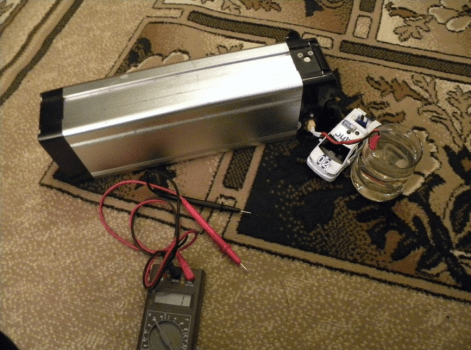
Problems with the storage unit, that’s your battery, and the electric motor are often interconnected. A failing battery might not provide enough power to the motor, leading to reduced performance or complete failure. Similarly, a faulty motor can put extra strain on the battery, shortening its lifespan. If you notice a significant drop in range, or if your motor is struggling to turn the wheels, these are strong indicators of a problem with either the battery or the motor itself. Again, professional help is often needed here.
Troubleshooting using the control panel is a great starting point. Most e-bikes have a display that shows various indicators, like battery level, speed, and error codes. Familiarize yourself with your control panel’s indicators. Understanding what the different lights and symbols mean can help you pinpoint the problem. If your e-bike doesn’t have a control panel, diagnosing the problem becomes more challenging, requiring a more hands-on approach and potentially more specialized tools. In this case, taking it to a professional is highly recommended.
Let’s talk about the linkage between the throttle grip, the controller, and the motor-wheel. This is the chain of command, so to speak, for your e-bike’s power delivery. A problem at any point in this chain can cause issues. A faulty throttle grip might not register your input, a malfunctioning controller might not send the correct signals to the motor, and a problem with the motor-wheel itself can obviously prevent it from turning. Testing each component individually can help isolate the problem.
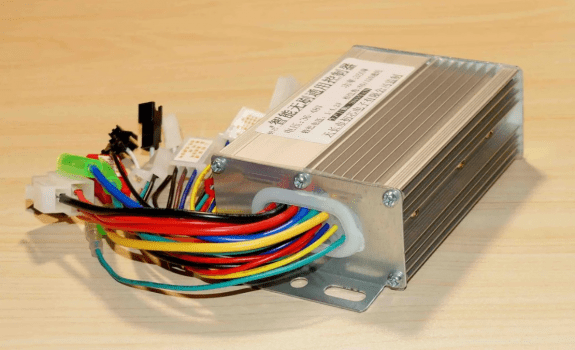
The controller is a critical component, acting as the brain of your e-bike’s electrical system. It receives signals from the throttle, processes them, and sends the appropriate power to the motor. Controller failure is one of the most common reasons for e-bike malfunctions. The most common reasons for controller failure include overheating (often due to prolonged use or poor ventilation), water damage, and simply wear and tear over time. If your controller fails, you’ll likely need a replacement, and this is best left to a professional unless you have the necessary expertise and tools.
Hey everyone, let’s dive into some common electric bicycle faults. We’re going to focus on troubleshooting, so grab your tools and let’s get started!
First up, controller failure. This is a big one, and it can manifest in several ways. Sometimes, your e-bike will simply refuse to power on. Other times, you might experience intermittent power cuts, or the motor might struggle to reach its full speed. The causes are varied. Sometimes, it’s simply a loose connection – a quick check of all the wiring harnesses and connectors is always a good first step. You might find a corroded connection or a wire that’s come loose. A faulty controller itself is another possibility, and unfortunately, that usually means a replacement is needed. Overheating is another common culprit. If your controller is consistently overheating, it could be due to a number of factors, including a faulty motor, a problem with the battery, or even just poor ventilation. Always make sure there’s adequate airflow around your controller to prevent overheating. Finally, water damage can also cause controller failure. If you’ve ridden your e-bike in wet conditions, carefully inspect the controller for any signs of moisture.
- Читайте также:
Next, let’s talk about the motor-wheel. This is the heart of your e-bike’s propulsion system, and problems here can be serious. A common issue is bearing failure. If you hear unusual noises coming from your motor-wheel, like grinding or clicking, it’s a strong indication that the bearings are worn out and need replacing. This is a job best left to a professional unless you have experience working with bicycle mechanics. Another problem is motor winding failure. This is less common but can result in a complete loss of power. If you suspect a motor winding failure, you’ll likely need to replace the entire motor-wheel. And finally, there’s the possibility of damage to the motor itself. This could be caused by anything from a collision to prolonged overloading. If your motor-wheel is damaged, it’s usually best to have it professionally assessed and repaired or replaced.
Now, let’s move on to the rotor position sensors. These little guys are crucial for the smooth operation of your e-bike’s motor. They tell the controller where the rotor is positioned, allowing for precise power delivery. They can fail due to a number of reasons. Physical damage, like a knock or impact, can easily break them. Water ingress can also cause problems, leading to corrosion and malfunction. And finally, just like any other electronic component, they can simply wear out over time. If your rotor position sensors fail, you’ll likely experience erratic motor behavior, including jerky starts and stops, or even a complete failure to start.
Let’s consider the accelerator knob, or throttle. This is the control you use to accelerate your e-bike. If your motor controller stops responding to the gas pedal, there are several things to check. First, ensure the knob itself isn’t damaged or faulty. A simple visual inspection can often reveal cracks or other damage. Next, check the wiring connecting the accelerator knob to the controller. Loose connections or broken wires are common culprits. And finally, the accelerator knob itself might be faulty, requiring replacement. This is a relatively inexpensive and easy repair, but it’s important to ensure you get a replacement part that’s compatible with your e-bike model.
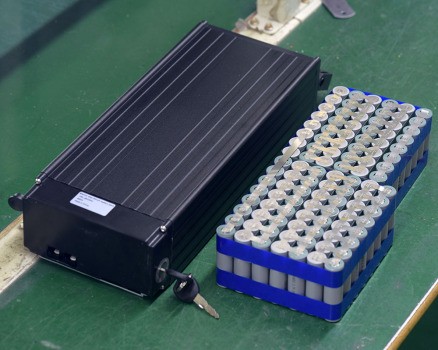
Now, let’s talk about your electric accumulator, or battery. Knowing when to replace it is crucial for both performance and safety. There are several signs that indicate your battery is nearing the end of its life. ONE is a significant reduction in range. If you’re noticing that your e-bike is traveling significantly shorter distances on a single charge than it used to, it’s a clear sign that your battery’s capacity is diminishing. TWO is increased charging time. If it’s taking considerably longer to fully charge your battery than it did when it was new, it’s another indication of wear. THREE is uneven charging. If some cells in your battery are charging faster or slower than others, it could indicate a problem that needs addressing. FOUR is overheating. If your battery gets excessively hot during charging or use, it’s a serious warning sign. And FIVE is visible damage. Any physical damage to the battery casing, such as swelling, cracks, or leaks, should be taken very seriously. A damaged battery poses a significant fire risk.
To reduce the risk of battery fire, always charge your battery in a well-ventilated area, away from flammable materials. Never leave your battery charging unattended, and always use the correct charger for your specific battery model. Inspect your battery regularly for any signs of damage, and replace it immediately if you notice any problems. Remember, a faulty battery is a serious safety hazard.