Hey everyone, let’s dive into the world of traction batteries for electric boat motors. Choosing the right battery is crucial for a smooth and reliable boating experience, so we’re going to explore the key features you should consider. We’ll look at what makes a battery suitable for marine applications, focusing on things like durability, lifespan, and of course, power output. You need a battery that can handle the demands of your motor, whether you’re cruising gently or powering through some choppy waters. Think about the size of your boat, the power of your motor, and how long you plan to be out on the water each time – these factors will all influence your battery choice.
Now, let’s talk about the different varieties of traction batteries you’ll find on the market for your electric boat. There are several types, each with its own set of advantages and disadvantages. Understanding these differences will help you make an informed decision based on your specific needs and budget. We’ll be looking at THREE main types: Gel batteries, Lithium-ion batteries, and AGM batteries.
First up, we have Gel batteries. These are a popular choice for many boat owners because of their relatively low cost and ease of maintenance. They’re designed to withstand vibrations and shocks, which is important in a marine environment. Gel batteries use a gelled electrolyte, which helps to prevent spills and leaks, a significant safety advantage, especially on a boat. However, they generally have a lower energy density compared to other types, meaning they don’t pack as much power into the same physical size. This can translate to needing more batteries to achieve the same range as other options. Also, their lifespan is typically shorter than some of the newer technologies, meaning you might need to replace them more frequently. Think about the trade-off between cost and longevity when considering gel batteries.
Next, let’s move on to Lithium-ion batteries. These are becoming increasingly popular in the marine industry due to their superior performance characteristics. Lithium-ion batteries boast a significantly higher energy density than gel or AGM batteries, meaning you can get more power and longer run times from a smaller and lighter battery. This is a huge advantage, especially for smaller boats where space is at a premium. They also have a longer lifespan, meaning you’ll likely replace them less often, saving you money in the long run. However, Lithium-ion batteries are generally more expensive upfront than gel or AGM batteries. They also require a more sophisticated battery management system (BMS) to ensure safe and efficient operation. This added complexity can increase the overall cost of the system. Furthermore, proper handling and storage are crucial, as they are more sensitive to extreme temperatures and overcharging than other battery types.
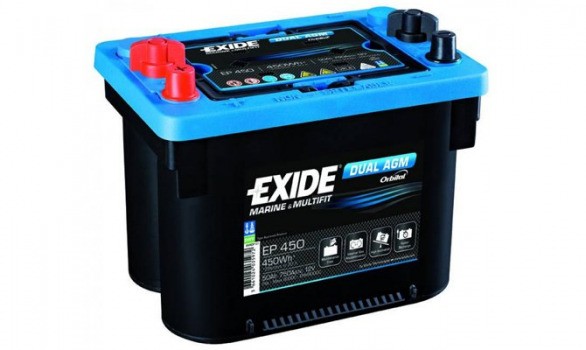
Finally, we have AGM batteries, or Absorbent Glass Mat batteries. These are a good middle ground between gel and lithium-ion batteries. They offer a decent balance of performance, cost, and lifespan. AGM batteries are relatively robust and can handle vibrations well, making them suitable for marine applications. The electrolyte is absorbed into a fiberglass mat, preventing spills and leaks, similar to gel batteries. They generally offer a longer lifespan than gel batteries but shorter than lithium-ion batteries. Their energy density is also higher than gel batteries but lower than lithium-ion batteries. AGM batteries are a reliable and relatively low-maintenance option, making them a popular choice for many boaters. Consider them if you’re looking for a good balance of performance and affordability. Remember to always check the specific specifications and ratings of any battery you’re considering to ensure it meets the requirements of your boat and motor. Choosing the right battery is a significant investment, so take your time and do your research.
Hey everyone, let’s dive into the world of traction batteries for electric boat motors. First up, we’ll talk about lead-acid traction batteries. These have been a mainstay in the boating world for a long time, and for good reason. They’re relatively inexpensive, readily available, and pretty robust. However, they’re also heavier than some other options, and their lifespan isn’t as long as some of the newer technologies. You’ll want to consider the amp-hour rating – that tells you how much power the battery can store. A higher amp-hour rating means longer run times, but also a heavier and more expensive battery. Think carefully about the size of your boat and the power demands of your motor when choosing the right amp-hour rating. Also, remember that lead-acid batteries are sensitive to deep discharges; consistently draining them too low can significantly shorten their lifespan. So, proper charging is crucial. We’re talking about using a smart charger that monitors the charging process and prevents overcharging, which can damage the battery.
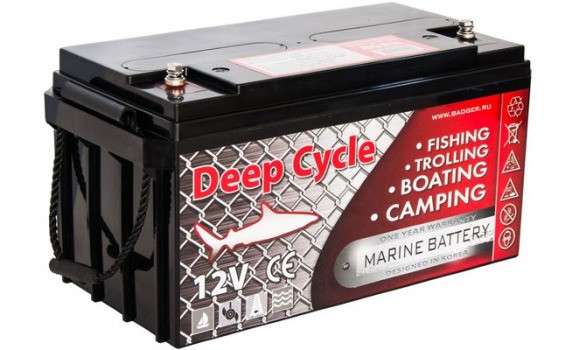
Now, let’s move on to deep-discharge batteries. These are specifically designed to handle repeated deep discharges without suffering significant damage. This makes them ideal for electric boats, where you’ll likely be using a substantial portion of the battery’s capacity on each outing. Deep-cycle batteries are typically more expensive than standard lead-acid batteries, but their longer lifespan and better performance often make them a worthwhile investment in the long run. There are different types of deep-cycle batteries, including AGM (Absorbent Glass Mat) and gel cell batteries. AGM batteries are generally more resistant to vibration and leakage, making them a good choice for the often-rough environment of a boat. Gel cell batteries are even more robust in this regard, but they tend to be more expensive. Again, the amp-hour rating is key here – choose a battery with enough capacity to meet your needs without consistently pushing it to its limits.
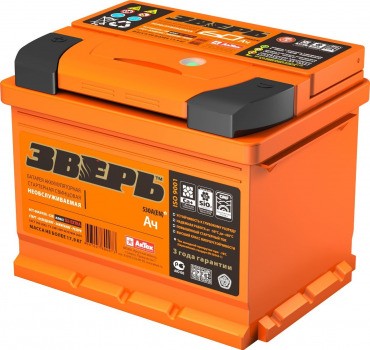
A common question I get is: can I use car batteries in my boat? The short answer is: generally, no. Car batteries are designed for short bursts of high power to start an engine, not for sustained discharge like you’d need for an electric boat motor. They’re not built to handle deep discharges, and attempting to use them in this way will likely damage them quickly and potentially leave you stranded on the water. Stick to batteries specifically designed for deep-cycle applications.
So, what should you look for when choosing a battery for your electrified watercraft? First and foremost, consider the amp-hour rating, as we’ve discussed. Then, think about the type of battery – lead-acid, AGM, gel cell, or even lithium-ion, which are becoming increasingly popular for their high energy density and long lifespan, although they are significantly more expensive. Consider the physical size and weight of the battery, ensuring it fits comfortably in your boat without compromising stability or maneuverability. Also, check the battery’s warranty – a longer warranty often indicates higher quality and reliability. Finally, don’t forget about the charging system. You’ll need a charger compatible with the type of battery you choose, and it’s a good idea to invest in a smart charger to protect your investment.
- Читайте также:
Finally, let’s talk about some popular manufacturers. There are many reputable brands out there, each with its own strengths and weaknesses. Some popular choices include companies like Trojan, Rolls-Surrette, and Optima. Trojan is known for its robust and reliable lead-acid batteries, while Rolls-Surrette offers a wide range of deep-cycle batteries for various applications. Optima is known for its spiral-cell technology, which offers excellent vibration resistance and a long lifespan. However, it’s crucial to research each manufacturer and model to find the best fit for your specific needs and budget. Remember to always check reviews and compare specifications before making a purchase. Choosing the right battery is a crucial step in ensuring a safe and enjoyable experience with your electric boat.