So, you’re curious about electric cars? That’s fantastic! Let’s dive into some of the most common questions people have.
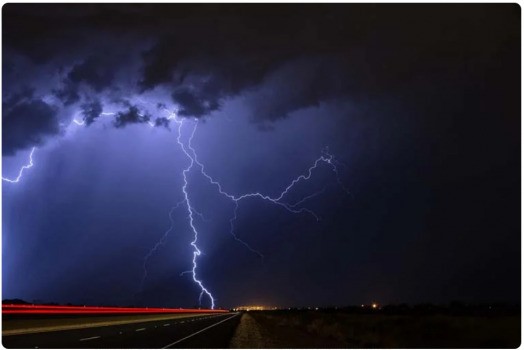
First up: What happens if an electric car gets struck by lightning? This is a BIG question, and thankfully, the answer is generally reassuring. Modern electric cars, like most modern vehicles, are designed with safety in mind. They have robust electrical systems and grounding that are intended to handle significant electrical surges. While a direct lightning strike is a rare event for ANY vehicle, the chances of serious damage to the car’s battery or electrical components are relatively low. The car’s body acts as a Faraday cage, directing the electrical current around the passengers and into the ground. However, it’s still a good idea to avoid being in your car during a thunderstorm if possible, just like you would with a gasoline-powered car. The risk isn’t specific to electric vehicles.
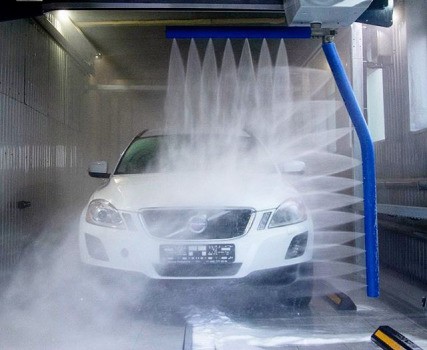
Next, can you wash an electric car at an automatic car wash? The short answer is: usually, yes, but with a few caveats. Most automatic car washes are perfectly fine for electric vehicles. However, you should avoid those with extremely high-pressure washers, especially near the charging port. High pressure could potentially damage the charging port seal. It’s always a good idea to check the car wash’s instructions and perhaps even give them a quick call beforehand, just to be on the safe side. And, of course, make sure you’ve properly sealed any charging port covers.
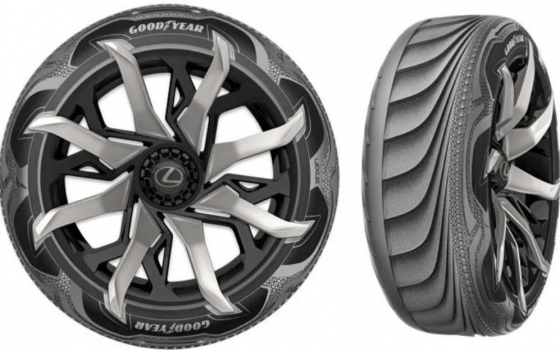
Now, let’s talk tires. Is it necessary to buy special tires for electric cars? The answer is no, you don’t need special tires specifically designed for electric vehicles. However, because electric cars are often heavier and have more torque, it’s crucial to choose tires that are rated for the car’s weight and performance capabilities. Consult your owner’s manual for recommended tire specifications. Look for tires with a high load index and a speed rating appropriate for your driving style. Remember, good tires are essential for any car, electric or not, for safety and optimal performance.
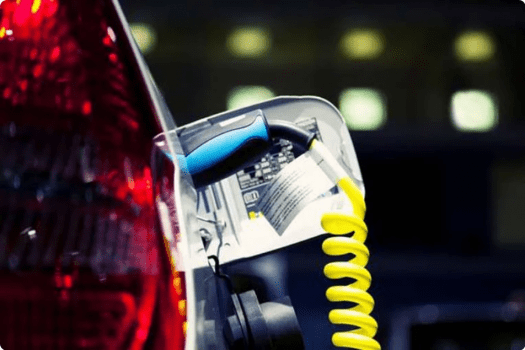
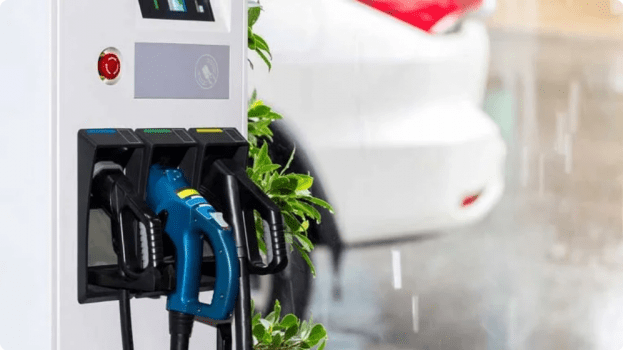
What about charging in the rain? Can I charge my electric car in rainy weather? Absolutely! Modern charging stations are designed to be weatherproof. The charging connectors and cables are sealed to prevent water ingress. However, it’s still wise to exercise some caution. Avoid standing in puddles while connecting or disconnecting the charging cable. And, if you’re concerned, you can always use an umbrella to protect yourself from the rain. The charging process itself is not affected by rain.
Finally, a question many people have: how far apart are charging stations? This is a tricky one because the answer varies significantly depending on your location. In densely populated areas, you’ll find charging stations relatively close together, often within a few miles of each other. However, in more rural areas, the distances between charging stations can be much greater, sometimes TEN, TWENTY, or even FIFTY miles apart. Before embarking on a long journey, it’s always essential to plan your route carefully using a navigation app that shows charging station locations. Many apps are available that specifically cater to electric vehicle drivers, providing real-time information on charging station availability and charging speeds. Planning ahead is key to a smooth and enjoyable electric vehicle driving experience.
So, SIXTH on our list of frequently asked questions: Is it possible to make a silent electric car make a sound similar to a powerful sports car with an internal combustion engine? Well, this is a fun one! The short answer is yes, but it’s not quite as simple as just adding a speaker and playing a recording. Electric cars are famously quiet, and for good reason – it’s a huge part of their appeal. But some people miss the roar of a powerful engine. Manufacturers are tackling this in a few ways. Some are incorporating synthesized engine sounds that are played through the car’s speakers, carefully calibrated to match the car’s speed and acceleration. Think of it like a sophisticated sound design, tailored to create the illusion of a powerful engine note. Others are experimenting with more subtle sounds, designed not to mimic a gas engine, but to provide an auditory cue for pedestrians, especially at low speeds, for safety reasons. So, while you might not get the exact rumble of a V EIGHT, you can definitely get a sound that adds to the driving experience, or at least makes you feel a little less like you’re gliding around in a spaceship.
Now, let’s move on to number SEVEN: How does speed affect the driving range? This is a crucial question for anyone considering an electric vehicle. The faster you drive, the more energy you use. It’s simple physics – higher speeds require more power to overcome air resistance. Think of it like this: at lower speeds, you’re gently pushing through the air, but at higher speeds, you’re essentially battling a strong headwind. This increased energy consumption directly translates to a reduced driving range. So, while you might get THREE HUNDRED miles on a single charge at a steady FIFTY miles per hour, that number could drop significantly if you’re consistently driving at EIGHTY or NINETY miles per hour. Aggressive acceleration and braking also impact range, so smooth driving habits are key to maximizing your distance.
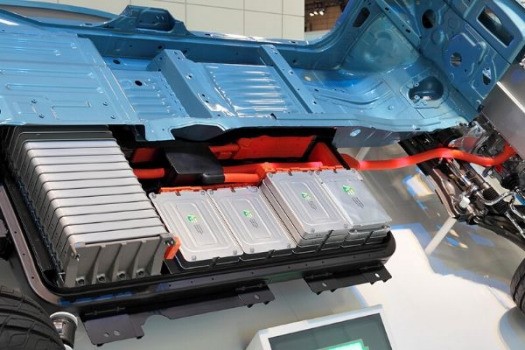
EIGHT: How much will the battery deteriorate over time? Battery degradation is a natural process, much like the way a phone battery loses capacity over time. However, the rate of degradation varies depending on several factors, including the type of battery, charging habits, and climate. Generally, you can expect to see some loss of capacity over the life of the battery, but it’s not as dramatic as some people might think. Most manufacturers offer warranties that cover a certain percentage of capacity loss over a specific period, typically EIGHT years or ONE HUNDRED FIFTY THOUSAND miles. Things like consistently charging to ONE HUNDRED percent or letting the battery drain completely can accelerate degradation, so it’s best to avoid these extremes. Proper charging habits and regular maintenance can help extend the lifespan of your electric car battery.
- Читайте также:
Next, question NINE: Can an electric car be used as a tow vehicle? The answer is: it depends. While some electric vehicles are designed with towing capabilities, others are not. The maximum towing capacity varies significantly between models, and it’s crucial to check your vehicle’s specifications before attempting to tow anything. Towing puts extra strain on the battery, significantly reducing your range. You’ll also need to consider the weight of the trailer and the terrain you’ll be driving on. Overloading your vehicle or towing in challenging conditions can put excessive stress on the battery and other components, potentially leading to damage. Always consult your owner’s manual for specific towing guidelines and limitations.
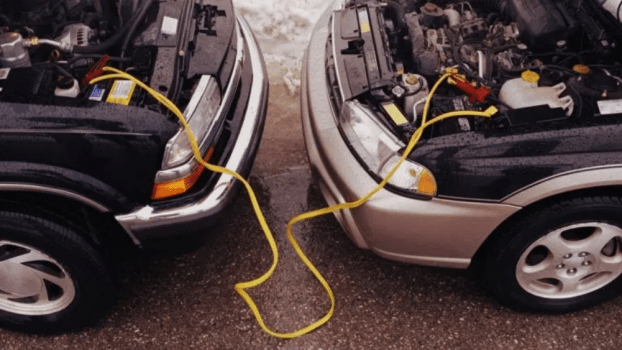
Finally, number TEN: Can I start an electric car from another means of transportation if the battery is dead to zero? Unfortunately, no. Unlike gasoline cars, you can’t jump-start an electric car in the traditional sense. The high-voltage systems in electric vehicles pose a significant safety risk, and attempting to jump-start one could be dangerous. If your electric car battery is completely depleted, you’ll need to rely on roadside assistance or charging options. Many electric vehicles offer features like emergency power-off switches and low-voltage systems for certain functions, but these are not designed to jump-start the main battery. So, always make sure to keep your battery charged and plan your trips accordingly.