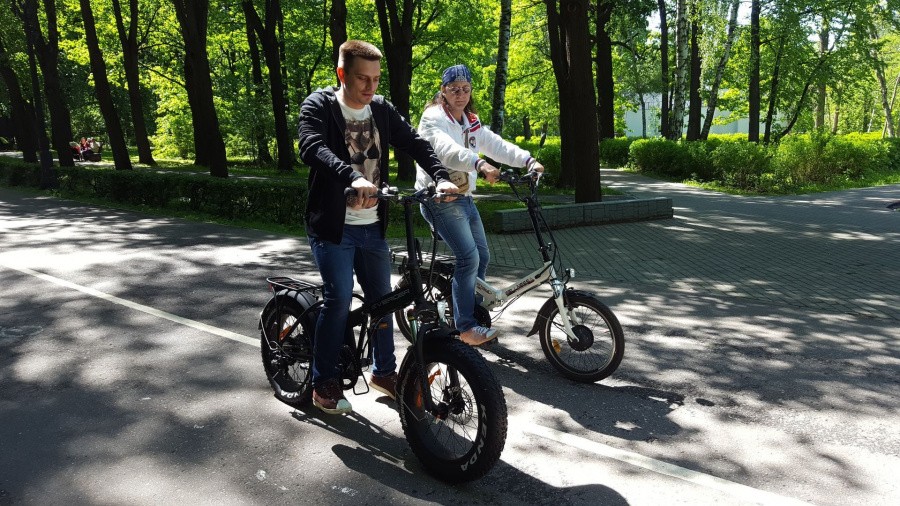
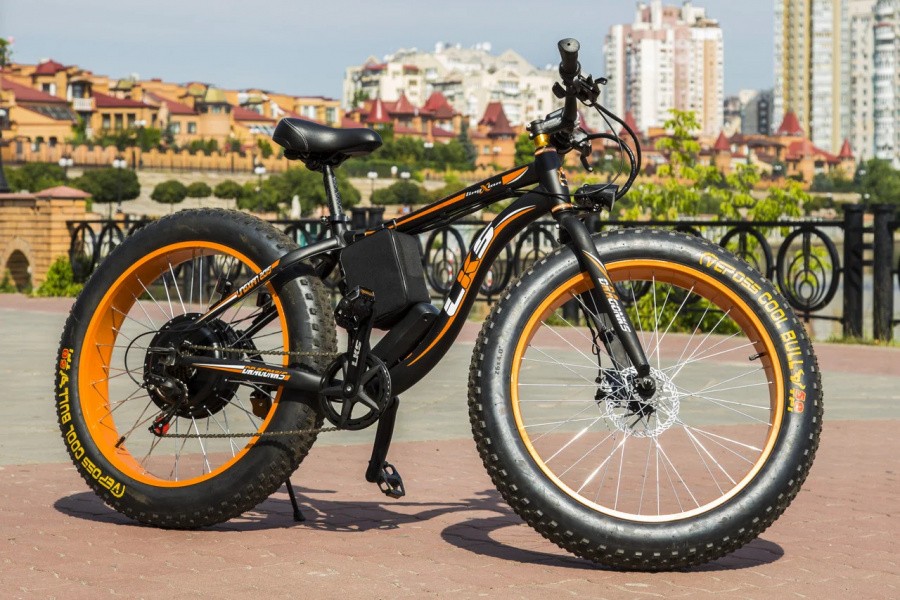
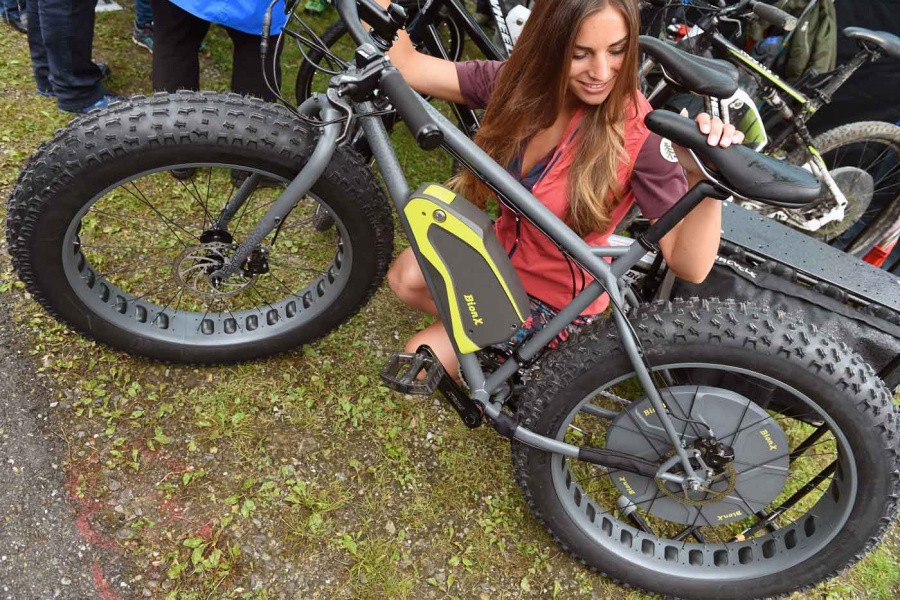
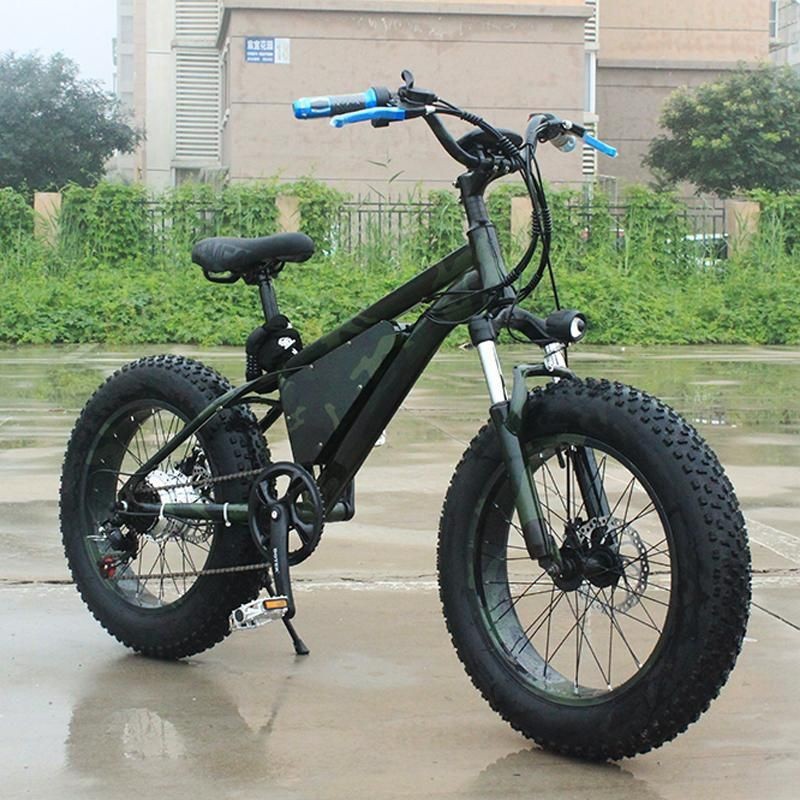
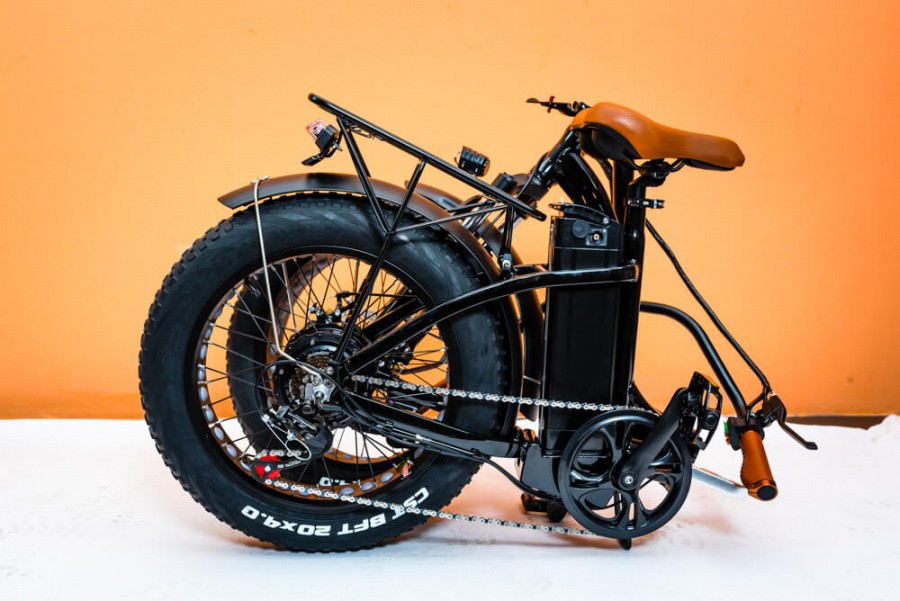
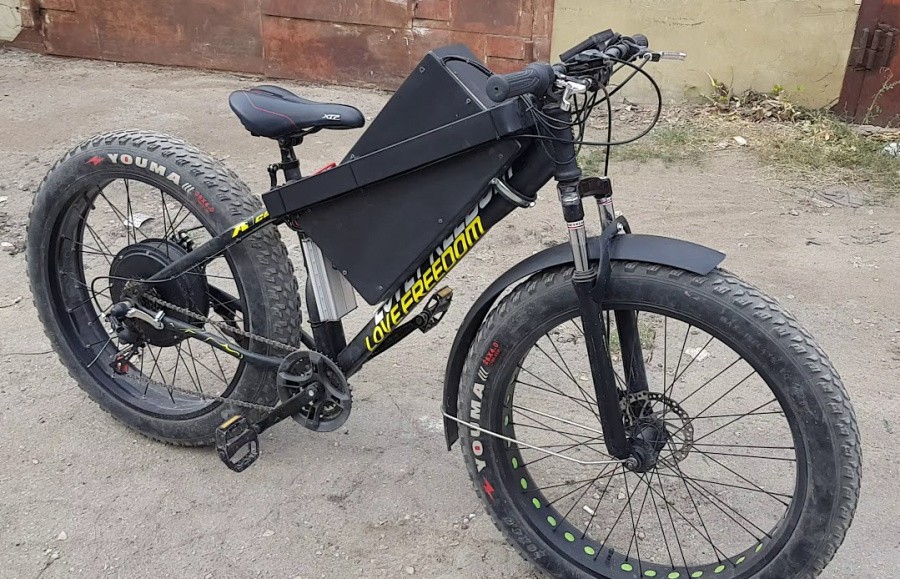
Hey everyone, let’s dive into the world of electric fatbikes! First off, what exactly is an electric fatbike? Well, it’s pretty much what it sounds like: a fat tire bike with an electric motor assisting your pedaling. These bikes are characterized by their extra-wide tires, typically THREE to FIVE inches wide, designed for maximum traction and stability on various terrains, from snow and sand to mud and gravel. The electric motor provides that extra boost of power, making it easier to tackle hills, longer distances, and challenging conditions.
Now, what’s the difference between an electric fatbike and a regular electric bike? The key difference lies in those tires. A standard e-bike might have thinner tires, better suited for paved roads or smooth trails. Fatbike tires, on the other hand, are built for low-pressure riding, providing superior grip and floatation on soft surfaces. This makes them ideal for off-road adventures where a standard e-bike might struggle. Think about it – you wouldn’t try to ride a road bike through deep snow, right? That’s where the fatbike shines.
So, why choose an electric fatbike over a regular electric bike? Well, the advantages are numerous. First, the increased traction and stability provided by the fat tires opens up a whole new world of riding possibilities. You can explore trails and terrain that would be inaccessible or incredibly challenging on a standard e-bike. Second, the electric assist makes conquering hills and longer distances a breeze. This means you can enjoy longer rides with less effort, making it a great option for people of all fitness levels. Third, the added comfort and stability of the fat tires make for a smoother, more enjoyable ride, even on rough terrain. And finally, the versatility is amazing! You can use it on the beach, in the snow, on gravel paths, and even on paved roads, making it a truly all-terrain machine.
Of course, there are some disadvantages to consider. Electric fatbikes are generally heavier and bulkier than standard e-bikes, making them less maneuverable in tight spaces. They’re also typically more expensive, due to the larger tires, more robust frame, and powerful motor. The added weight can also impact battery life, meaning you might need to charge more frequently on longer rides. And finally, the wider tires can create more rolling resistance on paved surfaces, making them slightly less efficient on roads compared to a standard e-bike.
So, you’re thinking about buying an electric fatbike – fantastic! What should you look for? First, consider the motor. Different motors offer varying levels of power and assistance. Think about your riding style and the terrain you’ll be tackling. A more powerful motor will be beneficial for tackling steep hills and challenging terrain, but it will also increase the weight and cost. Next, pay close attention to the battery. A larger battery capacity will provide a longer range, but it will also add weight and cost. Consider how far you plan to ride on a single charge. Then, think about the frame material. Aluminum frames are lightweight and durable, while steel frames are even more robust but heavier. Consider your budget and riding style when making this decision. Finally, don’t forget the components! Look for high-quality brakes, gears, and suspension to ensure a safe and comfortable ride. Things like tire quality and the overall build quality are also crucial factors to consider.
And finally, let’s talk about some popular manufacturers. There are many great brands out there, each offering a range of models with different features and price points. Some of the well-known names include Rad Power Bikes, Aventon, and Juiced Bikes. However, it’s always a good idea to do your own research and compare models from different manufacturers to find the perfect electric fatbike for your needs and budget. Remember to read reviews and compare specifications before making a purchase. Happy riding!
Hey everyone, let’s dive into the world of electric fat bikes! First up, let’s talk about frame types. You’ll typically find aluminum and steel frames. Aluminum frames are generally lighter, making for a more nimble ride, but they can be a bit more expensive. Steel frames, on the other hand, tend to be more durable and absorb vibrations better, which is great for rough terrain, and they’re usually a bit more budget-friendly. Think about your riding style – are you prioritizing weight or durability? That will help you decide.
Next, let’s consider suspension. You’ve got hardtails, which have no rear suspension, and full-suspension bikes, which have both front and rear suspension. Hardtails are simpler, lighter, and generally cheaper. They’re perfect for riders who mostly stick to smoother trails. Full-suspension bikes, however, offer a much smoother ride, especially on rough and bumpy terrain. They’re more expensive, heavier, and require more maintenance, but the increased comfort and control are worth it for many riders. Think about the types of trails you’ll be tackling.
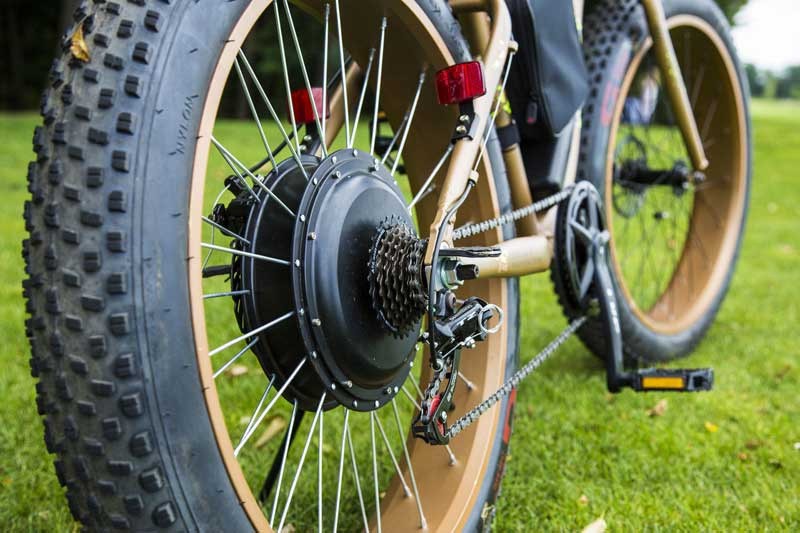
Now, let’s get into the heart of the electric fat bike: the motor. Most electric fat bikes use hub motors, either in the front or rear wheel. Rear hub motors are more common because they provide better traction and climbing power. Mid-drive motors are less common on fat bikes but offer superior efficiency and power distribution, especially on steep inclines. Consider your priorities: rear hub motors are generally simpler and more affordable, while mid-drive motors offer superior performance but come with a higher price tag. The type of drive system is closely linked to the motor. You’ll find single-speed, internally geared hubs, and derailleur systems. Single-speed is the simplest and requires the least maintenance, but it offers limited gearing options. Internally geared hubs offer a wider range of gears within a sealed unit, requiring less maintenance than derailleur systems. Derailleur systems offer the widest range of gears but require more frequent maintenance. Think about the terrain you’ll be riding and your mechanical aptitude.
- Читайте также:
Let’s talk batteries. Battery capacity is measured in watt-hours (Wh). A higher Wh rating means a longer range. You’ll find batteries ranging from THREE HUNDRED Wh to over ONE THOUSAND Wh. Larger batteries obviously provide longer range but also add weight and cost. Consider how far you plan to ride on a single charge. Battery placement varies; some are integrated into the frame, while others are mounted on the downtube or rack. Integrated batteries look cleaner but can be more difficult to replace. Removable batteries offer more convenience for charging. Think about your priorities: range, weight, aesthetics, and convenience.
Finally, let’s discuss manufacturers. There are many reputable brands out there, but some stand out for their quality, reliability, and customer service. I’d recommend doing your research and reading reviews before making a purchase. Look for brands with a strong reputation and good warranty policies. Don’t be afraid to compare specs and prices from different manufacturers to find the best electric fat bike for your needs and budget. Remember, the best electric fat bike for you depends on your individual needs and preferences. Happy riding!