So, you’re wondering about electric car battery degradation, specifically how much capacity they lose in a year? It’s a really important question, and honestly, there’s no single, simple answer. It depends on a LOT of factors. We’re talking about a complex interplay of things like temperature, charging habits, and even just the age of the battery chemistry itself.
Let’s dive into one of the biggest culprits: fast charging. Now, fast charging is incredibly convenient, right? You can top up your battery in a fraction of the time compared to slower charging methods. But this speed comes at a cost. Think of it like this: imagine constantly sprinting instead of jogging. Your body would wear out much faster, right? It’s similar with your EV battery. Those high-powered charging sessions generate a lot of heat, and heat is the enemy of lithium-ion batteries. Excessive heat accelerates the chemical processes that lead to capacity fade. Studies have shown that consistently using fast charging can significantly increase the rate of battery degradation compared to using slower, level TWO charging. We’re talking potentially a difference of several percentage points of capacity loss per year. It’s not necessarily a deal-breaker, but it’s something to be mindful of. The more you rely on fast charging, the more you’re accelerating the aging process of your battery. The best practice is to try and balance your charging habits. Use fast charging when you absolutely need it, but prioritize slower charging whenever possible to minimize the heat stress on your battery. Think of it as a treat, not a daily habit. This careful approach can make a real difference in the long-term health of your battery and help you maintain a higher percentage of your initial capacity over the years. And remember, every manufacturer and battery chemistry is slightly different, so always refer to your car’s manual for specific recommendations on charging.
So, you’re wondering about electric car battery degradation – how much capacity do these things actually lose over a year? It’s a fantastic question, and honestly, there’s no single, simple answer. It’s a bit more nuanced than just throwing out a percentage. Let’s dive into the biggest factors.
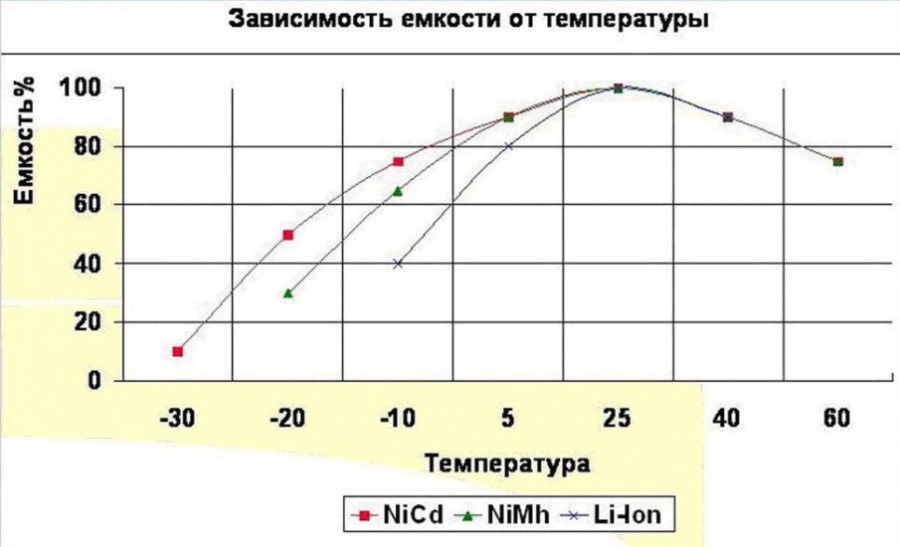
First up: temperature. Think of it like this – extreme heat or extreme cold are both battery killers. Prolonged exposure to scorching temperatures, like leaving your car baking in the sun all day, can significantly accelerate the aging process of the battery cells. The chemical reactions inside the battery are more intense in the heat, leading to faster degradation. Conversely, freezing temperatures can also impact performance and longevity. The electrolytes within the battery can become sluggish, reducing efficiency and potentially causing damage over time. Ideally, you want to keep your car in a moderate temperature range as much as possible. Think of that garage spot as a battery spa! We’re talking about a difference of potentially several percentage points of capacity loss per year, depending on the extremes of temperature your car experiences. We’re not talking about a few degrees here and there; we’re talking about prolonged exposure to truly hot or cold conditions.
Next, let’s talk charging cycles. Every time you charge and discharge your battery, you’re putting a little bit of wear and tear on it. This is completely normal, but the frequency and the way you charge can make a difference. Frequent full charges, from ZERO to ONE HUNDRED percent, are more stressful on the battery than more moderate charging habits. Think about it like this: imagine constantly running a marathon – your body would wear out faster than if you just went for a few shorter jogs. Similarly, consistently charging to ONE HUNDRED percent and draining to ZERO percent puts more stress on the battery cells than charging to, say, EIGHTY percent and letting it sit there. Many experts recommend avoiding both extremes whenever possible. This is another factor that can easily account for a few percentage points of capacity loss annually, depending on your charging habits. The more gentle you are on your battery, the longer it will last.
Now, let’s touch on something you might not have considered: related news. There’s been a lot of discussion lately about advancements in battery technology. Manufacturers are constantly working on improving the longevity and resilience of EV batteries. New chemistries, improved thermal management systems, and smarter charging algorithms are all contributing to slower degradation rates. So, the capacity loss you might experience today might be significantly less than what you would have seen just FIVE or TEN years ago. Keep an eye on the news and advancements in battery technology – it’s a rapidly evolving field! This means that while we can talk about general ranges of capacity loss, the actual numbers are constantly shifting thanks to ongoing innovation. It’s a good idea to check your car’s manual or consult your manufacturer for the most up-to-date information on expected battery degradation for your specific model.