Hey everyone, let’s dive into the world of electric vehicle charging stations! There’s more to it than you might think. We’re going to explore the different types available, so you can become a charging station expert.
First up, we have Level ONE charging. This is the most basic type, essentially using a standard household outlet. Think of the same outlet you use to charge your phone or laptop. It’s convenient because, well, you probably already have one! But, it’s also the slowest. Expect to add only around THREE to FIVE miles of range per hour of charging. It’s perfect for overnight charging at home, topping up your battery slowly while you sleep. Don’t expect to use this for a quick charge before a long trip.
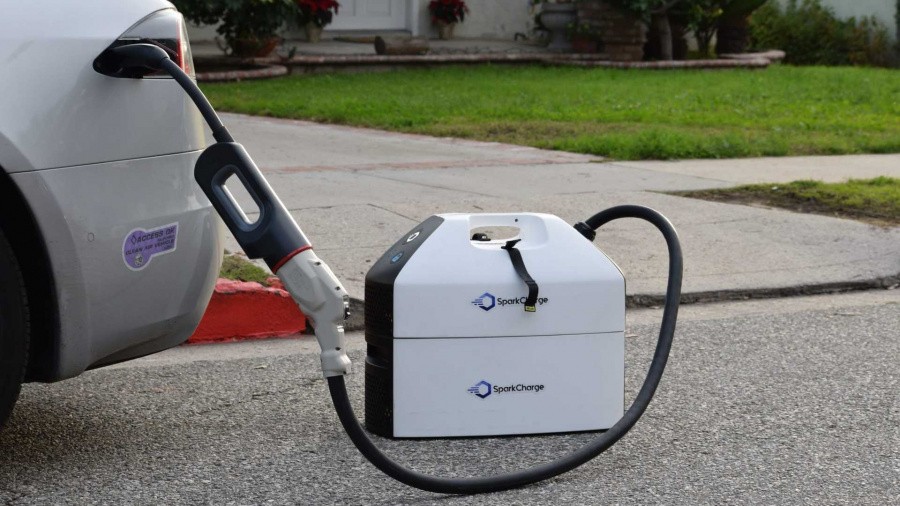
Next, we move to Level TWO charging. This is where things get a bit faster. Level TWO chargers use a dedicated circuit in your home or at a public charging station, delivering a much higher voltage than Level ONE. You’ll typically see these installed in garages, workplaces, or at public charging spots. They can add anywhere from TEN to TWENTY miles of range per hour, a significant improvement over Level ONE. Many Level TWO chargers are equipped with a connector called a J1772 connector, which is the standard in North America. You’ll find a wide range of Level TWO chargers, from smaller, portable units to larger, more powerful stations capable of delivering a substantial charge in a relatively short time. Think of Level TWO as your everyday charging solution – perfect for topping up regularly and ensuring you’re always ready to go.
And finally, we have Level THREE charging, also known as DC Fast Charging. This is the speed demon of the charging world. These stations deliver high-voltage direct current (DC) electricity, allowing for significantly faster charging times. You can add up to ONE HUNDRED or even TWO HUNDRED miles of range in just THIRTY minutes, depending on the charger and your vehicle’s capabilities. This is ideal for long journeys, allowing you to quickly replenish your battery and get back on the road. However, these stations are typically more expensive to install and operate, so you’ll often find them at highway rest stops, shopping malls, and other high-traffic locations. The connectors used for DC Fast Charging vary depending on the region and charging network, with CCS and CHAdeMO being two common standards. Keep in mind that while DC Fast Charging is incredibly convenient, frequent use can potentially impact your battery’s long-term health, so it’s best to use it strategically for those longer trips.
So there you have it – a breakdown of the main types of electric vehicle charging stations. Understanding the differences between Level ONE, Level TWO, and Level THREE charging is crucial for making informed decisions about your EV charging needs. Remember to consider your daily driving habits, charging location options, and the charging capabilities of your specific vehicle when choosing the right charging solution for you.
Hey everyone, let’s dive into the world of electric vehicle charging stations! There’s more to it than you might think. We’re not just talking about plugging in – there’s a whole range of charging options available, each with its own speed and capabilities. Understanding these differences is key to making the most of your electric vehicle experience.
First, we have Level ONE charging. This is the slowest type, essentially using a standard household outlet. Think of it as the equivalent of charging your phone overnight. It uses a standard ONE-TWENTY-VOLT outlet and delivers a trickle charge, typically adding around THREE to FIVE miles of range per hour. It’s great for overnight charging at home, especially if you don’t have a long commute or need a quick top-up. It’s the most accessible option, as almost everyone has access to a standard wall outlet, but it’s definitely the slowest.
Next up is Level TWO charging. This is where things start to get faster. Level TWO chargers use a dedicated TWO-HUNDRED-FORTY-VOLT circuit and can significantly reduce charging times. You’ll typically find these at workplaces, apartment complexes, and public charging stations. They can add anywhere from TEN to FORTY miles of range per hour, depending on the charger’s power output and your vehicle’s capabilities. Many Level TWO chargers are equipped with a J-1772 connector, a standard in North America. The charging time is considerably faster than Level ONE, making it a much more practical option for daily charging needs. You’ll often see these chargers offering different amperage options, with higher amperage leading to faster charging speeds.
Then we have DC Fast Charging, also known as Level THREE charging. This is the fastest option available, and it’s a game-changer for long-distance travel. DC fast chargers use high-voltage direct current to deliver a significant amount of power to your vehicle’s battery. We’re talking about adding potentially HUNDREDS of miles of range in just MINUTES. These chargers are typically found along major highways and in strategic locations to support long journeys. The connectors vary depending on the standard used – you might see CHAdeMO, CCS, or even Tesla’s proprietary connector. While incredibly convenient for long trips, DC fast charging can put more stress on your battery over time, so it’s generally recommended for occasional use rather than daily charging. The cost per kilowatt-hour is also usually higher at these stations.
- Читайте также:
Now, let’s talk about some of the recent news and developments in the charging station landscape. There’s a huge push globally to expand the network of public charging stations, particularly DC fast chargers, to address range anxiety and encourage wider EV adoption. Governments are offering incentives and subsidies to encourage the installation of these stations, and private companies are investing heavily in building out their networks. We’re also seeing advancements in charging technology, with faster charging speeds and more robust infrastructure being developed constantly. The competition is driving innovation, which is great news for EV drivers. Keep an eye out for news on new charging technologies and expanded networks – the landscape is constantly evolving.