Hey everyone, let’s dive into the fascinating world of hybrid cars and how they compare to their fully electric counterparts. We’ll be exploring the different types of hybrid systems, so buckle up!
First up, we have micro hybrids. These are the entry-level hybrids, offering only minimal fuel efficiency improvements. Think of them as a stepping stone towards more advanced hybrid technology. They typically use a small electric motor to assist the gasoline engine during acceleration or to power accessories like the air conditioning when the car is stopped. The electric motor in a micro hybrid is usually quite small and doesn’t directly power the wheels. It’s more about providing a little extra boost and potentially improving fuel economy by a few percentage points. Don’t expect miracles here, but it’s a start.
Next, we move on to mild hybrids, often called MHEVs. These are a significant step up from micro hybrids. MHEVs use a larger electric motor, often called a belt-integrated starter generator or BSG. This BSG can assist the gasoline engine more significantly, providing more power during acceleration and potentially allowing for engine start-stop technology that’s smoother and more efficient. The BSG can also regenerate some energy during braking, which is then stored in a small battery. While MHEVs can’t run solely on electric power, they offer a noticeable improvement in fuel efficiency compared to micro hybrids and standard gasoline cars. Think of it as a more substantial boost to your fuel economy, perhaps in the range of TEN to FIFTEEN percent, depending on driving style and conditions.
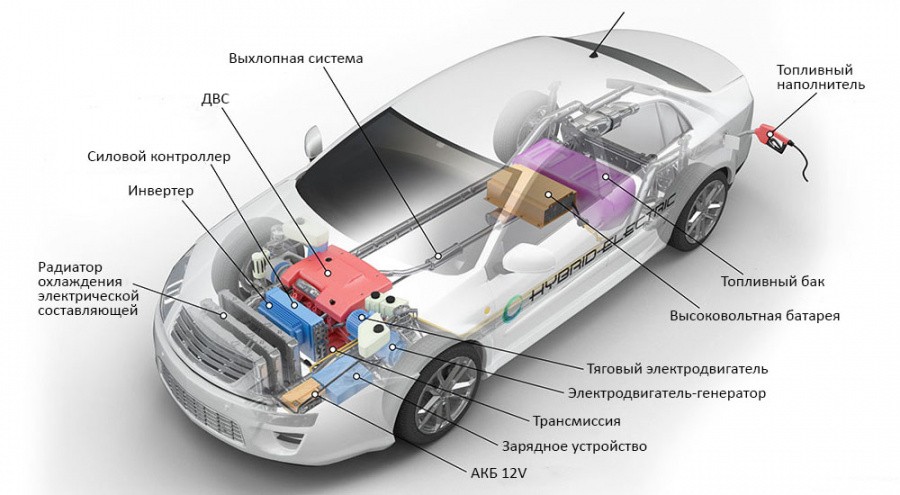
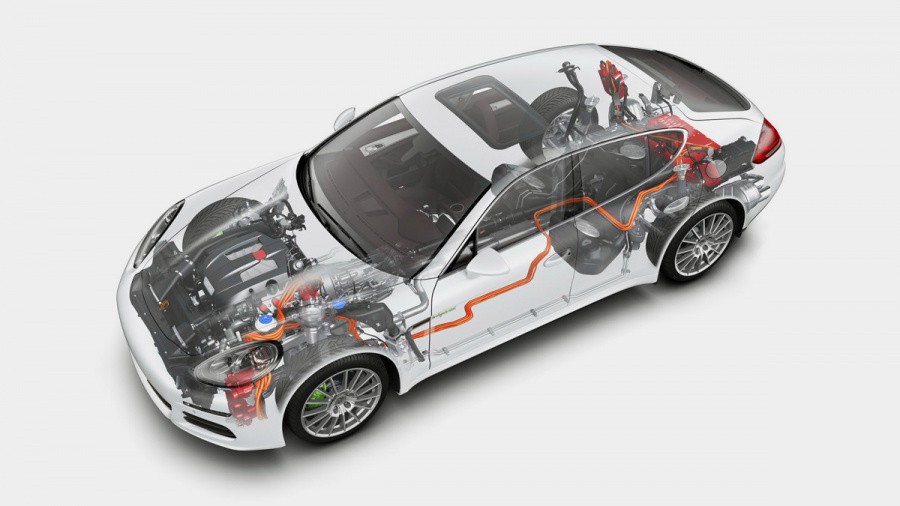
Now, let’s talk about full hybrids, or FHEVs. These are the real deal when it comes to hybrid technology. FHEVs have a much larger electric motor and a significantly larger battery pack compared to mild hybrids. This allows them to run solely on electric power at lower speeds for short distances, often up to around TWENTY to THIRTY miles per hour. They can also seamlessly switch between electric and gasoline power, optimizing fuel efficiency based on driving conditions. You’ll see a much more substantial improvement in fuel economy with a full hybrid, often in the range of TWENTY to THIRTY percent or even more, depending on the specific vehicle and driving habits. This is where you start to see the real benefits of hybrid technology.
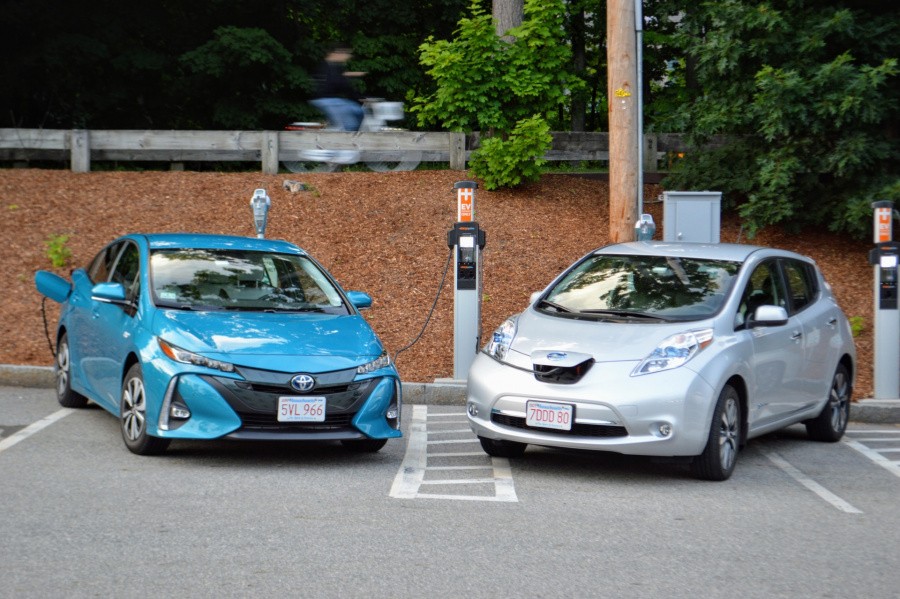
Then there’s the category sometimes referred to as «full electric hybrids,» although this isn’t a universally accepted term. These are essentially plug-in hybrid electric vehicles (PHEVs). PHEVs have a much larger battery pack than FHEVs, allowing for a significantly longer all-electric range, often FIFTY to ONE HUNDRED miles or more, depending on the model. This means you can potentially drive for a considerable distance on electric power alone, significantly reducing your reliance on gasoline. However, they still have a gasoline engine as a backup, unlike fully electric vehicles. The charging time for PHEVs varies depending on the charger and the vehicle’s specifications.
Moving on to sequential hybrids. These are a less common type of hybrid system where the electric motor and gasoline engine work sequentially, meaning one operates at a time, rather than simultaneously. The electric motor might power the car at low speeds, and then the gasoline engine takes over at higher speeds. This system is simpler than parallel hybrids but generally offers less efficient energy management.
Finally, we have sequential-parallel hybrids. These combine aspects of both sequential and parallel hybrid systems. They offer a more complex and sophisticated approach to energy management, allowing for a greater degree of flexibility in how the electric motor and gasoline engine work together. This often results in improved fuel efficiency and performance compared to purely sequential or parallel systems. They represent a more advanced and refined approach to hybrid technology. Think of it as the best of both worlds, combining the simplicity of sequential systems with the efficiency of parallel systems. This is where you’ll find some of the most advanced and fuel-efficient hybrid vehicles on the market.
Okay, let’s dive into the world of hybrid cars and how they stack up against their fully electric counterparts. First up, we need to talk about plug-in hybrids, or PHEVs. These are a bit different than your standard hybrid. You see, regular hybrids recharge their batteries through regenerative braking and the gas engine. PHEVs, however, can also be plugged into an external power source, like a wall outlet, to charge their batteries. This means you can potentially drive a significant distance on electric power alone, before the gas engine kicks in. The range varies wildly depending on the model, but you’re looking at anywhere from TWENTY to FIFTY miles of all-electric driving, sometimes even more. This makes them a really interesting option for people who want the benefits of both worlds – the fuel efficiency of a hybrid and the ability to drive emission-free for shorter trips. Think of it as a stepping stone between a purely gasoline-powered car and a fully electric vehicle. It’s a great way to ease into the electric car lifestyle without the range anxiety that can sometimes come with a fully electric vehicle.
Now, let’s look ahead to the future of hybrid technology. While electric vehicles are definitely gaining traction, hybrids aren’t going anywhere anytime soon. In fact, we’re seeing continued advancements in hybrid technology, focusing on improving fuel efficiency and reducing emissions. Manufacturers are constantly working on more efficient engines, better battery technology, and smarter energy management systems. We’re likely to see even more sophisticated hybrid systems in the years to come, potentially bridging the gap even further between hybrids and fully electric cars. One area of particular interest is the development of more powerful and longer-lasting batteries, which could lead to even greater electric-only driving ranges in PHEVs. We might also see more innovative approaches to integrating hybrid systems into different types of vehicles, from small city cars to larger SUVs.
- Читайте также:
So, the BIG question: what’s better, a hybrid or an electric car? There’s no single right answer, as it really depends on your individual needs and circumstances. Let’s break down the advantages of each. First, let’s talk about why someone might choose a hybrid over an electric car. One major advantage is the significantly lower purchase price. Hybrids generally cost less upfront than comparable electric vehicles. Another key benefit is the extended range. You don’t have to worry about running out of charge on a long road trip, as the gas engine provides a backup. Refueling is also quicker and more convenient than charging an electric car, especially if you’re on a long journey. Finally, the availability of hybrids is generally much wider than electric vehicles, meaning you have more choices in terms of models and trims.
Now, let’s flip the script and consider the advantages of electric cars over hybrids. Electric cars offer significantly better fuel efficiency, or rather, energy efficiency. They’re generally cheaper to run in the long run, thanks to lower electricity costs compared to gasoline. They also produce ZERO tailpipe emissions, making them a much more environmentally friendly choice. Electric cars often boast quicker acceleration and a smoother, quieter driving experience. And, let’s not forget the potential government incentives and tax breaks that can make the initial purchase price more manageable.
Finally, let’s touch on some related news. The automotive industry is constantly evolving, and there’s always something new happening in the world of hybrid and electric vehicles. Keep an eye out for announcements from major manufacturers about new models, technological advancements, and government policies that could impact the market. Staying informed about these developments will help you make the best decision when it comes time to choose your next car. Remember to do your research and compare different models to find the perfect fit for your lifestyle and budget.