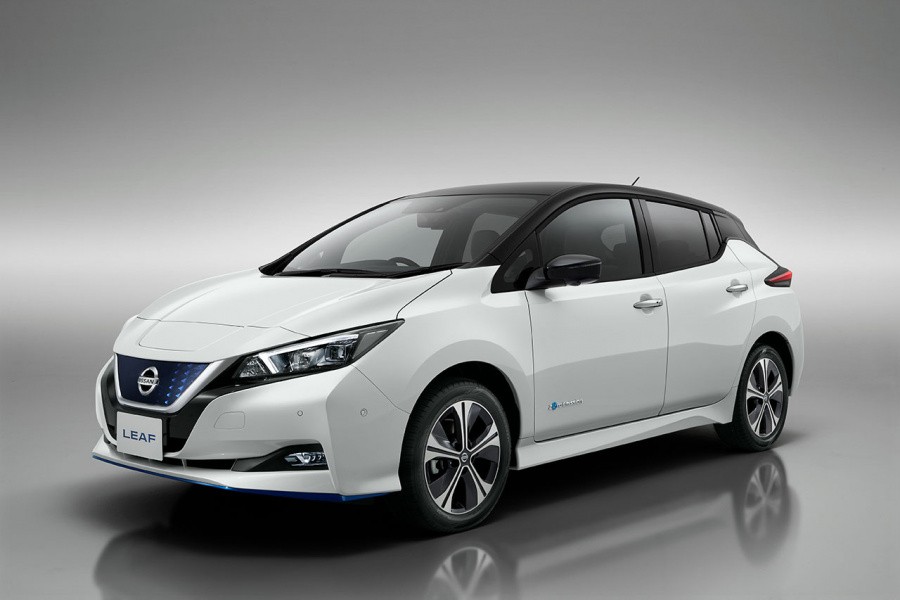
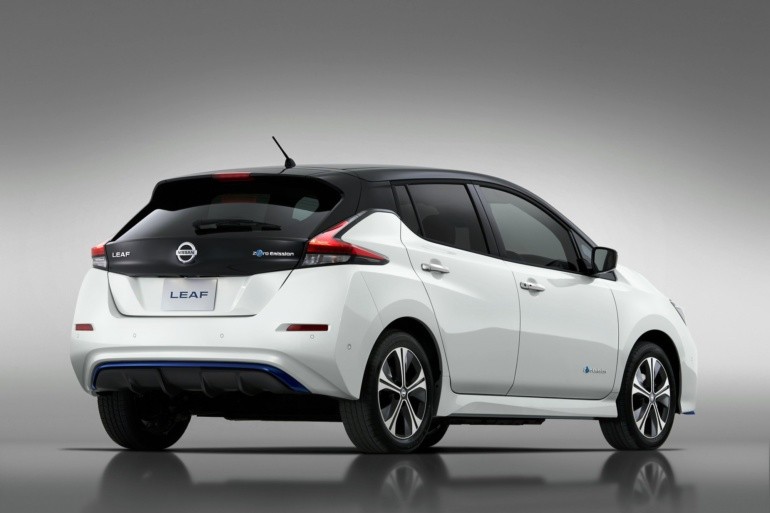
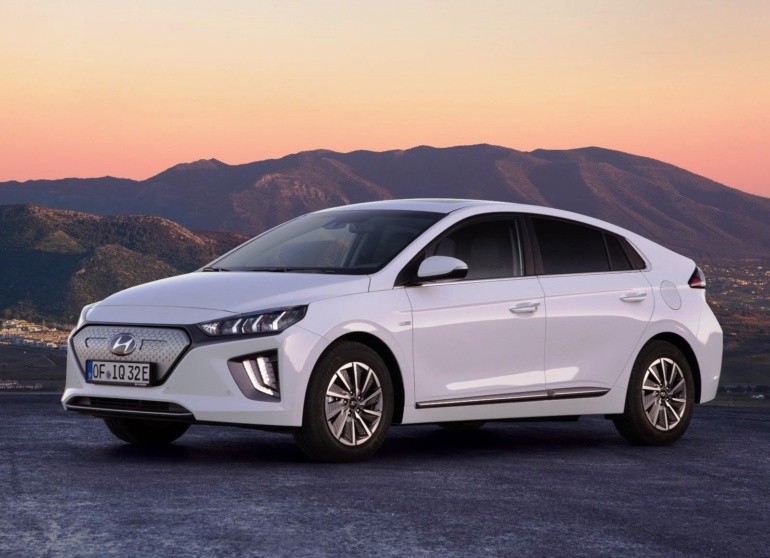
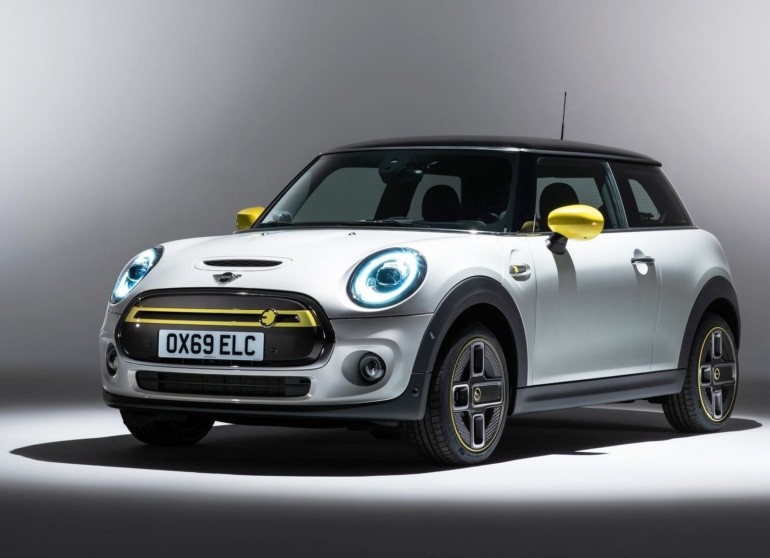
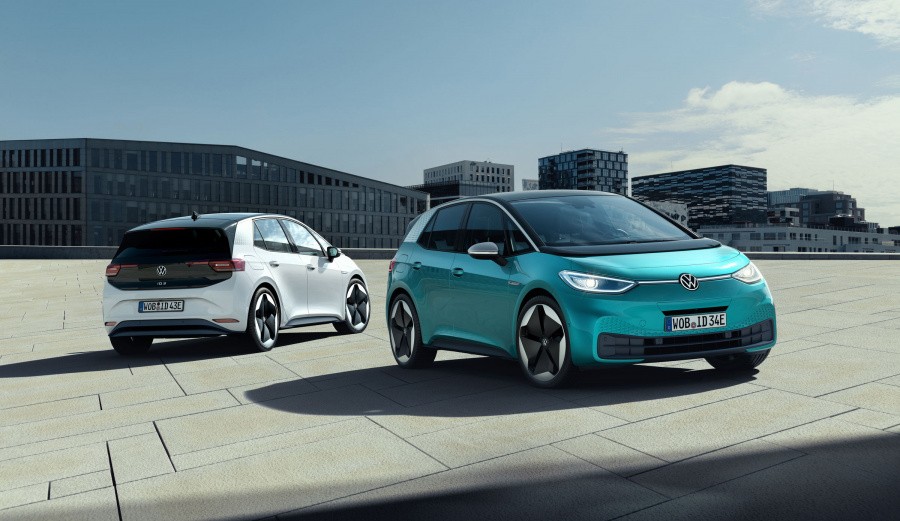
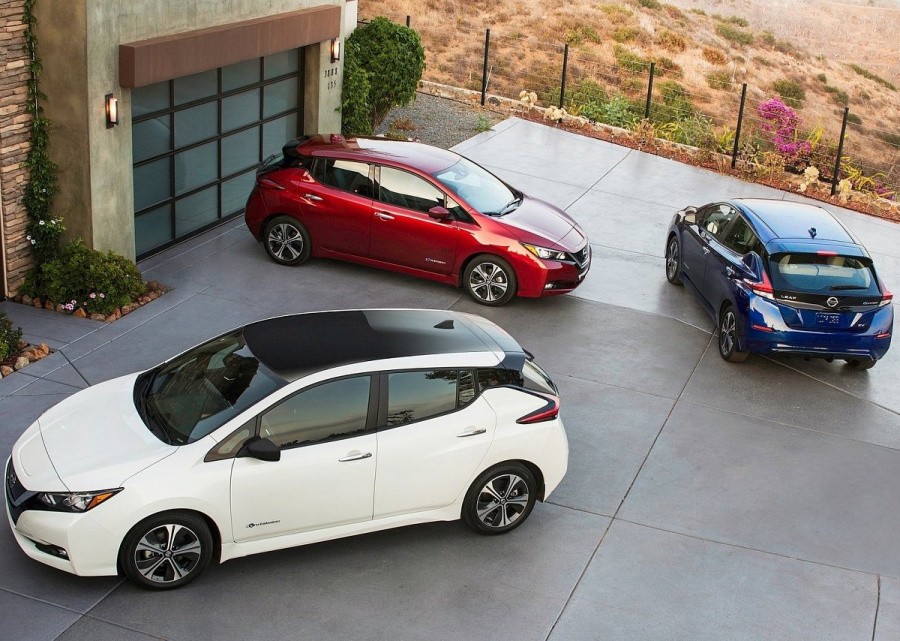
So, we’re diving into the world of electric vehicles in Ukraine, specifically looking at the Nissan Leaf’s main competitors. And let’s be clear, finding a good EV in Ukraine can be a bit of a quest, but there are some solid options out there. First up, we have a strong contender starting from around THIRTY-FIVE THOUSAND dollars. This car offers a compelling blend of features and technology, making it a serious player in this market. We’re talking about a vehicle that’s not just practical, but also offers a surprisingly enjoyable driving experience. Think about the range, the charging capabilities, and the overall comfort – it’s a package that really needs to be experienced to be fully appreciated. We’ll be taking a closer look at its specific features in the next segment of the video, so stay tuned!
Next, we have TWO vehicles that are very closely priced, offering a bit of friendly competition in the THIRTY-FOUR THOUSAND to THIRTY-SIX THOUSAND dollar range. This is a sweet spot in the market, offering a good balance between price and features. These cars are designed to appeal to a broad range of buyers, from those looking for a purely practical commuter car to those who want something a little more stylish and fun to drive. The differences between these two are subtle, but significant enough to warrant a closer look. One might offer a slightly longer range, while the other might boast a more advanced infotainment system. We’ll be breaking down these nuances in the video, so you can make an informed decision about which one best suits your needs.
Finally, we have TWO more competitors, both positioned a little higher in the price range, starting from around THIRTY-SIX THOUSAND and FORTY-ONE THOUSAND dollars respectively. These vehicles represent the premium end of the electric vehicle market in Ukraine. They offer a step up in terms of luxury, performance, and technology. Think premium interiors, advanced driver-assistance systems, and potentially even more impressive range figures. The price difference between these two reflects the variations in features and overall luxury. One might be more focused on performance, while the other might prioritize comfort and technology. Again, we’ll be exploring these differences in detail later in the video, so keep watching to see which one comes out on top for you.
Hey everyone, so we’re diving into the world of electric vehicles today, specifically looking at FIVE competitors to the Nissan Leaf that are officially available in Ukraine. And let’s be honest, choosing an EV can be a minefield, especially with prices starting from around FORTY-TWO THOUSAND dollars. That’s a serious investment, so we need to make sure we’re making the right choice.
First up, let’s talk about the Hyundai Kona Electric. This is a seriously popular choice, and for good reason. It offers a really stylish design, something that’s often overlooked in the EV market. It’s not just about the tech inside; it’s about how the car looks and feels. The Kona Electric boasts a decent range, making it practical for everyday use, and it’s packed with features you’d expect in a car of this price range. We’re talking about things like advanced driver-assistance systems, a user-friendly infotainment system, and comfortable seating for FIVE. But remember, range can vary depending on driving style and conditions, so always factor that in. And while it’s a strong contender, it’s important to compare its specific specs – battery size, charging times, and overall performance – to the Nissan Leaf to see which truly fits your needs.
Next, we have the Kia Niro EV. This is another strong contender from the Korean automotive giants. The Niro EV shares a lot of similarities with the Kona Electric, but it offers a slightly different aesthetic. Some people prefer the more crossover-like design of the Niro, while others lean towards the Kona’s more compact SUV look. It’s all about personal preference, really. But beyond the styling, the Niro EV also offers a competitive range, a spacious interior, and a good selection of features. Again, we need to compare the specifics – range, charging speed, and available tech – against the Nissan Leaf to see which comes out on top. Don’t just rely on marketing materials; dig deep into the technical specifications.
Now, let’s move on to the Volkswagen ID.4. This is a completely different beast. The ID.4 is a larger SUV, offering more space and a more premium feel. It’s a more expensive option, generally speaking, but that extra cost often translates to a more refined driving experience and a higher level of luxury features. Volkswagen has a strong reputation for build quality, and that’s something that shines through in the ID.4. However, it’s crucial to compare the price point to the Nissan Leaf and other competitors. Is the extra cost justified by the added features and space? That’s the question you need to ask yourself.
Then there’s the Peugeot e-208. This is a smaller, more city-focused electric vehicle. If you’re primarily driving in urban areas, the e-208 could be a perfect fit. It’s nimble, easy to park, and offers a surprisingly spacious interior for its size. It’s also generally more affordable than the larger SUVs we’ve discussed, making it a great option for budget-conscious buyers. But remember, its smaller battery means a shorter range compared to the others. Consider your daily commute and driving habits before making a decision.
Finally, we have the Renault Zoe. Similar to the Peugeot e-208, the Renault Zoe is a compact electric hatchback designed for city driving. It offers a good balance of affordability, practicality, and efficiency. It’s a reliable and well-equipped car, but its range might be a limiting factor for those who frequently travel longer distances. Again, a thorough comparison of its range and charging capabilities against the Nissan Leaf is essential.
- Читайте также:
So, there you have it – FIVE official competitors to the Nissan Leaf in Ukraine. Remember, the «best» car is entirely subjective and depends on your individual needs and preferences. Don’t just focus on the price tag; consider range, features, size, and your driving style. Do your research, compare specs, and test drive as many cars as possible before making your final decision. It’s a big investment, so make sure it’s the right one for you.