Hey everyone, let’s dive into the world of batteries, specifically the challenges we face with our current lithium-ion technology and how lithium-sulfur batteries could potentially revolutionize things.
First off, let’s talk about the problems with lithium-ion batteries. They’re everywhere, powering our phones, laptops, electric cars – you name it. But they’re not without their drawbacks. One major issue is their limited energy density. This means they simply can’t store as much energy as we’d like for a given size and weight. Think about your phone – you probably charge it every day, right? That’s because the battery just doesn’t hold enough juice to last longer. This limitation is even more critical for electric vehicles where range anxiety is a real concern. We need batteries that can store significantly more energy to allow for longer driving distances on a single charge.
Another significant problem is the lifespan of lithium-ion batteries. They degrade over time, losing capacity with each charge and discharge cycle. This means your phone’s battery performance gradually diminishes, and eventually, you need a replacement. This isn’t just inconvenient; it also contributes to electronic waste, a growing environmental problem. The degradation process is complex, involving the formation of solid-electrolyte interphase (SEI) layers on the electrodes, which consume lithium ions and reduce the overall capacity. The number of charge-discharge cycles before significant degradation varies depending on factors like temperature, charging rate, and depth of discharge, but it’s a fundamental limitation of the technology. Imagine if your electric car’s battery needed replacing every TWO or THREE years – that’s a HUGE expense!
Then there’s the safety aspect. Lithium-ion batteries are known to overheat and even catch fire under certain conditions. We’ve all seen news reports of phones or laptops spontaneously combusting. While manufacturers are constantly working to improve safety, the inherent chemical instability of these batteries remains a concern. The risk of thermal runaway, a chain reaction that leads to rapid temperature increase and potential fire, is a significant challenge that needs to be addressed. This is particularly important in applications like electric vehicles where a fire could have devastating consequences.
Now, let’s look at lithium-sulfur (Li-S) batteries as a potential solution. These batteries offer the promise of significantly higher energy density compared to lithium-ion. This is because sulfur is incredibly abundant and lightweight, and its theoretical energy density is FIVE to TEN times higher than that of lithium-ion batteries. This means we could potentially have electric vehicles with a much longer range, or smartphones that last for several days on a single charge.
However, Li-S batteries aren’t without their own challenges. One major hurdle is the so-called «shuttle effect.» During the discharge process, intermediate polysulfide species dissolve in the electrolyte and migrate to the anode, where they are reduced and then re-oxidized during charging. This process leads to capacity fading and poor cycle life. Researchers are actively working on strategies to mitigate the shuttle effect, such as using different electrolytes, modifying the electrode materials, and incorporating various separator designs.
Another challenge is the insulating nature of sulfur. This limits the rate at which lithium ions can react with the sulfur, leading to lower power density. Scientists are exploring different approaches to improve the conductivity of sulfur, such as using conductive additives or designing novel electrode architectures. Furthermore, the volume expansion of sulfur during cycling can cause structural degradation of the electrode, further impacting the battery’s performance. Addressing these challenges is crucial for realizing the full potential of Li-S batteries.
Despite these challenges, the potential benefits of Li-S batteries are immense. The higher energy density, lower cost, and environmental friendliness of sulfur make them a very attractive alternative to lithium-ion. Ongoing research and development efforts are focused on overcoming the limitations, and we are seeing significant progress in improving the cycle life, rate capability, and overall performance of Li-S batteries. The future of energy storage may well depend on the success of these efforts. It’s an exciting field to watch!
Hey everyone, let’s dive into the world of lithium-sulfur batteries and why they’re poised to potentially replace the ubiquitous lithium-ion batteries we all know and love. First, we need to talk about sulfur itself.
- Читайте также:
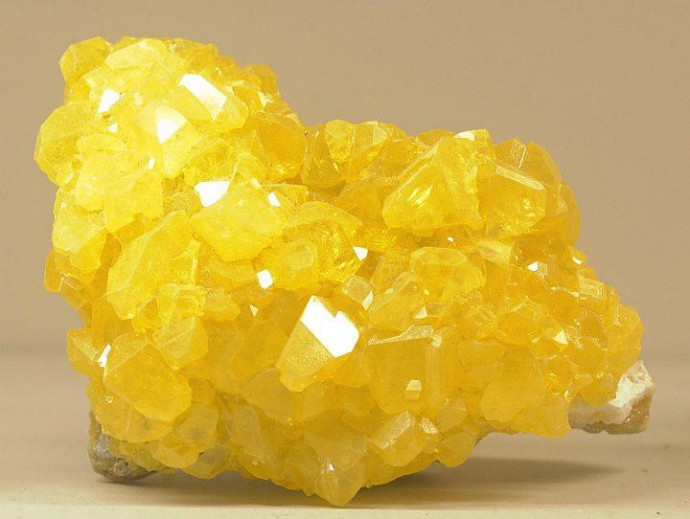
The situation with sulfur is actually pretty fascinating. Sulfur is incredibly abundant. It’s one of the most readily available elements on Earth, and it’s significantly cheaper than the materials used in lithium-ion batteries. This abundance and low cost are HUGE advantages. Think about it – the cost of raw materials is a major factor in the price of batteries, and sulfur’s low cost could lead to significantly cheaper batteries for consumers. But it’s not just about cost; sulfur also boasts a remarkably high theoretical energy density. This means that, in theory, a lithium-sulfur battery could store MUCH more energy in the same volume or weight compared to a lithium-ion battery. This is a game-changer for applications where maximizing energy density is crucial, like electric vehicles and grid-scale energy storage. However, there are significant challenges. The biggest hurdle is the notorious «shuttle effect.» During the charge and discharge cycles, intermediate polysulfides dissolve in the electrolyte and migrate between the cathode and anode. This leads to capacity fading and reduced battery lifespan. Researchers are working tirelessly to overcome this, exploring various strategies like using different electrolytes, modifying the cathode structure, and employing various additives to trap these polysulfides. It’s a complex problem, but the potential rewards are immense. We’re talking about potentially doubling, even tripling, the energy density of current lithium-ion technology.
Now, let’s look at some of the related news that’s been making waves in the industry. Recently, there have been several breakthroughs reported in scientific journals and industry publications. Companies are investing heavily in research and development, and we’re seeing promising results in terms of improved cycle life and energy density. For example, there have been reports of lithium-sulfur batteries achieving over FIVE HUNDRED charge-discharge cycles with minimal capacity degradation. This is a significant improvement compared to earlier iterations, and it brings us closer to the point where these batteries could become commercially viable. Of course, there are still hurdles to overcome before we see widespread adoption. Scaling up production to meet mass market demand is a significant challenge, and ensuring the safety and reliability of these batteries is paramount. But the progress being made is undeniable, and the news coming out of research labs and companies is increasingly positive. We’re seeing collaborations between universities, research institutions, and private companies, which is accelerating the pace of innovation. The buzz around lithium-sulfur batteries is real, and the potential for disruption in the energy storage market is substantial. Keep an eye on this space – it’s definitely one to watch.