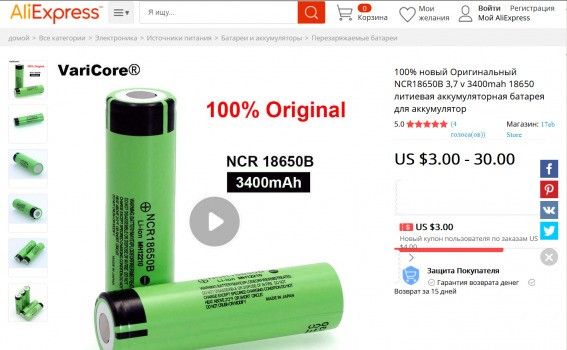
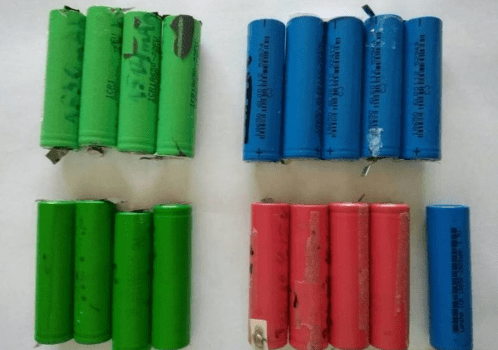
Okay, so last time we talked about the basics of lithium-ion batteries, and now let’s dive into some of the sneaky ways sellers try to rip you off. First up: false advertising. This is HUGE. You’ll see claims like «THREE THOUSAND milliamp-hour capacity» or «FIFTY percent more power,» but these numbers are often completely fabricated. They might use a tiny, low-quality cell and inflate the capacity to make it seem like a bargain. Always be skeptical of claims that seem too good to be true – because they usually are. Look for reputable sellers with verifiable testing data, not just flashy marketing. Don’t just rely on the product description; look for independent reviews and comparisons. If a deal seems too sweet, it probably is.
Next, let’s talk about used battery cells. This is a common practice, especially with cheaper batteries. Sellers might repackage and resell used cells from old laptops or power tools. These cells have already gone through a significant number of charge cycles, meaning their capacity is drastically reduced, and their lifespan is shortened. They might even be damaged internally, posing a fire hazard. There’s no easy way to tell if a battery is used just by looking at it, so it’s crucial to buy from reputable sources that guarantee new cells. Look for warranties and return policies – a good seller will stand behind their product.
Buying lithium-ion batteries on AliExpress can be a bit of a gamble. While you can find some great deals, you’re also significantly increasing your risk of getting a low-quality or even dangerous product. Many sellers on AliExpress are small, independent operations with little to no quality control. You’re essentially taking a chance, and the chances of receiving a faulty or misrepresented battery are much higher than buying from established brands or reputable retailers. Do your research, read reviews carefully, and be prepared for potential issues. If you do buy from AliExpress, make sure you understand the return policy and are prepared to deal with potential complications.
Now, let’s talk about the assembly of these batteries. Many cheap batteries are assembled without proper holders or protective casing. This is incredibly dangerous. The cells are simply bundled together, often with flimsy tape or shrink wrap. This lack of structure can lead to internal short circuits, overheating, and even fires. A quality battery will have a robust casing that protects the cells and prevents damage. Look for batteries with a solid, well-constructed case, not something that feels flimsy or cheap. A well-designed battery will also have proper insulation between the cells to prevent short circuits.
Finally, we have the issue of soldering cells. Improper soldering can damage the cells, leading to reduced capacity, overheating, and potential fire hazards. The heat from soldering can weaken the internal structure of the cell, compromising its performance and safety. If you’re buying pre-assembled batteries, look for ones that are professionally assembled, not just haphazardly soldered together. If you’re building your own batteries, make sure you understand the proper soldering techniques and use the right equipment. This is not a project for beginners; improper soldering can be extremely dangerous. If you’re unsure, it’s best to leave it to the professionals.
Okay, let’s dive right into this. One of the biggest ways lithium-ion battery sellers try to pull a fast one on you is by wildly overstating the stated service life. You’ll see claims of THOUSANDs of charge cycles, incredibly long lifespans, and promises that practically defy the laws of physics. Don’t fall for it! These numbers are often plucked from thin air, based on ideal laboratory conditions that rarely, if ever, reflect real-world usage. Think about it – extreme temperatures, inconsistent charging habits, and the general wear and tear of daily use all significantly impact a battery’s lifespan. Always approach these claims with a healthy dose of skepticism. Look for more conservative estimates, and remember that even those are just estimates. Real-world performance will vary.
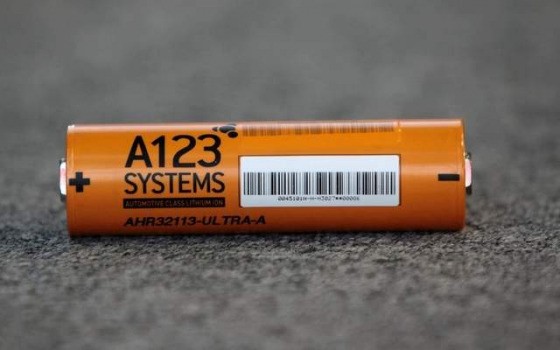
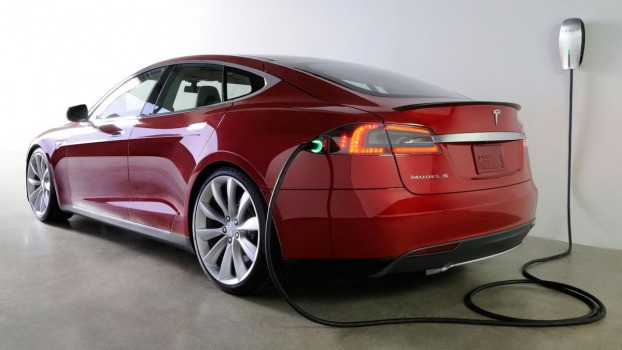
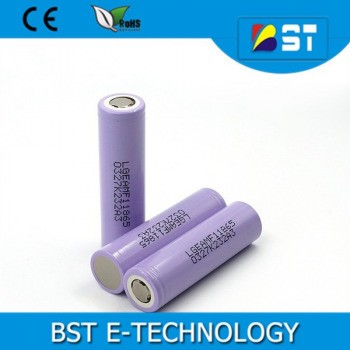
When you’re trying to choose a battery, a really smart move is to look at the manufacturers that supply electric cars. These companies are working with the highest-quality cells available, because their reputation and the safety of their customers are on the line. They’re not going to risk using cheap, unreliable batteries. By looking at the battery suppliers for major electric vehicle manufacturers, you’re getting a glimpse into the top tier of battery technology and reliability. It’s a great way to narrow down your choices and focus on brands with a proven track record. Of course, this doesn’t mean every battery from these manufacturers is perfect, but it significantly increases your chances of getting a high-quality product.
Another factor to consider is the popularity and reputation of the manufacturer in your country or region. A well-established brand with a strong presence in your area is more likely to have readily available customer support, warranty services, and potentially even easier access to replacement parts or repairs should something go wrong. A lesser-known brand, even if it claims to offer amazing specs, might leave you stranded if you encounter problems. Think about it – would you rather deal with a company with a local office and a responsive customer service team, or one that’s difficult to contact and offers limited support? The answer is pretty clear.
So, which manufacturer should you prefer? Honestly, there’s no single «best» answer. The ideal choice depends on your specific needs, budget, and the application for the battery. However, researching and comparing reputable brands that supply the automotive industry is a fantastic starting point. Look at reviews, compare specifications carefully (remembering to be wary of exaggerated claims!), and consider the overall reputation of the company. Don’t just focus on the price; prioritize quality and reliability. A slightly more expensive battery that lasts longer and performs better is almost always a better investment in the long run.
- Читайте также:
Now, let’s talk about the service life of lithium-ion batteries. It’s crucial to understand that this isn’t a fixed number. Factors like charging habits, temperature, and the overall quality of the battery itself all play a huge role. While some manufacturers might claim THOUSANDS of cycles, a more realistic expectation, depending on usage, might be somewhere in the range of FIVE HUNDRED to ONE THOUSAND cycles before you start seeing a significant degradation in performance. This doesn’t mean the battery is completely dead after that, but you might notice a shorter run time or a decrease in overall capacity. Keep in mind that even with proper care, lithium-ion batteries have a finite lifespan.
Finally, let’s touch on some related news and recent developments in the lithium-ion battery industry. Stay informed about advancements in battery technology, new manufacturing processes, and any recalls or controversies surrounding specific brands. Reading industry news and reviews can help you make more informed decisions and stay ahead of potential problems. Keep an eye out for articles discussing battery safety, performance improvements, and any emerging trends that might impact your choice. This ongoing research will help you stay informed and make the best possible decision when choosing your next lithium-ion battery.