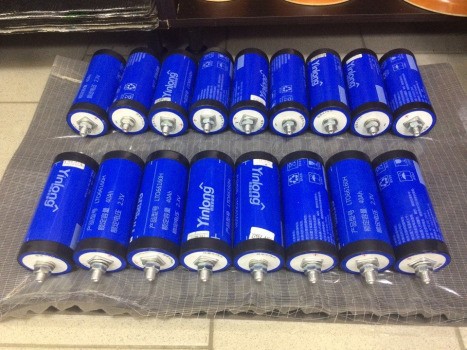
So, let’s dive into the fascinating world of lithium-titanate batteries! First, a little history. Believe it or not, the research into lithium-titanate (LTO) materials for battery applications actually started way back in the NINETEEN EIGHTIES. Early work focused on understanding the fundamental electrochemical properties of lithium titanate, exploring its potential as a promising anode material. However, it wasn’t until the early TWO THOUSANDs that we really started to see significant advancements and commercial applications emerge. This was largely driven by improvements in manufacturing techniques and a growing demand for safer and longer-lasting batteries, particularly in niche applications. The journey from initial research to widespread use highlights the iterative nature of technological development, showing how years of dedicated work can eventually lead to impactful innovations.
Now, let’s talk about how these batteries are designed and how they work. At the heart of an LTO battery is the lithium titanate (Li4Ti5O12) material, which serves as the anode. Unlike graphite, the common anode material in many lithium-ion batteries, lithium titanate has a unique crystalline structure that allows for exceptionally fast lithium-ion insertion and extraction. This is key to the battery’s performance. The cathode is typically made of a lithium metal oxide, such as lithium manganese oxide or lithium nickel manganese cobalt oxide. During discharge, lithium ions move from the anode (the lithium titanate) to the cathode through an electrolyte, generating an electric current. The process reverses during charging. The electrolyte is a crucial component, acting as a conductor for the lithium ions while preventing electron flow, ensuring the controlled movement of charge. The entire cell is then encased in a protective housing, often with additional safety features to prevent overheating or short circuits. The design is relatively simple, yet the interplay of these components is what makes LTO batteries so unique.
What makes LTO batteries so special? Well, there are several key advantages. First, and perhaps most importantly, they’re incredibly safe. The operating voltage of an LTO battery is relatively low, which significantly reduces the risk of thermal runaway – that dangerous overheating that can lead to fires or explosions. This makes them ideal for applications where safety is paramount. Second, they boast an exceptionally long cycle life. We’re talking THOUSANDS, even tens of THOUSANDS, of charge-discharge cycles before experiencing significant capacity fade. This longevity translates to a much longer lifespan compared to other battery chemistries. Third, they can handle incredibly high charge and discharge rates. This means they can be charged and discharged very quickly without compromising their performance or lifespan. This fast charging capability is a game-changer for many applications. Finally, they operate over a wide temperature range, making them suitable for use in various environments.
However, like any technology, LTO batteries also have some drawbacks. One significant disadvantage is their relatively lower energy density compared to other lithium-ion battery chemistries. This means they don’t pack as much energy into the same volume or weight. This limitation restricts their use in applications requiring high energy density, such as electric vehicles with long driving ranges. Another drawback is their higher cost compared to some other battery technologies. The manufacturing process of high-quality lithium titanate material can be more complex and expensive, leading to a higher overall battery cost. Finally, while their power density is high, allowing for fast charging, their energy density limitation means that even with fast charging, the total energy stored remains relatively lower than alternatives. Understanding these limitations is crucial for selecting the right battery technology for a specific application.
Hey everyone, let’s dive into the fascinating world of lithium-titanate batteries! These aren’t your average batteries; they’re special, and understanding their applications is key to appreciating their unique capabilities.
First off, where do we actually see these things in action? Well, lithium-titanate, or LTO, batteries are popping up everywhere you look, especially where safety and longevity are paramount. Think electric vehicles, particularly those needing rapid charging capabilities – buses, forklifts, and even some smaller electric cars are increasingly using LTO batteries because of their ability to withstand thousands of charge-discharge cycles without significant degradation. They’re also showing up in grid-scale energy storage systems, helping to stabilize power grids and integrate renewable energy sources like solar and wind. Their long lifespan and tolerance for high currents make them ideal for this demanding application. You’ll also find them in various stationary applications, like uninterruptible power supplies (UPS) for critical infrastructure, ensuring power remains available even during outages. And let’s not forget their use in medical devices and other sensitive electronics where reliability is absolutely crucial.
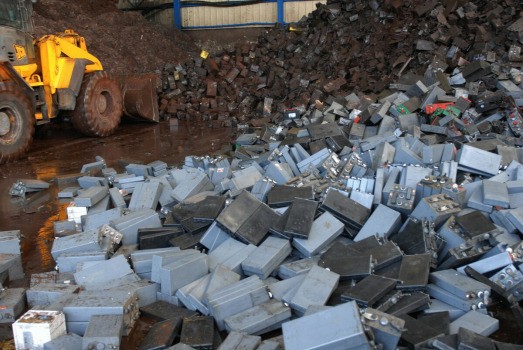
Now, let’s get into the nitty-gritty of how these batteries actually work and what happens at the end of their life. The magic of LTO batteries lies in their unique anode material, titanium dioxide (TiO2). Unlike graphite anodes found in many lithium-ion batteries, TiO2 offers exceptional safety and stability. This means they can handle much higher charging and discharging rates without overheating or degrading as quickly. They operate at a relatively low voltage, typically around TWO point FOUR volts per cell, which contributes to their safety profile. Disposal is relatively straightforward compared to some other battery chemistries. While they still contain valuable materials that can be recycled, the overall process is less complex and less hazardous due to the inherent stability of the LTO chemistry. Proper recycling is still crucial, of course, to recover valuable resources and prevent environmental contamination. Many battery recycling facilities are equipped to handle LTO batteries, and it’s always best to check with your local waste management authority for the most appropriate disposal method in your area.
So, who’s making these amazing batteries? A number of companies are involved in the manufacturing of LTO batteries, ranging from large multinational corporations to smaller specialized firms. The range of battery sizes and capacities available is also quite broad. You can find everything from small, button-cell-sized LTO batteries for specialized applications to much larger, high-capacity modules used in electric vehicles and energy storage systems. The specific capacity and power output will depend on the manufacturer and the intended application. It’s a dynamic market, so researching the latest offerings from different manufacturers is always a good idea.
Now, the burning question: where can you actually buy these things? Depending on the size and application, sourcing LTO batteries can vary. For smaller batteries, you might find them through online retailers specializing in electronics components or industrial supplies. Larger, high-capacity modules used in electric vehicles or energy storage systems are typically sourced directly from manufacturers or their authorized distributors. It’s important to do your research and ensure you’re purchasing from a reputable supplier to guarantee the quality and safety of the batteries. Always check reviews and certifications to ensure you’re getting a genuine and reliable product.
- Читайте также:
Finally, let’s touch on some of the latest news and developments in the world of LTO batteries. Recent advancements have focused on improving energy density, reducing costs, and enhancing performance. Researchers are constantly exploring new materials and manufacturing techniques to further optimize LTO battery technology. Keep an eye out for news and publications from leading research institutions and battery manufacturers to stay updated on the latest breakthroughs and innovations in this exciting field. There’s always something new happening, so staying informed is key!