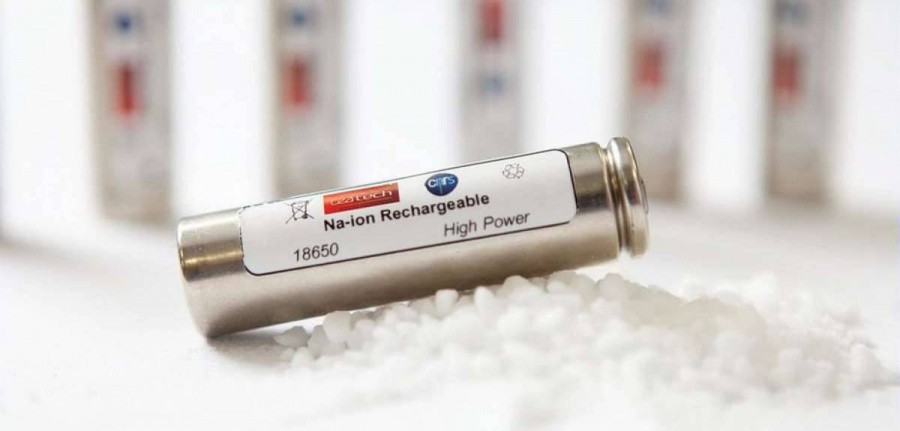
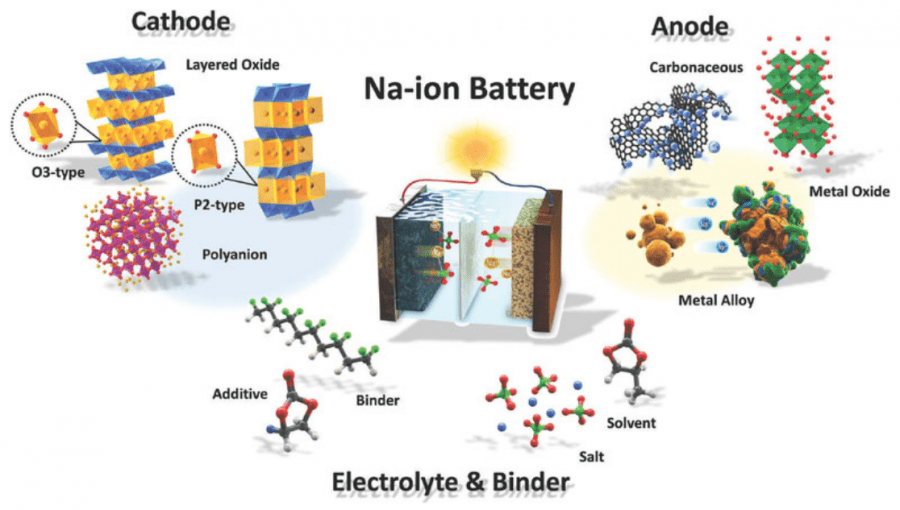
Hey everyone, let’s dive into the fascinating world of sodium-ion batteries! We’ve all heard about lithium-ion batteries, powering everything from our phones to electric cars. But what about their less-famous cousin, the sodium-ion battery? Let’s explore their development.
The development of sodium-ion batteries actually started quite a while ago, even before lithium-ion batteries became commercially viable. Scientists recognized early on that sodium, being incredibly abundant and readily available, offered a compelling alternative to lithium. Unlike lithium, which is geographically concentrated and requires extensive mining and processing, sodium is practically everywhere. You find it in seawater, salt deposits – it’s truly a resource that’s abundant and easily accessible. This inherent abundance promised a potentially cheaper and more sustainable battery technology. Early research focused on understanding the fundamental electrochemical properties of sodium and finding suitable electrode materials that could effectively store and release sodium ions. This involved a lot of experimentation with different materials, exploring various chemistries and structures to optimize performance. The progress, however, was slower than with lithium-ion, largely due to the inherent challenges associated with sodium’s larger ionic radius and its different electrochemical behavior. But persistent research eventually led to significant breakthroughs, paving the way for the development of practical sodium-ion batteries. We’ve seen a surge in research and development in recent years, driven by the need for more sustainable and cost-effective energy storage solutions.
Now, let’s talk about some of the problems that have plagued sodium-ion battery technology. While the abundance of sodium is a huge advantage, it also presents some significant challenges. One major hurdle is the lower energy density compared to lithium-ion batteries. Sodium ions are larger than lithium ions, meaning they require more space to move within the battery’s structure. This translates to a lower amount of energy that can be packed into the same volume. This is a significant drawback, especially for applications where high energy density is crucial, like electric vehicles. Another challenge lies in finding suitable electrode materials that can withstand the repeated insertion and extraction of sodium ions without degrading significantly. Sodium’s larger size and higher reactivity can lead to structural instability in the electrodes, resulting in capacity fade and reduced lifespan. Researchers are actively working on addressing this by developing new materials with improved structural stability and electrochemical performance. Furthermore, the development of suitable electrolytes that can efficiently transport sodium ions while maintaining good safety characteristics is also a key area of ongoing research. The electrolytes need to be stable, safe, and efficient to ensure optimal battery performance and prevent potential hazards. These are some of the key challenges that the field is actively working to overcome. The good news is that significant progress is being made, and we’re seeing improvements in energy density, cycle life, and overall performance of sodium-ion batteries every year.
Hey everyone, let’s dive into the exciting world of sodium-ion batteries! We’ve all heard whispers of the «miracle battery,» that perfect energy storage solution that will revolutionize everything from our phones to electric vehicles. While we haven’t quite reached that utopian ideal yet, sodium-ion batteries are looking increasingly promising as a strong contender.
So, what makes the prospect of sodium-ion batteries so compelling? Well, unlike their more established lithium-ion cousins, sodium is incredibly abundant. It’s literally everywhere! This abundance translates directly into lower costs. Think about it – the price of lithium has been fluctuating wildly, impacting the affordability of lithium-ion batteries. Sodium, on the other hand, offers a much more stable and predictable pricing structure. This makes sodium-ion batteries a potentially much more accessible and sustainable energy solution for a wider range of applications. We’re talking about potentially slashing the cost of electric vehicles, making them a realistic option for a much larger segment of the population. And that’s a huge step towards a greener future.
Beyond cost, the performance of sodium-ion batteries is also improving rapidly. While they might not yet match the energy density of lithium-ion batteries, meaning they might not pack quite as much power into the same size, the gap is closing. Researchers are constantly developing new materials and refining existing technologies to boost their performance. We’re seeing significant advancements in cathode and anode materials, leading to higher energy densities and faster charging times. This means that the limitations of sodium-ion batteries are becoming less and less significant as technology progresses. The improvements are happening at a remarkable pace, and we can expect even more breakthroughs in the coming years. This isn’t just theoretical; we’re seeing real-world progress in labs and pilot programs around the globe.
Now, let’s talk about some of the recent news and developments in the sodium-ion battery field. Just recently, a major battery manufacturer announced a significant investment in a new sodium-ion battery production facility. This is a huge indicator of the growing confidence in the technology and its potential for widespread adoption. There have also been several publications in leading scientific journals detailing breakthroughs in improving the lifespan and charging speed of sodium-ion batteries. These advancements are not just incremental improvements; they represent significant leaps forward in the technology’s capabilities. We’re seeing a growing number of companies entering the market, further fueling innovation and competition. This is a dynamic and exciting field, and the pace of development is truly remarkable. The news is consistently positive, suggesting that sodium-ion batteries are poised to play a significant role in the future of energy storage. Keep your eyes peeled for more exciting developments – this is a space to watch closely!