Okay, let’s dive into the world of batteries! We’re talking about the difference between starter batteries and traction batteries. These two types of batteries might look similar on the outside, but their inner workings and intended uses are vastly different.
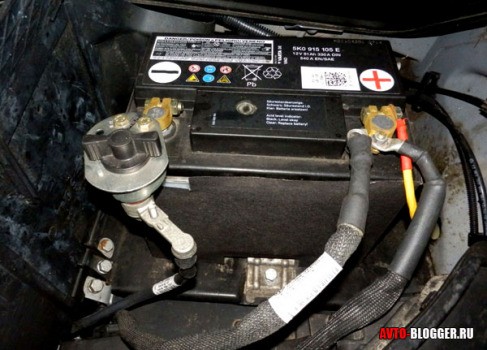
First, let’s talk about starter batteries. These are the workhorses that get your car, truck, or motorcycle going. Their primary job is to deliver a HUGE burst of power for a very short period – just long enough to crank the engine and get it started. Think of it like a powerful, short sprint. They’re designed to provide a very high current for a few seconds, then recharge slowly over time as you drive. The typical starter battery you’ll find in your car is a lead-acid battery, usually around TWELVE volts, and they’re designed to withstand many cycles of this high-current discharge and recharge. The capacity of a starter battery is usually measured in Amp-hours (Ah), and you’ll typically find them ranging from FORTY to ONE HUNDRED Ah, depending on the size of the engine and the vehicle. They’re built to be robust and handle the vibrations and jolts of a running engine. They’re not designed for deep discharges; draining them too much can significantly shorten their lifespan. Think of it like this: they’re built for short bursts of intense power, not for sustained, long-term energy delivery.
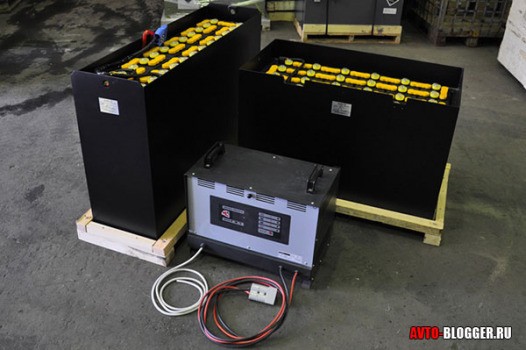
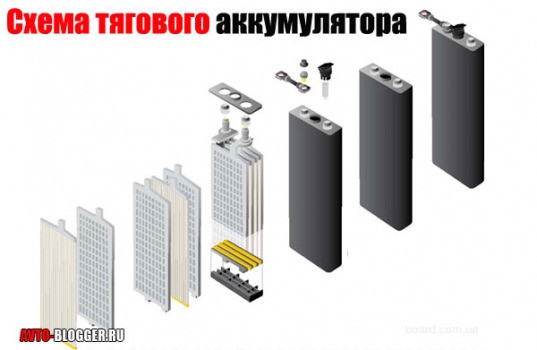
Now, let’s shift gears and talk about traction batteries. These are a completely different beast. Unlike starter batteries, traction batteries are designed for sustained power delivery over extended periods. Think of them as marathon runners, not sprinters. They’re the power source for electric vehicles, forklifts, golf carts, and other applications that require a consistent supply of power for a longer duration. These batteries are often much larger and heavier than starter batteries, and they’re built to withstand many more charge-discharge cycles. The capacity of traction batteries is significantly higher, often measured in hundreds or even thousands of Amp-hours. You’ll find various chemistries used in traction batteries, including lead-acid (though often a different type than starter batteries), nickel-cadmium, nickel-metal hydride, and increasingly, lithium-ion. Lithium-ion batteries are becoming increasingly popular due to their high energy density, longer lifespan, and faster charging times. They’re also more expensive, but the advancements in technology are constantly driving down the cost. The key difference here is that traction batteries are designed to handle deep discharges and repeated cycles without significant performance degradation. They’re built to provide a consistent flow of power for hours, even days, depending on the application and battery size.
How are traction batteries different? Well, we’ve already touched on some key differences, but let’s summarize. The most significant difference lies in their intended use and design. Starter batteries are built for short bursts of high power, while traction batteries are designed for sustained power delivery over extended periods. This difference translates into variations in their construction, chemistry, capacity, and overall lifespan. Traction batteries are generally larger, heavier, and more expensive, but they offer significantly higher capacity and a longer lifespan when used within their design parameters. They also often incorporate sophisticated battery management systems (BMS) to monitor voltage, current, and temperature, ensuring optimal performance and safety. Understanding these differences is crucial when choosing the right battery for a specific application. Choosing the wrong type of battery can lead to poor performance, reduced lifespan, and even safety hazards.
Okay, let’s dive into the fascinating world of batteries! Specifically, let’s talk about the difference between traction batteries and starter batteries. These two types of batteries might seem similar at first glance – they both store and release electrical energy – but they’re designed for very different purposes, and understanding those differences is key.
First, let’s explore traction battery technologies. Traction batteries are designed to provide power for extended periods, often powering electric vehicles, forklifts, or other heavy-duty equipment. They need to withstand deep discharges and numerous charge-discharge cycles without significant degradation. There are several technologies used in traction batteries, each with its own strengths and weaknesses. We have Lead-Acid batteries, which are a mature technology, relatively inexpensive, and readily available, but they’re also heavier and have a shorter lifespan compared to other options. Then there are Nickel-Cadmium (NiCd) batteries, known for their high power density and ability to handle deep discharges, but they suffer from the memory effect and contain toxic materials. Nickel-Metal Hydride (NiMH) batteries offer improved energy density and lack the memory effect of NiCd, making them a better environmental choice, but they still don’t match the energy density of Lithium-ion. And finally, we have Lithium-ion batteries, the current king of the hill. They boast the highest energy density, meaning they can pack a lot of power into a smaller and lighter package. They also have a longer lifespan and faster charging times, making them ideal for electric vehicles and other applications requiring high performance. However, they are generally more expensive than other technologies and can be sensitive to temperature extremes. Choosing the right traction battery technology depends heavily on the specific application and its requirements.
Now, let’s consider whether you can swap a traction battery for a starter battery, or vice versa. The short answer is: generally, no. A starter battery is designed for short bursts of incredibly high power to crank an engine. They’re built to deliver a large current for a short period, then quickly recharge. Traction batteries, on the other hand, are optimized for sustained power delivery over longer periods. Trying to use a traction battery to start a car would likely result in failure; it simply wouldn’t be able to deliver the necessary surge of power. Conversely, using a starter battery in a situation requiring sustained power delivery, like powering an electric forklift, would quickly drain the battery and potentially damage it. The internal construction, chemistry, and design parameters are fundamentally different, making them unsuitable for each other’s applications. Think of it like trying to use a hammer to screw in a screw – you might technically be able to do it, but it’s inefficient, ineffective, and could damage both the tool and the material.
Finally, let’s touch on some related news. The advancements in battery technology are constantly evolving, with ongoing research focusing on improving energy density, lifespan, safety, and cost-effectiveness. We’re seeing significant breakthroughs in solid-state batteries, which promise even greater energy density and improved safety compared to current Lithium-ion technology. This is a rapidly changing field, so staying updated on the latest developments is crucial for anyone involved in the automotive, industrial, or energy storage sectors. Keep an eye out for news on advancements in battery management systems, which are equally important for optimizing battery performance and lifespan. These systems play a crucial role in ensuring the safe and efficient operation of both traction and starter batteries.

- Читайте также: