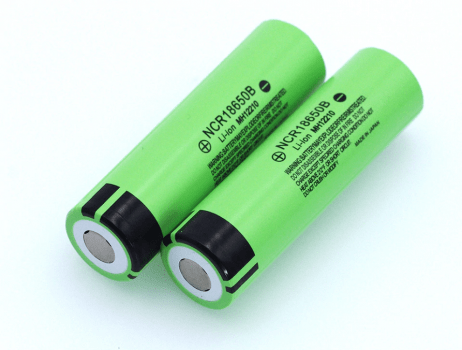
Okay, let’s dive right into it! First, what do those numbers «ONE EIGHT SIX FIVE ZERO» actually mean when we’re talking about an ONE EIGHT SIX FIVE ZERO lithium-ion battery? Well, it’s a simple code. «ONE EIGHT» refers to the diameter of the battery in millimeters – that’s EIGHTEEN millimeters. «SIX FIVE» tells us the length of the battery, also in millimeters – SIXTY-FIVE millimeters. So, you’ve got a cylindrical battery that’s EIGHTEEN millimeters wide and SIXTY-FIVE millimeters long. Pretty straightforward, right?
Now, let’s get to the main event: checking the capacity of your ONE EIGHT SIX FIVE ZERO lithium-ion battery. This isn’t something you can do with just a quick glance. You can’t just look at it and know how much juice it’s got left. We need some tools, and a bit of know-how. The most accurate way to check the capacity is using a specialized piece of equipment, and I’m going to show you how to do it with an iMax B6 smart charger. This charger isn’t just for charging; it can actually test the capacity of your battery, giving you a precise measurement of how many milliampere-hours (mAh) it can deliver. We’ll go through the process step-by-step in the video, so you can follow along easily. It’s a really useful tool to have if you work with these batteries regularly.
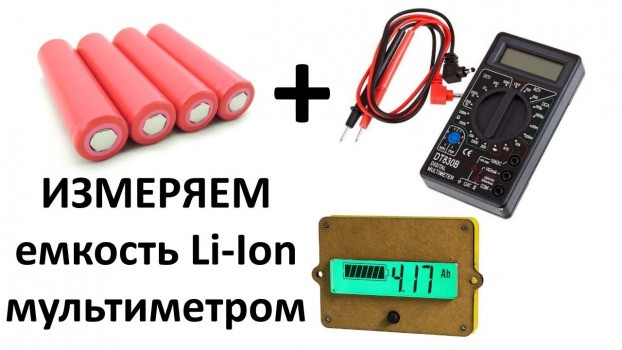
Before we get into using the iMax B6, let’s talk about what you need to diagnose the health of your electric battery. Besides the iMax B6, you’ll also need a multimeter. This is a fundamental tool for anyone working with electronics, and it’s essential for getting a basic understanding of your battery’s condition. We’ll use it to check the voltage, which gives us a quick indication of the battery’s charge level. A low voltage suggests a low charge, but it doesn’t tell the whole story about the battery’s overall capacity. That’s where the iMax B6 comes in. It’s the key to getting a truly accurate reading.
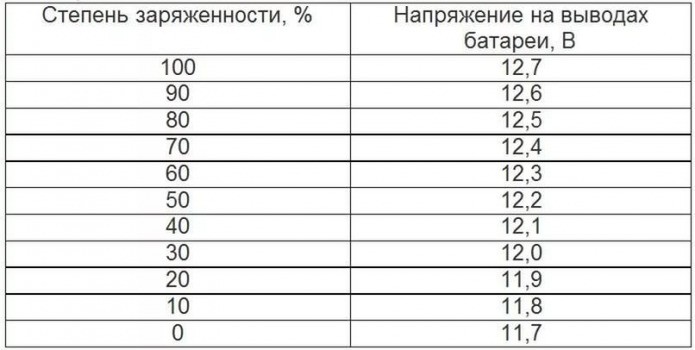
So, how do we measure the ONE EIGHT SIX FIVE ZERO battery voltage with a multimeter? It’s pretty simple. First, make sure your multimeter is set to the correct voltage range – usually DC voltage, and you’ll want a range that’s higher than the expected voltage of your ONE EIGHT SIX FIVE ZERO battery, which is typically around THREE point SEVEN volts. Then, carefully connect the positive lead of your multimeter to the positive terminal of the battery and the negative lead to the negative terminal. The multimeter will display the voltage. Remember to be careful when handling the battery and multimeter to avoid any short circuits or accidental shocks. Always double-check your connections before taking a reading. A simple voltage check is a good first step, but remember, it only gives you a snapshot of the current charge level, not the overall capacity. For that, we need the iMax B6. We’ll cover that in detail in the video.
Hey everyone, let’s dive into how you can check the capacity of your ONE EIGHT SIX FIVE ZERO lithium-ion battery using just a multimeter. Now, I know what you’re thinking – a multimeter isn’t going to give you a precise capacity reading like a dedicated battery analyzer would. You’re absolutely right. But it can give you a good indication of the battery’s health and whether it’s worth keeping around or needs replacing. We’re going to focus on indirect methods here, looking at things that correlate strongly with capacity.
First, let’s talk about measuring the internal resistance. This is a crucial indicator of a battery’s overall condition. High internal resistance means the battery is struggling to deliver current, which directly impacts its capacity. To measure this, you’ll need a multimeter capable of measuring resistance in milliohms. Make sure your battery is at a relatively stable voltage – ideally, somewhere around THREE point SEVEN volts. Then, simply connect the multimeter leads across the positive and negative terminals of the ONE EIGHT SIX FIVE ZERO cell. The reading you get is the internal resistance. A lower reading is better; anything above ONE HUNDRED milliohms is generally considered high and suggests the battery is degrading. Remember to be gentle when connecting the probes to avoid short circuits.
Next, let’s look at leakage current. This is the small current that flows even when the battery isn’t actively discharging. A high leakage current indicates a problem within the battery’s internal chemistry, again impacting its overall capacity. To measure this, you’ll need to set your multimeter to measure current in microamps. Disconnect the battery from any load, and then connect your multimeter in series with the battery. The reading you get is the leakage current. Ideally, this should be very low, in the microamp range. Anything significantly higher suggests a problem. Remember, safety first! Always disconnect the battery from any circuit before making these measurements.
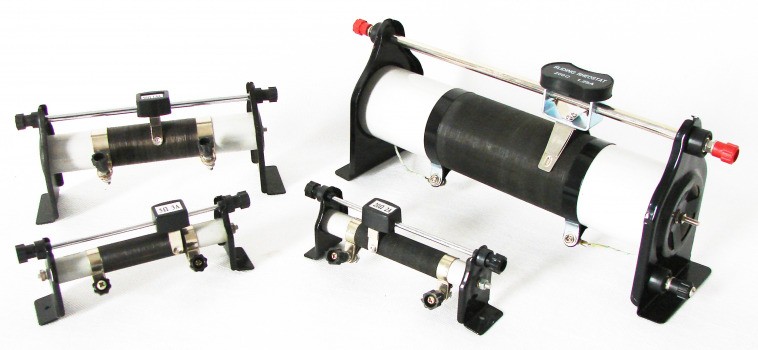
Now, measuring the charge of the battery without causing any damage is tricky with just a multimeter. We can’t directly measure capacity, but we can get a good idea by measuring the voltage under load. This is where a simple load resistor comes in handy. You can use a resistor with a known resistance, say, TEN ohms, and connect it across the battery terminals. Monitor the voltage drop across the resistor using your multimeter. The rate at which the voltage drops gives you an indication of the battery’s capacity. A healthy battery will maintain a relatively stable voltage for a longer period under load compared to a degraded one. Remember to choose a resistor with a wattage rating high enough to handle the power dissipation. This method isn’t precise, but it provides a useful comparison between batteries.
Finally, let’s address the differences in diagnosing EVs versus other devices. While the principles of measuring internal resistance, leakage current, and voltage remain the same, the scale and complexity are vastly different. EV batteries are massive systems with hundreds or even thousands of individual cells. Diagnosing problems requires specialized equipment and expertise. You wouldn’t attempt to diagnose an EV battery with just a multimeter; you’d need sophisticated battery analyzers and diagnostic tools. The methods we discussed are suitable for individual ONE EIGHT SIX FIVE ZERO cells, not entire EV battery packs. Attempting to use these methods on an EV battery pack could be dangerous and potentially damaging.
- Читайте также: