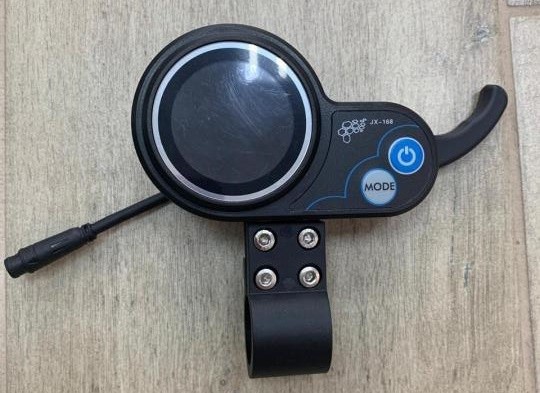
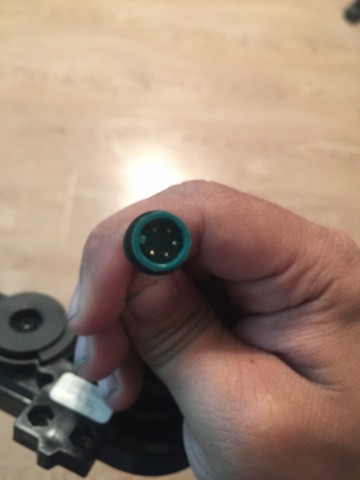
Let’s dive right into the world of trigger computers, starting with the JX-ONE SIXTY-EIGHT. This model, while functional, has its quirks. We’ll be looking at some of the common bugs and flaws reported by users, focusing particularly on the issues associated with the U-TWO-ZERO-NINE firmware. We’ll cover specific error messages, troubleshooting steps, and workarounds that have proven effective. Remember to always check your connections! Speaking of connections, let’s move on to the connector pinout for the JX-ONE SIXTY-EIGHT. We’ll go through each pin, explaining its function and what happens if there’s a problem with that specific connection. We’ll also show you some diagrams to make it easier to understand. This is crucial for proper setup and troubleshooting. Finally, for the JX-ONE SIXTY-EIGHT, we’ll discuss firmware updates. We’ll explore the different firmware versions available, their respective advantages and disadvantages, and how to safely update your unit without causing further issues. We’ll also discuss the importance of backing up your settings before any firmware update.
Now, let’s shift our focus to the TF-ONE HUNDRED. This is a popular model, and for good reason. But even popular devices have their problems. We’ll cover the settings in detail, explaining each parameter and how adjusting them can affect your system’s performance. We’ll go through the menu navigation, showing you exactly how to access and modify these settings. We’ll also discuss some common pitfalls to avoid. Next, we’ll tackle the bugs and flaws associated with the TF-ONE HUNDRED. We’ll cover the most frequently reported issues, providing solutions and workarounds where possible. We’ll also discuss potential causes for these problems and preventative measures you can take.
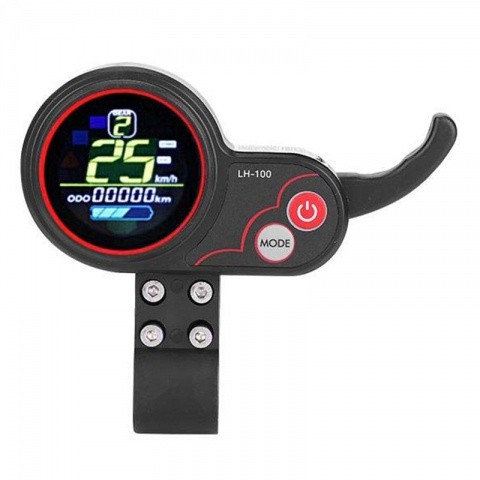
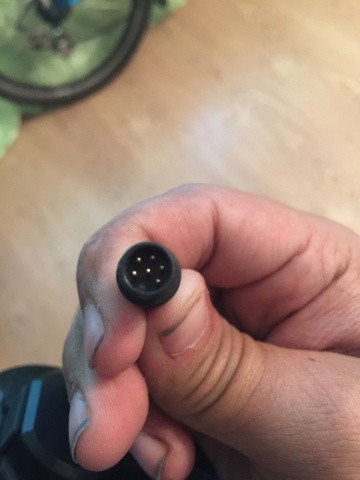
Finally, we’ll examine the LH-ONE HUNDRED. This model has a slightly different approach to connectivity, particularly when it comes to lighting fixtures. We’ll focus on the lighting fixture connector, explaining its pinout and how it differs from the other models we’ve discussed. We’ll also show you how to correctly connect various types of lighting fixtures to the LH-ONE HUNDRED, ensuring compatibility and preventing damage. We’ll cover some common connection errors and how to troubleshoot them. We’ll also discuss the importance of using the correct cables and connectors to avoid problems.
Hey everyone, let’s dive into the world of trigger computers! We’re going to be looking at the TF-ONE HUNDRED and some of its close relatives, exploring their features, pinouts, common errors, and how to adjust their settings.
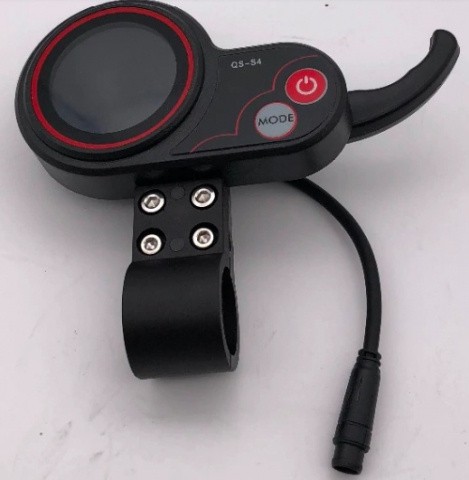
First up, we’ve got the QS-S FOUR. This is a popular model, known for its reliability and ease of use. We’ll be examining its key specifications, showing you exactly what makes it tick. We’ll cover things like its operating voltage range, the types of triggers it supports, and its overall performance characteristics. We’ll also take a close look at its physical layout, pointing out any important features or quirks you should be aware of.
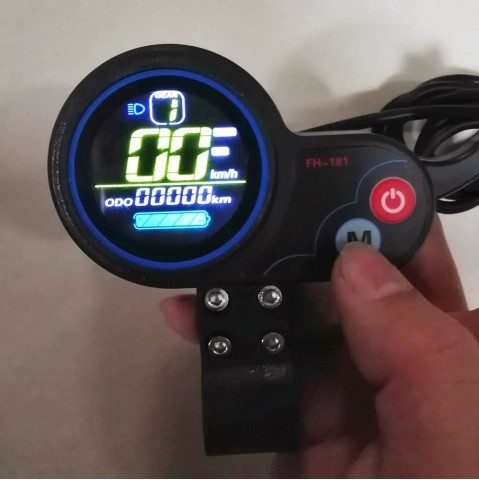
Next, we’ll move on to the FH-ONE EIGHTY-ONE. This one’s a bit different. It boasts some unique features not found in the QS-S FOUR, so we’ll spend some time comparing and contrasting the two. We’ll focus on the areas where they differ most significantly, highlighting the advantages and disadvantages of each. We’ll also look at some real-world examples of how each model performs in different scenarios.
Then there’s the CZK-ONE HUNDRED. This model is often considered a budget-friendly alternative, but that doesn’t mean it’s lacking in features. We’ll explore its capabilities, comparing them to the more expensive options we’ve already discussed. We’ll pay close attention to its limitations, so you know what to expect before you buy.
The V EIGHT NINETY-NINE is another interesting contender. It’s known for its compact size and its impressive power output. We’ll delve into the specifics of its design, explaining why it’s so popular among certain users. We’ll also discuss any potential drawbacks associated with its smaller form factor.
And finally, let’s not forget the GT-ONE HUNDRED. This model offers a unique blend of features and performance, making it a strong competitor in the market. We’ll compare its strengths and weaknesses against the other models we’ve covered, helping you decide which one might be the best fit for your needs.
- Читайте также:
Now, let’s talk about that dual-pin connector for the illuminator. This is a crucial component, and understanding how it works is essential for proper operation. We’ll show you exactly how to connect it, and what to look out for to avoid common mistakes.
We’ll also be taking a look at some «no name» computer hookups. These are often cheaper alternatives, but it’s important to understand their limitations and potential risks. We’ll show you what to look for when choosing a less-expensive option, and how to avoid potential problems.
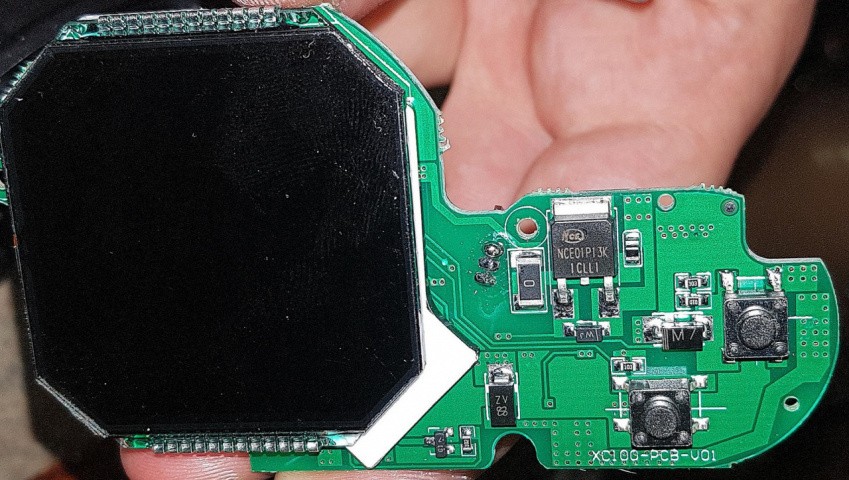
Next, we’ll tackle the controllers’ screen pinout. This is a critical aspect of understanding how these systems work, and we’ll provide a clear and concise explanation of each pin’s function. We’ll also show you how to interpret the information displayed on the screen, helping you troubleshoot any issues that may arise.
Finally, let’s discuss the M TWO EIGHTEEN A controller. This is a powerful controller, and we’ll explore its capabilities and how it interacts with the trigger computers we’ve already discussed. We’ll cover its key features and how to use them effectively.
And to wrap things up, we’ll cover error codes. We’ll go through common error codes for the TF-ONE HUNDRED, LH-ONE HUNDRED, JX-ONE SIXTY-EIGHT, QS-S FOUR, and other models. We’ll explain what each code means and how to troubleshoot the corresponding issues. We’ll provide practical tips and tricks to help you diagnose and resolve these problems quickly and efficiently.