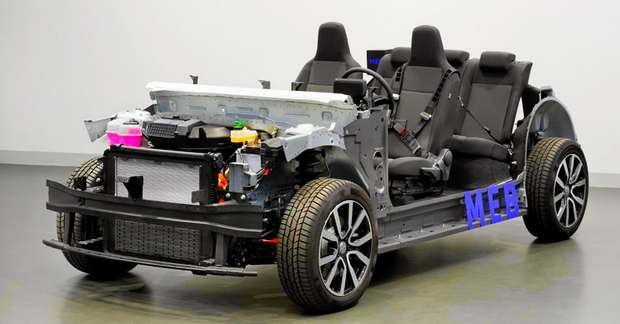
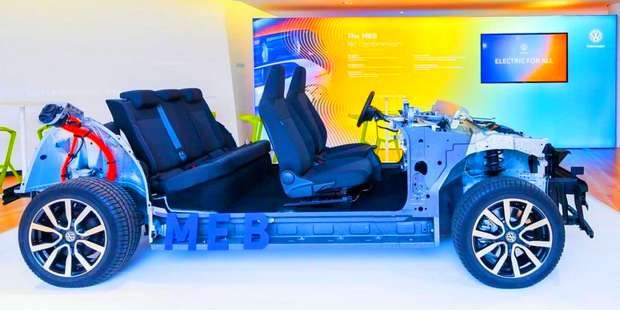
Hey everyone, let’s dive into Volkswagen’s MEB platform – a game-changer in the world of electric vehicles. This isn’t just another electric car platform; it’s the first mass-produced electric platform designed specifically for EVs from the ground up. That means Volkswagen didn’t just adapt an existing gasoline car chassis; they built this one with electric vehicles in mind from the very beginning. This approach allows for optimal design choices, maximizing efficiency and minimizing wasted space. Think of it as a dedicated blueprint for electric cars, leading to better performance, range, and overall design. This is a huge step forward, paving the way for more affordable and accessible electric vehicles for everyone.
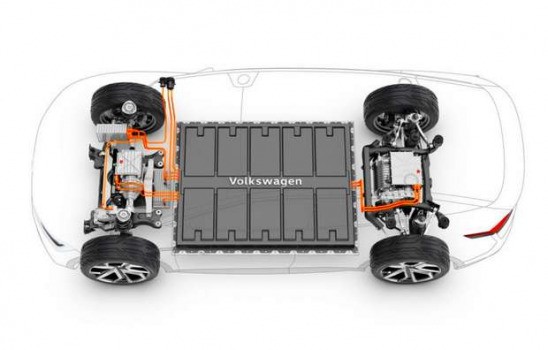
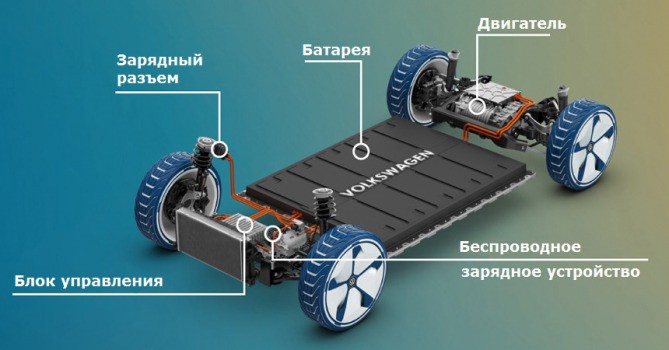
Now, let’s talk about the batteries that power these MEB vehicles. Volkswagen uses a variety of battery pack configurations within the MEB platform, offering different range options depending on the specific model. These batteries are strategically integrated into the vehicle’s architecture, lowering the center of gravity for improved handling and stability. The battery packs themselves are designed for longevity and safety, incorporating advanced thermal management systems to prevent overheating and extend their lifespan. The size and capacity of the battery pack are carefully considered to balance range, performance, and overall vehicle weight. Volkswagen is constantly innovating in this area, aiming for higher energy density and faster charging times in future iterations of the MEB platform. This means you can expect to see even better range and faster charging capabilities in upcoming MEB-based vehicles.
Next, let’s explore the MEB drive type. The platform is incredibly versatile, supporting both front-wheel drive and all-wheel drive configurations. This flexibility allows Volkswagen to offer a wide range of vehicles, from compact city cars to larger SUVs, all built on the same fundamental platform. The modularity of the MEB platform is a key advantage, simplifying manufacturing and reducing costs. This means that the same basic platform can be adapted to suit a variety of vehicle types and sizes, making it a highly efficient and cost-effective solution for mass production. This scalability is a major factor in Volkswagen’s ability to bring affordable electric vehicles to the market.
Finally, let’s discuss the electric motors used in MEB vehicles. Volkswagen employs TWO types of electric motors within the MEB platform. You’ll find both permanent magnet synchronous motors and asynchronous motors, each offering its own set of advantages. Permanent magnet motors are known for their high efficiency and power density, making them ideal for performance-oriented vehicles. Asynchronous motors, on the other hand, are often more robust and less expensive to produce, making them a suitable choice for more budget-friendly models. The choice of motor type depends on the specific vehicle and its intended performance characteristics. This dual-motor approach allows Volkswagen to cater to a wider range of customer needs and preferences, offering a variety of performance and price points within the MEB platform. This flexibility is a testament to the platform’s versatility and its potential to revolutionize the electric vehicle market.
Hey everyone, let’s dive deep into the Volkswagen MEB platform, the backbone of their electric vehicle revolution. First up, we’ll talk about the ingenious liquid cooling system. This isn’t your grandpappy’s radiator! Volkswagen uses a sophisticated liquid cooling system for all the key components, not just the battery. Think about it – the electric motors, the power electronics, even the battery itself – all kept at optimal temperatures. This is crucial. Why? Because consistent temperature management significantly improves the performance and longevity of these components. Overheating is the enemy of efficiency and lifespan, and the MEB platform actively combats this with its precise thermal management. We’re talking about maximizing range, boosting performance, and ensuring your EV stays healthy for years to come. It’s a system designed for efficiency and reliability, a key differentiator in the EV market. The precision of this system is remarkable; it’s not just about cooling, it’s about actively regulating temperature to maintain peak performance in all conditions.
Next, let’s talk about charging. The MEB platform is designed for fast charging. We’re not talking about a slow trickle charge here; we’re talking about adding significant range in a relatively short amount of time. The architecture of the platform itself is optimized for rapid energy transfer. This means you can get back on the road quicker, reducing downtime and maximizing your EV experience. The charging infrastructure is constantly evolving, and the MEB platform is designed to keep pace with, and even anticipate, future advancements in charging technology. Volkswagen has clearly invested heavily in making sure their MEB-based vehicles are ready for the fast-charging future. They’ve considered everything from the battery chemistry to the onboard charging system to ensure seamless and efficient charging. This isn’t just about speed; it’s about convenience and peace of mind.
Now, let’s shift gears and discuss the body, interior, and software of vehicles built on the MEB platform. The modularity of the MEB platform is a game-changer. It allows Volkswagen to create a diverse range of vehicles – from compact hatchbacks to larger SUVs – all sharing the same fundamental architecture. This translates to cost-effectiveness and efficiency in production, but it doesn’t compromise on design flexibility. The interior design can be tailored to different models and target audiences, offering a wide variety of options and features. Think about the spaciousness you get in an ID.4, for example, compared to a smaller ID.3 – both built on the same platform. And the software? Volkswagen is investing heavily in its software capabilities, integrating advanced driver-assistance systems and infotainment features. Over-the-air updates are becoming increasingly common, meaning your vehicle’s software is constantly being improved and updated, adding new features and enhancing performance over time. This is a key aspect of the modern EV ownership experience, and the MEB platform is designed to support this ongoing evolution.
Finally, let’s touch on some related news. The MEB platform isn’t just for Volkswagen; it’s being utilized by other brands within the Volkswagen Group, showcasing its versatility and scalability. This collaborative approach allows for economies of scale and accelerates the adoption of electric vehicles across the market. There’s been a lot of positive feedback on the platform’s performance and efficiency, and ongoing development continues to refine and improve its capabilities. Keep an eye out for future announcements and updates regarding the MEB platform and its continued evolution within the automotive landscape. It’s a testament to Volkswagen’s commitment to electric mobility and a significant player in the future of the automotive industry.

- Читайте также: