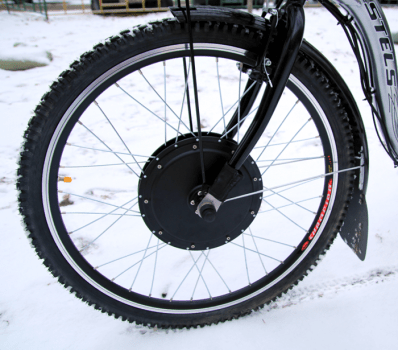
So, let’s dive right into getting your electric bike winter-ready. First up, we need to talk about the wheels. Winter brings a whole new set of challenges for your tires. The most obvious is traction. Ice and snow dramatically reduce grip, making even the slightest incline a potential hazard. Consider swapping out your standard tires for winter-specific ones. These often feature deeper treads and a more aggressive pattern designed to bite into snow and ice. Don’t just think about the tread depth though; the rubber compound itself is crucial. Winter tires use a softer rubber that stays pliable even in freezing temperatures, providing better grip than summer tires that harden and become brittle in the cold. Also, think about tire pressure. Slightly lower pressure can increase the contact patch with the ground, improving traction, especially on slick surfaces. But don’t go too low, or you’ll risk damaging your rims or experiencing excessive rolling resistance. Experiment to find the sweet spot for your tires and riding conditions. And remember, even with winter tires, you’ll need to ride more cautiously in winter conditions.
Next, let’s move on to the powertrain and battery. Cold temperatures significantly impact battery performance. Lithium-ion batteries, commonly used in e-bikes, lose capacity in the cold. You’ll likely see a noticeable reduction in range, meaning you won’t be able to travel as far on a single charge. To mitigate this, try to keep your battery as warm as possible. If you have a garage or a heated space, store your battery there when not in use. Before a ride, bringing the battery inside to warm up for a bit can also help. Avoid completely draining the battery, as this can further reduce its lifespan in cold weather. And speaking of lifespan, extreme cold can accelerate the degradation of your battery over time. So, be mindful of these factors. Regarding the powertrain itself, cold temperatures can also thicken lubricants, making shifting less smooth. Consider using a lubricant specifically designed for low temperatures. This will help keep your drivetrain running smoothly, even when the mercury plummets. Regular cleaning and lubrication are even more important in winter, as salt and grime from the roads can accelerate wear and tear.
Now, here’s a crucial question that often gets overlooked: is it even worth using your e-bike in freezing temperatures? This is a personal decision, and the answer depends on several factors. Your comfort level is paramount. Riding in freezing temperatures can be uncomfortable, even dangerous, if you’re not properly dressed. Consider the distance you need to travel. If your commute is short, the inconvenience might be manageable. But if you have a long distance to cover, the reduced battery range and increased risk of mechanical issues might make it impractical. The condition of the roads is another major factor. If roads are icy or covered in heavy snow, riding an e-bike, even with winter tires, can be extremely risky. Finally, consider your own physical fitness and experience. Riding in challenging conditions requires more skill and stamina. If you’re not confident in your abilities, it’s best to avoid riding in severe winter weather. Ultimately, the decision of whether or not to ride your e-bike in winter is a personal one, weighing the convenience against the risks and challenges involved.
Okay, let’s talk about riding your e-bike in winter. It’s not as simple as hopping on and going, believe me. There are some serious considerations, especially when it comes to safety and keeping your bike in good working order.
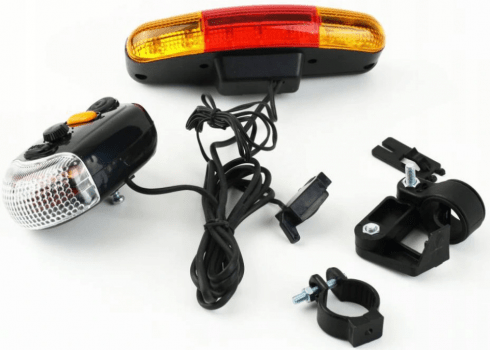
First up: lighting. In winter, the days are shorter, and it gets dark early. Your standard e-bike lights might not be enough. Think about upgrading to something brighter, maybe even adding extra lights. A good front light with a wide beam is essential, and a bright rear light is just as important to be seen by drivers. Consider lights that are visible from the sides too – those little extra lights can make a HUGE difference in low-light conditions. Don’t skimp on this; your safety depends on it.
Next, let’s talk fenders. If you don’t have fenders on your e-bike, winter is the time to get them. Seriously. The amount of spray and muck kicked up by your wheels in wet conditions is unbelievable. You’ll be soaked from the ankles up without them. And that’s not just uncomfortable; it’s dangerous. Wet clothes can make you cold, which can affect your reaction time and your overall riding ability. Invest in good quality, full-coverage fenders. You won’t regret it.
Preparation before departure is key. Before you even think about turning on your e-bike, check your tires. Are they properly inflated? Winter conditions often mean lower temperatures, which can affect tire pressure. Under-inflated tires are dangerous, especially on slick surfaces. Check your brakes – are they working effectively? Winter conditions can make braking distances longer, so you need to be sure your brakes are in top condition. And finally, give your e-bike a quick visual inspection. Look for anything loose, damaged, or unusual. A little preventative maintenance can save you a lot of trouble later.
Now, let’s talk about caring for your electric bike in winter. This is crucial. Salt and other de-icing chemicals used on roads are incredibly corrosive. After every ride, especially if you’ve been on salted roads, give your e-bike a good clean. Use a bike-specific cleaner and a soft cloth or sponge. Pay particular attention to the frame, chain, and any exposed electrical components. Regular cleaning will help prevent rust and corrosion, extending the life of your e-bike. Also, consider storing your e-bike indoors if possible. This will protect it from the elements and help prevent damage.
And finally, let’s discuss the equipment you should consider for winter riding. First and foremost, you need appropriate clothing. Layers are key – start with a base layer that wicks away moisture, then add insulating layers, and finish with a waterproof outer layer. Don’t forget warm gloves, a hat, and waterproof footwear. Visibility is also crucial, so consider wearing bright clothing or adding reflective elements to your outfit. A good helmet is essential, regardless of the season, but in winter, you might want to consider a helmet with a visor to protect your face from the elements. And don’t forget a good quality lock – winter is unfortunately a popular time for bike theft. Consider investing in a high-quality lock that’s difficult to cut or break. Remember, your safety and the safety of your e-bike are paramount. Don’t compromise on equipment.
- Читайте также:
There’s been a lot of news lately about e-bike safety in winter conditions. Many cities are reporting an increase in accidents during the winter months, largely due to poor visibility and slippery roads. So, please, take these precautions seriously. Your safety is not something to take lightly. Remember, a little preparation can go a long way in ensuring a safe and enjoyable winter e-bike riding experience.