Hey everyone, let’s dive into something that’s been a bit of a myth and a source of confusion for a long time: the battery memory effect. You’ve probably heard it before – the idea that you need to completely drain your battery before recharging it to keep it performing at its best. But is that actually true? The short answer is… mostly no, not anymore.
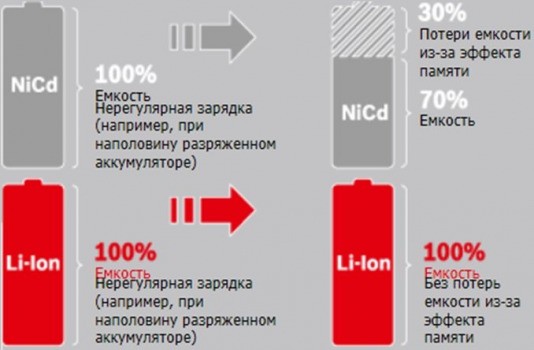
The idea of a battery memory effect is actually rooted in the technology of older Nickel-Cadmium (NiCd) batteries. These batteries, which were prevalent for a long time, did suffer from a phenomenon that was somewhat similar to a memory effect. With NiCd batteries, repeatedly charging them before they were fully discharged could actually lead to a reduction in their overall capacity. Think of it like this: if you consistently only used a portion of the battery’s capacity, it would «remember» that limited range and refuse to utilize the full potential of its cells. This wasn’t a true memory in the sense of a computer remembering data, but rather a chemical effect within the battery’s cells. The incomplete discharge cycles would essentially «train» the battery to only operate within that smaller range. This could lead to a noticeable decrease in battery life over time. This effect was particularly pronounced if you consistently charged the battery at a low state of charge. Imagine only using TWENTY percent of your battery’s capacity before plugging it in – that’s a recipe for this effect to take hold. The result? A battery that seemed to lose its punch, holding less and less charge over time.
Now, this is where things get interesting. Modern batteries, like Lithium-ion (Li-ion) batteries – the ones found in almost all our smartphones, laptops, and electric vehicles – don’t suffer from this same kind of memory effect. The chemical processes within Li-ion batteries are fundamentally different from those in NiCd batteries. While there are some minor effects related to charging habits that can impact long-term battery health, the drastic capacity reduction seen in NiCd batteries due to incomplete discharge cycles simply doesn’t happen with Li-ion. In fact, repeatedly draining your Li-ion battery to ZERO percent before recharging can actually be detrimental. It puts unnecessary stress on the battery cells, leading to faster degradation and a shorter lifespan.
So, what should you do to maximize the lifespan of your Li-ion battery? The best practice is to avoid both extremes. Don’t let your battery drain completely to ZERO percent, and avoid consistently charging it to ONE HUNDRED percent. Aim for a charging range somewhere between TWENTY and EIGHTY percent. This keeps the battery within its optimal operating range and minimizes stress on the cells. Regularly charging to ONE HUNDRED percent and then letting it drain completely is like constantly pushing your car to its absolute limits – it’s going to wear out much faster. Think of it as a marathon, not a sprint. Consistent, moderate use and charging will keep your battery healthy and performing at its best for much longer. And remember, those old wives’ tales about completely draining your battery? They’re largely outdated and don’t apply to the technology we use today.
So, you’ve heard about the battery memory effect, right? That myth that says you need to completely drain your battery before recharging it? Well, let’s dive into what actually causes this misconception and why it’s largely irrelevant for modern batteries.
The idea of a «memory effect» stems primarily from the older Nickel-Cadmium (NiCd) batteries. These batteries, common in the late TWENTIETH century, did suffer from a phenomenon that resembled memory. If you consistently only partially discharged them, the battery would essentially «remember» that lower voltage level and subsequently refuse to fully charge beyond that point. Think of it like this: if you consistently only used HALF of your battery’s capacity, it might start thinking that HALF is its new FULL capacity. This wasn’t a true memory in the sense of a computer remembering data, but rather a chemical effect within the battery’s cells. The repeated incomplete discharge cycles led to the formation of crystalline structures within the nickel-cadmium electrodes, hindering their ability to fully accept and release charge. This resulted in a reduced overall capacity over time. This effect was particularly pronounced if you repeatedly charged the battery after only using a small portion of its capacity. Imagine constantly topping off your gas tank before it gets even close to empty – it’s not the best practice for your car’s engine, and similarly, it wasn’t ideal for NiCd batteries. The more consistently you partially discharged and recharged, the more pronounced this effect became. It wasn’t a simple case of «remembering» the last discharge level, but rather a gradual degradation of the battery’s performance due to the chemical processes within the battery. This is why the term «memory effect» stuck, even though it’s a simplification of a complex chemical process.
Now, here’s the crucial part: modern Lithium-ion batteries, which power almost all of our smartphones, laptops, and electric vehicles, don’t suffer from this same memory effect. The chemical processes within Lithium-ion batteries are fundamentally different from those in NiCd batteries. While Lithium-ion batteries do degrade over time and with repeated charge cycles, this degradation isn’t directly linked to the depth of discharge in the same way as with NiCd batteries. There’s no «memory» involved. The degradation is a more gradual process related to the number of charge cycles, the temperature at which the battery operates, and the rate of charging and discharging. So, while you shouldn’t consistently fully drain your Lithium-ion battery (it’s generally better for longevity to keep it within a certain charge range, usually between TWENTY and EIGHTY percent), it won’t «remember» that lower capacity and refuse to charge fully. The idea that you need to completely drain your phone battery before charging it is a leftover from the days of NiCd batteries and is simply not applicable to modern technology.
Let’s look at some related news. There have been numerous articles and studies debunking the myth of the memory effect in Lithium-ion batteries. Many reputable tech websites and battery manufacturers have published information clarifying this misconception. You can easily find this information online by searching for «Lithium-ion battery memory effect myth.» These resources often highlight the differences between NiCd and Lithium-ion battery chemistry and explain why the memory effect is not a concern for modern batteries. The persistent belief in this myth, however, continues to circulate, often fueled by anecdotal evidence and outdated information. It’s important to rely on credible sources and scientific understanding to dispel these misconceptions. Understanding the actual causes of battery degradation in Lithium-ion batteries allows for better battery management practices and extends the lifespan of your devices.
- Читайте также: