So, you’re thinking about buying a used electric bicycle? That’s awesome! It’s a great way to save money and get yourself a fantastic mode of transportation. But buying used is different than buying new, and there are a lot of things to consider. Let’s dive into the nuances of buying a pre-owned e-bike.
First, you need to figure out what kind of e-bike you actually want. Think about your needs. Do you need something for commuting, off-road adventures, or just cruising around town? Different e-bikes are designed for different purposes. Consider the type of motor – mid-drive, hub-drive, etc. – and the battery capacity. Do you need a long-range battery, or will a shorter range suffice? Research different models and brands to get a feel for what’s out there and what fits your budget and riding style. Don’t just jump into the first deal you see; take your time to research and understand what’s available. Knowing what you want beforehand will save you a lot of headaches down the line.
Next, where are you going to find a used e-bike? Online marketplaces like Craigslist, Facebook Marketplace, and eBay are great starting points. Check local bike shops; some may take used bikes in trade or sell them on consignment. Online forums dedicated to electric bicycles are also excellent resources. People often sell their used e-bikes there, and you can get valuable insights from other owners. Don’t forget to check your local classifieds, too! You might find a hidden gem right in your neighborhood. Remember to always prioritize safety when meeting with sellers – meet in a public place during daylight hours.
Now, let’s talk about the crucial questions you should ask the seller. First, how old is the e-bike? Knowing the age gives you a better understanding of its potential wear and tear. Then, what’s the mileage? High mileage might indicate more wear on components. When was the last service? Regular servicing is essential for an e-bike’s longevity. Have any parts reached the end of their useful life and been replaced? This is vital; you want to know if major components like the battery or motor have been replaced or are nearing the end of their lifespan. What else has been replaced besides worn parts? This helps you understand the bike’s history and any potential issues. Why is the seller selling the e-bike? Understanding their motivation can sometimes reveal hidden problems. Has the bicycle been customized? Modifications can be good or bad, so understanding what’s been done is important. Finally, where can the e-bike be repaired? Knowing where you can get it serviced is crucial, especially if you’re not mechanically inclined.
Finally, let’s talk about checking the purchase itself. Before you hand over any money, thoroughly inspect the e-bike. Check the battery’s health – a low-capacity battery can be a costly repair. Test the motor and brakes to ensure they’re functioning correctly. Look for any signs of damage or wear and tear. Take it for a test ride if possible. Pay close attention to how it handles and feels. If something feels off, don’t hesitate to walk away. Remember, buying a used e-bike is an investment, so take your time and do your due diligence. A thorough inspection can save you from costly repairs or a lemon down the road.
Okay, so you’re thinking about buying a used electric bicycle? Smart move! They can be a fantastic deal, but there are definitely things you need to check before you hand over your hard-earned cash. Let’s dive into the specifics.
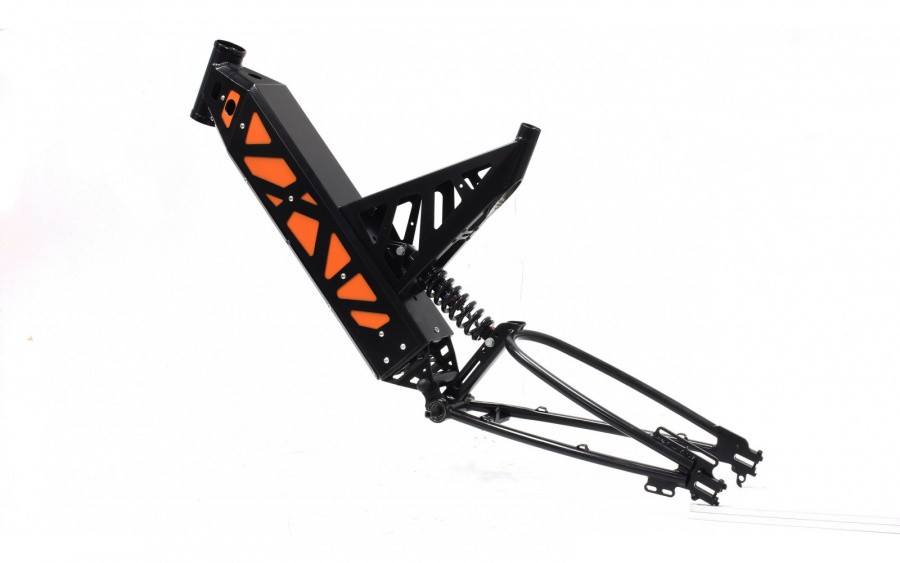
First, let’s talk about the frame. Give it a really good once-over. Look for any cracks, dents, or signs of previous repairs. Pay close attention to the welds – are they clean and strong? A poorly repaired frame is a recipe for disaster, especially when you’re adding the weight of a motor and battery. Also, check the overall geometry – does it feel comfortable to you? Think about your riding style and make sure the frame size is appropriate. Don’t be afraid to sit on it and get a feel for it. A comfortable frame is crucial for long-term enjoyment.
Next up: the powertrain and battery. This is the heart of your e-bike. Start by checking the battery’s health. Most e-bike batteries have a built-in indicator, but you should also ask the seller about its charge cycle history. A battery that’s been heavily used or improperly stored might have significantly reduced capacity. Look for any signs of damage or swelling on the battery pack itself – this is a serious issue and could be a fire hazard. While you’re at it, inspect the motor. Listen for any unusual noises when you rotate the wheel. A grinding or whining sound could indicate worn bearings or other internal problems. Also, check the wiring – are all the connections secure and undamaged? Loose or frayed wires are a safety hazard and can lead to malfunctions.
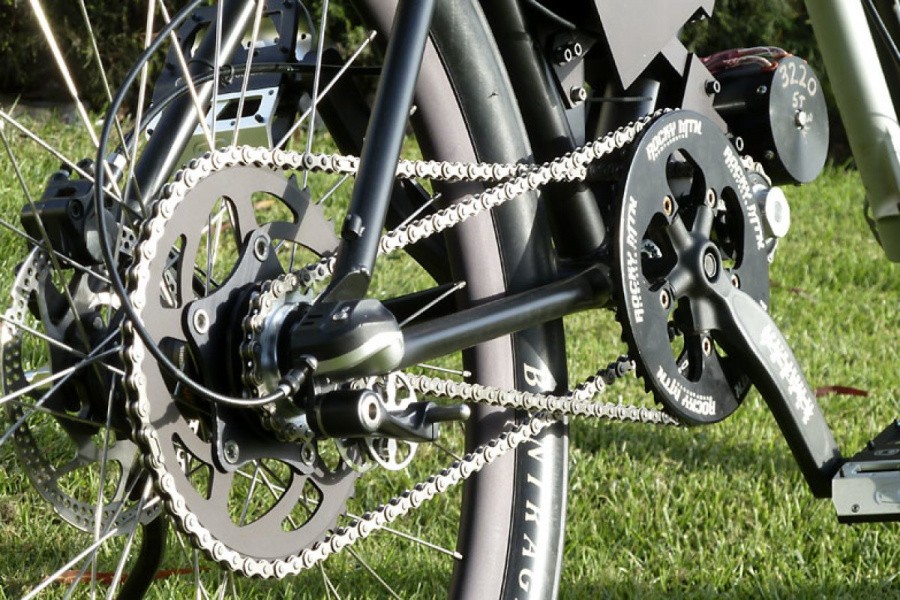
Now, let’s move on to the powertrain and sprockets. These components work together to transfer power from the motor to the wheels. Inspect the chain for wear and tear. A rusty or excessively stretched chain will need replacing soon, adding to your overall cost. Similarly, examine the sprockets on both the crankset and the rear wheel. Worn sprockets will cause poor shifting and reduced efficiency. Look for any signs of significant wear, like sharp teeth or deep grooves. If you see significant wear, it’s a good indication that the entire drivetrain might be nearing the end of its life.
- Читайте также:
The transmission and sprockets are closely related to the powertrain. Make sure the shifting mechanism is smooth and precise. Try shifting through all the gears – are they smooth and responsive, or do they feel clunky and hesitant? If the shifting is problematic, it could indicate worn cables, a faulty derailleur, or other issues that could be costly to repair. Again, pay close attention to the condition of the sprockets – they are a key part of the transmission system.
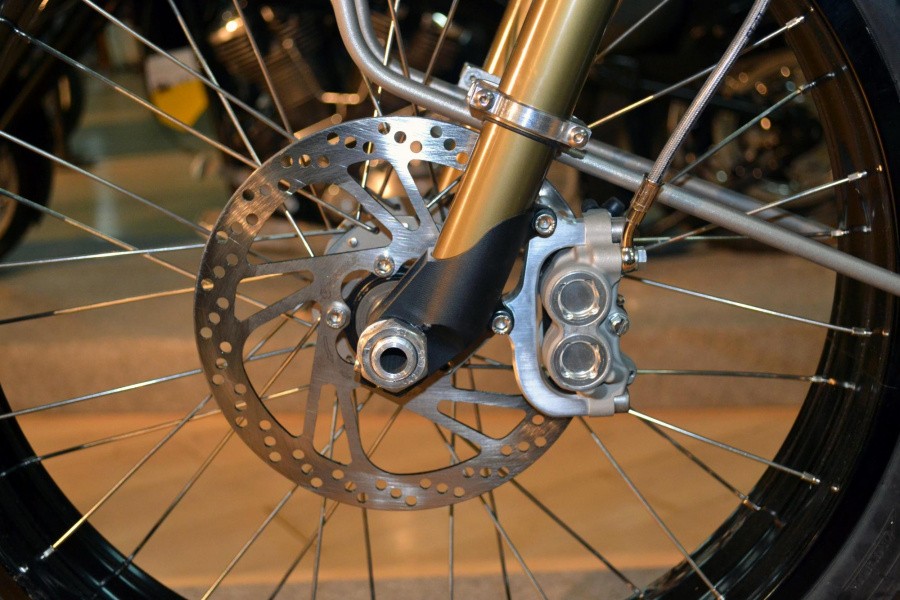
Let’s talk brakes. Your braking system is critical for safety. Check the brake pads for wear – are they sufficiently thick, or are they worn down to the metal? Test the brakes thoroughly during your test ride. They should be responsive and provide adequate stopping power. If you’re dealing with hydraulic disc brakes, check the levers for any sponginess or leaks. Sponginess indicates air in the lines, while leaks are a serious problem that requires immediate attention. For rim brakes, ensure the brake pads are properly aligned and make good contact with the rims.
Next, we’ll examine the wheels. Inspect the rims for any dents, cracks, or significant wear. Check the spokes for tightness – are they all securely fastened? Loose spokes can lead to wheel wobble and even wheel failure. Also, check the tires for wear and tear. Are the tires worn down to the wear bars? Are there any cuts or punctures? Worn or damaged tires compromise safety and handling.
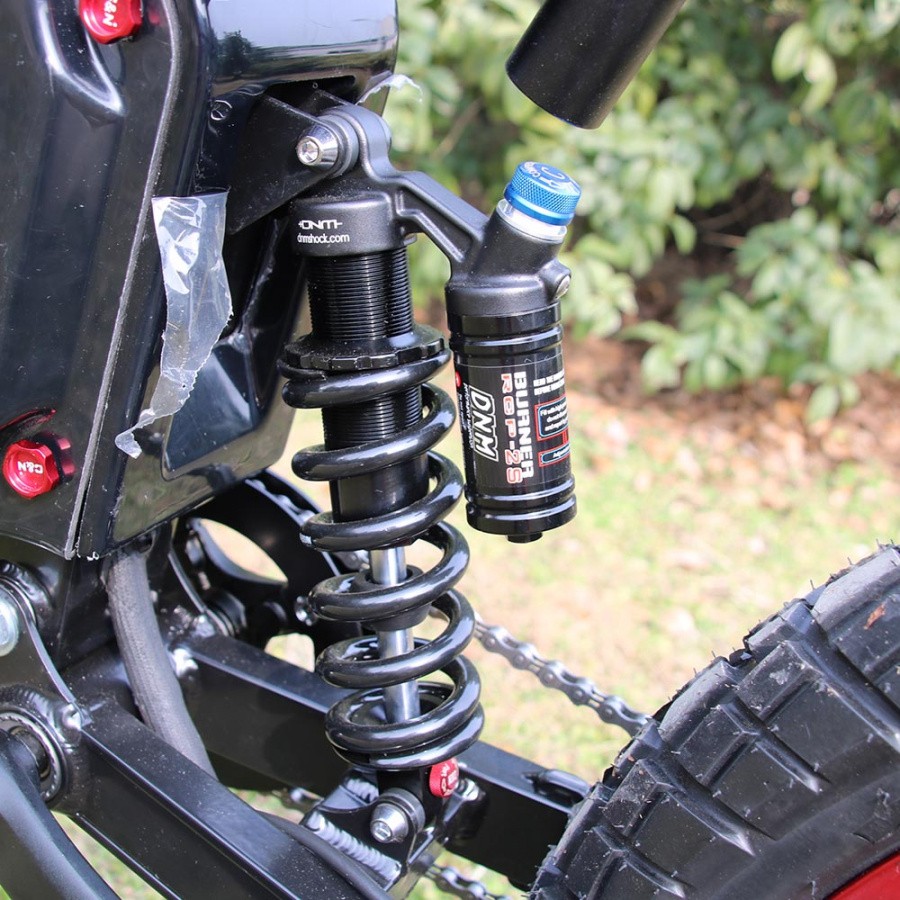
Now, let’s look at the suspension, if your e-bike has it. Check the suspension forks for any signs of damage or leaks. If the bike has rear suspension, inspect that as well. Test the suspension by bouncing on the bike – it should feel smooth and responsive, not stiff or clunky. If the suspension feels rough or makes unusual noises, it might need servicing or replacement.
If your e-bike has a hydraulic seatpost, check its functionality. Does it smoothly adjust to your desired height? Are there any leaks or signs of damage? A malfunctioning hydraulic seatpost can be a real nuisance and expensive to fix.
The test ride is absolutely crucial. Take the e-bike for a thorough test ride on various terrains. Pay close attention to how it handles, how the brakes perform, and how the motor responds. Listen for any unusual noises. This is your chance to identify any potential problems before you buy the bike. Don’t rush this part!
Finally, when you’re ready to finalize the deal, make sure you have a written agreement outlining the terms of the sale. This should include the price, the condition of the bike, and any warranties or guarantees the seller is providing. Don’t hesitate to negotiate the price, especially if you’ve identified any minor issues that need addressing.
And that’s it! By carefully inspecting these aspects, you’ll significantly increase your chances of buying a used electric bicycle that’s both reliable and enjoyable. Remember, thorough inspection is key to a successful purchase.







- Читайте также: